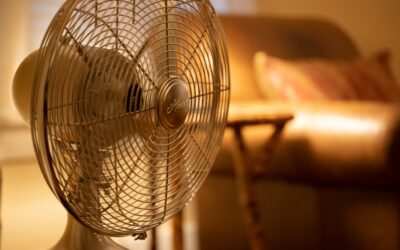
Finding a powerful fan for bedroom use is a balancing act between strong airflow and quiet operation, because the last thing you want is a fan that cools the room but keeps you awake with a loud hum. Strong cooling does not have to mean noise. The key is understanding airflow ratings, fan types, and the features that deliver a steady, comfortable breeze while letting you sleep soundly. A well-chosen fan can lower your reliance on air conditioning and cut energy bills along the way.
This guide explains how to measure fan power, compares the main fan types for bedrooms, and highlights the features worth paying for.
How Fan Power Is Measured
The most useful spec for judging a fan’s strength is CFM, or cubic feet per minute, which tells you how much air the fan moves. A higher CFM means more airflow. For a bedroom, a fan in the range of roughly 2,000 to 5,000 CFM provides strong cooling, while large ceiling fans can move far more. Do not rely on size alone; blade design and motor quality matter as much as diameter.
Also check the number of speed settings. A powerful fan with a low, quiet setting gives you flexibility to crank it up on hot afternoons and dial it down for sleep.
Types of Powerful Bedroom Fans
Different fan styles offer different blends of power, noise, and convenience. Match the type to your room and sleeping habits.
- Tower fans: Slim and space-saving with oscillation; many offer strong airflow and quiet sleep modes.
- Pedestal fans: Tall, adjustable, and often the most powerful portable option for moving a lot of air.
- Ceiling fans: The most effective for whole-room circulation; a high-CFM model cools the entire space.
- High-velocity floor fans: Extremely powerful but louder, better for cooling down a hot room quickly than for all-night use.
- Bladeless fans: Quieter and safer around kids, though typically less powerful than traditional designs.
Balancing Power and Noise
The biggest mistake bedroom shoppers make is buying a fan rated only for airflow without checking its noise level, measured in decibels. A fan around 40 to 50 decibels on a low setting produces a gentle white noise many sleepers find soothing, while anything much louder can disrupt rest. Look for models that advertise a dedicated sleep or whisper mode, which delivers a quieter breeze overnight.
Brushless DC motors are worth seeking out because they run quieter and use less electricity than older AC motors while still moving plenty of air.
Features Worth Paying For
The right features turn a basic fan into a comfortable, convenient sleep aid. Prioritize these when comparing models.
- Oscillation: Spreads airflow across the room instead of blasting one spot.
- Remote control: Adjust speed and settings without leaving bed.
- Timer: Shuts the fan off after a set period so it does not run all night.
- Multiple speeds: More settings let you fine-tune the breeze.
- Adjustable height or tilt: Directs air exactly where you want it.
Sizing the Fan to Your Room
A small fan in a large bedroom will struggle no matter how it is rated. For rooms up to about 150 square feet, a quality tower or pedestal fan usually suffices. Larger bedrooms benefit from a high-CFM pedestal fan or a properly sized ceiling fan, which experts generally recommend at 44 to 52 inches in diameter for a standard bedroom. Matching fan capacity to room size ensures even, effective cooling.
If you have a ceiling fan, set it to spin counterclockwise in summer to push cool air down, and pair it with a portable fan on the hottest nights for a noticeable boost.
Placement for Maximum Cooling
Where you put a fan matters almost as much as how powerful it is. A strong fan in the wrong spot wastes its airflow, while smart placement makes even a moderate fan feel more effective.
- Position a fan near a window at night to pull in cooler outdoor air
- Aim airflow across the bed rather than directly at your face, which can dry out your eyes and throat
- Create cross-ventilation by placing one fan to draw air in and using an open window or door on the opposite side
- Keep the fan path clear of furniture and curtains that block circulation
- Elevate a floor fan slightly so it moves air across the room rather than along the floor
Safety and Maintenance
A powerful fan running for hours deserves a little routine care to stay safe and effective. Dust builds up on blades and grilles over time, which strains the motor and reduces airflow, so wipe or vacuum the fan periodically. Check that cords are in good shape and never run a fan with a frayed cord. For households with young children or pets, a tower or bladeless design reduces the risk of curious fingers reaching moving blades.
Store seasonal fans clean and covered so they are ready to perform when the next heat wave arrives. A well-maintained fan lasts years and runs quieter than a neglected, dust-clogged one.
Energy Efficiency and Running Costs
Fans are far cheaper to run than air conditioning, and a powerful, efficient model can reduce how often you reach for the thermostat. DC-motor fans sip electricity while moving impressive amounts of air, so the slightly higher purchase price pays back over a long, hot summer. Running a fan to circulate cooled air also lets you raise the AC setpoint a few degrees without feeling warmer.
The Bottom Line
A powerful fan for the bedroom should move plenty of air, measured in CFM, while staying quiet enough for sleep, measured in decibels. Look for a strong yet whisper-quiet model with oscillation, a remote, a timer, and an efficient DC motor, sized correctly for your room. Get the balance right and you will enjoy cooler, more restful nights with lower energy bills all season long.
When comparing models, do not be swayed by airflow ratings alone. A fan that moves impressive amounts of air is useless in a bedroom if it roars at full speed, so prioritize a quiet low setting and a dedicated sleep mode. Read the noise rating in decibels, check whether the motor is DC or AC, and confirm the fan offers enough speed steps to dial in the perfect breeze. Pair the right fan with smart placement near a window and you can often delay turning on the air conditioning until the hottest stretches of summer, saving money while sleeping comfortably.