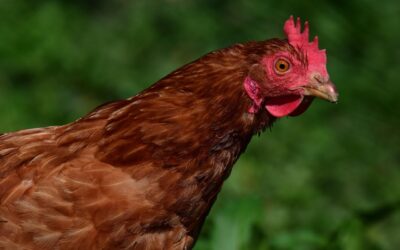
Chicken wire keeps chickens in. It does not keep raccoons, foxes or dogs out, and that single mix-up is behind most backyard flock losses. A predator proof chicken run treats every surface as a way in: the ground for diggers, the walls for climbers and chewers, the top for hawks and owls, and the door for clever paws that can work a simple hook.
Part of our Roofing guide — explore the full guide →
The short answer is 1/2 inch welded hardware cloth on every wall, a 12 to 24 inch apron or buried skirt along the base, a solid or fully meshed roof, and latches that take two separate motions to open. Close every gap wider than 1/2 inch. Build to that standard once and you stop patching holes every season.
- What Makes a Predator Proof Chicken Run
- Choosing Mesh: Hardware Cloth Gauge and Openings
- Stopping Diggers: Aprons vs Buried Skirts
- Covering the Roof
- Framing, Doors and Latches
- Step-by-Step Build Outline
- Bear Proof Chicken Coop Considerations
- Troubleshooting and Cost Ranges
- Frequently Asked Questions
The focus here is the enclosure itself: mesh, framing, base, roof and doors. Ground cover inside the run and chicken-wire garden fencing are separate projects with different goals.
What Makes a Predator Proof Chicken Run
Predators fall into four groups, and each one tests a different part of the build.
- Diggers: foxes, dogs, coyotes, skunks and badgers tunnel under walls. Your defense is at ground level.
- Climbers and reachers: raccoons, opossums, cats and weasels climb mesh, reach through openings and squeeze through small gaps. Weasels and mink can fit through a 1 inch hole.
- Aerial predators: hawks, owls and eagles come from above, so an open-topped run is exposed all day.
- Large animals: in bear country, a standard run is not enough, and you need extra measures such as electric fencing and tighter feed storage.
An enclosed chicken run handles all four with a continuous shell. Think of it like a screened porch with no weak panel: mesh on the sides, protection under the edges and a roof overhead, all tied into a sturdy frame.
Choosing Mesh: Hardware Cloth Gauge and Openings
Hardware cloth is welded wire mesh, far stronger than twisted hexagonal chicken wire. Two numbers matter: opening size and wire gauge. Smaller gauge numbers mean thicker wire.
- 1/2 inch openings, 19 gauge: the common backyard standard. Stops raccoon paws and most weasels. Good for walls and roofs on small to medium runs.
- 1/2 inch openings, 16 or 17 gauge: heavier and more bite-resistant. Worth the extra cost in areas with persistent raccoons or dogs.
- 1/4 inch openings: stops mice, rats and snakes. Use it for the bottom 2 feet of the walls or around coop vents if rodents are a problem.
- 1 inch or larger welded wire: fine for the upper walls of a big run only if you accept some risk from weasels. Not recommended as the only barrier.
Choose galvanized-after-welding mesh when you can. It resists rust at the welds, which is where cheaper mesh fails first. Buy rolls long enough to cover each wall without many seams, and overlap seams at least 6 inches. A heavy-duty hardware cloth roll is the single most important material in the project.
Fastening mesh so it stays put
Staples alone pull out when a raccoon hangs its weight on the wall. Fasten mesh with 1 inch screws and fender washers every 6 to 8 inches along every post and rail, then cover the edges with furring strips or trim boards. The strips pinch the mesh tight and hide sharp cut ends.
Stopping Diggers: Aprons vs Buried Skirts
You have two ways to guard the base. Both work; the right one depends on your soil and how much digging you want to do.
Buried skirt
Dig a trench 12 to 18 inches deep along the perimeter and extend the wall mesh straight down, or bend it outward in an L at the bottom. Backfill and tamp. This looks clean and keeps the mesh out of the way of mowing, but trenching rocky or root-filled soil is slow work.
Surface or shallow apron
Lay a 12 to 24 inch strip of hardware cloth flat on the ground, running outward from the base of the wall, and fasten it to the bottom rail. Pin it with landscape staples every foot, then cover it with a couple of inches of soil, gravel or pavers. A digging animal walks up to the wall, starts to dig and hits mesh. Most give up rather than back off 2 feet and start again. Grass grows through in a season and hides it.
Before you dig any trench or drive long stakes, call 811 or submit an online request a few business days ahead so utility lines get marked. Shallow aprons still require some soil work, and buried cable or gas lines in a backyard are more common than people expect.
Covering the Roof
An open top invites hawks by day and lets raccoons climb over the walls at night. Every predator resistant chicken run enclosure needs a cover.
- Hardware cloth roof: the strongest option. Support it with rafters or purlins every 2 to 3 feet so it does not sag. Mesh roofs can collect heavy wet snow, so either brush it off or plan for a sloped solid section in snowy climates.
- Solid roof: corrugated metal or polycarbonate panels on a sloped frame keep the run dry, shade the birds and shed snow. Use solid roofing over at least part of the run.
- Aviary netting: stops hawks but not raccoons. Only use it on very large runs where the walls are already tall and climb-resistant.
Design the roof for your local snow and wind loads. Span tables for lumber apply, and a long flat mesh roof can fail under a heavy storm.
Framing, Doors and Latches
The frame is what holds a predator proof chicken run together. Use pressure-treated 4×4 posts for corners and every 6 to 8 feet, set in concrete or tamped gravel at least 2 feet deep. Top and bottom rails of 2×4 lumber give you something solid for fastening mesh. Wobbly walls flex, and flexing mesh opens gaps at the edges.
Gap sizes
Walk the run after it is built and look for any opening wider than 1/2 inch. Common trouble spots are the gap under the door, the joint where the run meets the coop, corners where mesh edges meet and roof-to-wall transitions. Fill them with mesh, trim boards or a door sweep.
Latch types
Raccoons can open hook-and-eye latches and simple sliding bolts. Use two-step closures:
- A spring-loaded carabiner clipped through a hasp
- A barrel bolt with a padlock or clip through the handle
- A gate latch plus a secondary bolt at the bottom of the door
Install the door so it swings inward or closes against a stop on all four sides, so nothing can pry the bottom corner.
Step-by-Step Build Outline
Tools and materials
- Pressure-treated 4×4 posts and 2×4 rails
- 1/2 inch galvanized hardware cloth, plus 1/4 inch for the lower band if needed
- Exterior screws, fender washers, furring strips
- Roofing panels or extra mesh with rafters
- Post hole digger, level, circular saw, drill, tin snips
- Heavy gloves and eye protection for cutting wire
- Check zoning setbacks, HOA rules and any permit needs for accessory structures. Many towns limit how close a run can sit to property lines.
- Call 811 and wait for utility marks.
- Lay out the footprint, set corner posts, then intermediate posts, all plumb.
- Add top and bottom rails and roof framing.
- Wrap the walls with hardware cloth, fastening with screws and washers, then add furring strips over the edges.
- Install the apron or buried skirt around the full perimeter.
- Add the roof, then hang the door with two-step latches.
- Inspect every seam and corner for gaps.
Wear gloves and eye protection when cutting mesh; cut ends are sharp. Wash your hands with soap and water after handling birds, bedding or anything from inside the run.
Bear Proof Chicken Coop Considerations
No mesh run stops a determined bear. In bear country, owners usually add a properly grounded electric fence around the coop and run, installed per the charger maker’s instructions and any local wildlife rules. Store feed in sealed metal containers inside a locked building, and collect eggs daily so there is less to attract visitors. Check with your state wildlife agency, since some areas offer guidance or cost-share programs for bear fencing.
Troubleshooting and Cost Ranges
- Tunnels at the edge: the apron is too narrow or has lifted. Widen it to 24 inches and pin it more often.
- Mesh pulled loose: staples failed. Refasten with screws and washers under furring strips.
- Missing birds, no visible hole: look for a gap at the coop connection or under the door, or an unlatched door.
- Sagging roof: add purlins or switch part of it to solid panels.
A small run of around 50 to 100 square feet usually costs a few hundred dollars in lumber and hardware cloth when you build it yourself. Heavier-gauge mesh, solid roofing and a full buried skirt push that higher. Hiring a builder often doubles or triples the total. Considering what one raccoon visit costs a flock, the heavier materials usually pay for themselves.
Frequently Asked Questions
Is chicken wire strong enough for a predator proof run?
No. Chicken wire is thin twisted mesh that raccoons and dogs can tear or reach through. Use 1/2 inch welded hardware cloth for walls and roof.
How deep should I bury hardware cloth around a chicken run?
Bury it 12 to 18 inches, or skip the trench and lay a 12 to 24 inch apron flat on the ground outward from the wall. Call 811 before digging either way.
Does a chicken run need a roof?
Yes, if you want it to stop hawks, owls and climbing raccoons. Use hardware cloth or solid panels on a frame sized for your snow and wind loads.
What latch keeps raccoons out?
Any closure that takes two separate motions, such as a barrel bolt with a clip or a hasp with a spring-loaded carabiner. Avoid simple hooks.
What gap size can predators fit through?
Weasels and mink can get through roughly 1 inch openings, so close any gap wider than 1/2 inch around doors, corners and the coop joint.