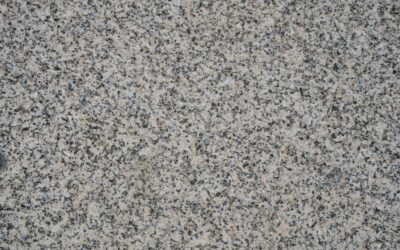
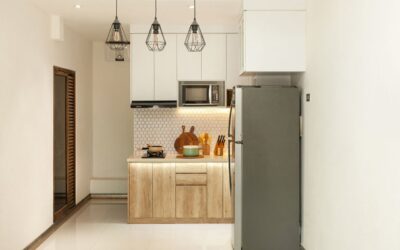
There are two ways to buy a quartz counter: have a fabricator template your kitchen and cut a full slab to order, or buy prefab quartz countertops — factory pre-cut pieces in standard counter sizes, edges already polished, ready to drop, cut to length, and install. Prefab is how much of the West Coast remodels kitchens, how flippers hit budgets, and how a lot of homeowners save 30 to 50 percent without giving up real stone-quality surfaces. It is also how people end up with an extra seam in the wrong place or an overhang that does not fit. Here is exactly where prefab wins, where custom is worth every dollar, and the numbers to run before you decide.
Part of our Countertops guide — explore the full guide →
What “Prefab” Actually Means
Prefab quartz pieces are manufactured overseas (mostly China, Vietnam, and India) in finished countertop blanks rather than raw slabs. Typical inventory at a stone yard or import warehouse:
- Counter runs: 96 or 108 inches × 25.5 or 26 inches, with the front edge and often both short ends pre-polished, usually with an eased or bullnose profile. Most are 2 cm thick with a laminated (doubled) front edge that mimics a 3 cm look.
- Island blanks: 96–108 × 36–42 inches, edges finished on multiple sides.
- Bar tops: 96 × 12–18 inches.
- Vanity tops: 25–61 inches wide, often with the sink hole pre-cut and a matching backsplash strip.
The installer’s job shrinks to cutting pieces to length, cutting the sink and faucet holes, seaming where runs meet, and setting — no slab templating, no edge profiling, no CNC time. That is where the savings come from.
The Cost Math: Prefab vs. Custom Slab
| Item | Prefab quartz | Custom slab quartz |
|---|---|---|
| Material, typical | $250–$600 per 8–9 ft piece ($12–$28/sq ft) | $600–$1,800+ per slab ($25–$60/sq ft) |
| Fabrication | Minimal — cuts and holes on site or in shop | Full templating, CNC edging, polishing |
| Installed, typical range | $30–$60/sq ft | $55–$125/sq ft |
| 40 sq ft kitchen, installed | $1,400–$2,600 | $2,500–$5,000 |
| Typical timeline | Days — stock on hand | 2–4 weeks after template |
Real numbers from recent jobs: a straightforward L-shaped kitchen (two runs, one seam, undermount sink) came in at $1,900 installed with prefab pieces in a marble-look white; the same layout quoted $3,800–$4,400 in comparable custom-fabricated name-brand quartz. For rental units and flips, prefab vanities at $150–$350 with the bowl hole already cut are almost unbeatable.
The Pros
- Price. 30–50 percent under custom for the same non-porous, zero-maintenance quartz performance. The material chemistry is the same category of product — ~90 percent quartz aggregate in resin.
- Speed. Stock sits in the warehouse; a simple kitchen can template Monday and install Wednesday. Custom shops run weeks out.
- Finished edges done by machine. Factory-polished edges are consistent — often cleaner than a rushed shop’s hand-finished profile on a budget custom job.
- Great fit for standard layouts. Galley runs, L-kitchens with modest islands, bathroom vanities, laundry rooms, rental refreshes — the standard sizes were designed around exactly these.
- DIY-adjacent. A capable DIYer with a diamond blade, a polisher, and patience can install prefab; full custom slab work is not realistically DIY.
The Cons — Read These Twice
- Seams where custom would not have them. Pieces max out around 108 inches; longer runs and big L-corners mean seams, and prefab seams land where the stock sizes dictate, not where a templater would hide them. Ask exactly where every seam will fall before you sign.
- Limited depth. Standard 25.5–26 inch depth fits standard cabinets with a modest overhang — but deep cabinets, appliance garages, or a 12-inch island seating overhang can exceed the blank. Islands beyond about 42 inches wide need custom.
- Thinner stock, laminated edges. Most prefab is 2 cm with a doubled front edge. It looks like 3 cm from the front, but you can spot the lamination line up close, and unsupported spans need more care (plywood underlayment or added supports).
- Limited palette and pattern. Warehouse stock skews to safe best-sellers — whites, marble-looks, grays. Bold veining that flows across a seam, bookmatching, or a specific designer brand means custom. Dye-lot variation between pieces bought months apart is real; buy all pieces at once from the same lot.
- Brand and warranty opacity. Prefab is largely unbranded import product. Quality is generally fine, but resin quality and UV stability vary, and there is rarely a 15-year transferable warranty behind it like Cambria or Caesarstone offer. Buy from a yard that stands behind its stock.
- Edge profile choices are fixed. You get the profile the factory ran — usually eased, bullnose, or ogee. A custom mitered waterfall edge is not on this menu without paying custom money anyway.
Quality Checks Before You Buy
- Inspect every piece in person — sight down the surface in raking light for warp, check corners for shipping chips, and compare pattern and tone across all pieces you are buying together.
- Verify thickness and lamination. Confirm 2 cm vs 3 cm and look at the edge seam quality on the lamination — sloppy glue lines telegraph the budget origin.
- Ask the resin question: will it see sun? Most prefab (like most quartz generally) is not UV-stable — keep it off sunrooms and outdoor kitchens.
- Confirm sink compatibility. Pre-cut vanity holes fit standard bowls; kitchen sink cutouts should be cut to your actual sink template, not eyeballed.
- Get the seam plan in writing, including whether seams are shop-made (better) or site-made, and what epoxy color-matching is included.
Who Should Buy Prefab — Decision Guide
- Prefab is the smart money: rentals, flips, and budget remodels; standard-depth kitchens under ~9 ft runs; bathroom vanities (honestly the best value in the category); laundry and utility rooms; DIYers with stone-cutting confidence.
- Go custom: islands over 42 inches or seating overhangs; kitchens where a seam would land mid-sink-run or in a focal area; veined patterns that must flow; waterfall edges and full-height matching backsplashes; brand-warranty buyers; anything outdoors (and then porcelain, not quartz).
- A smart hybrid play: prefab on the perimeter, one custom piece for the island. You concentrate the custom dollars on the showpiece and save hundreds on the runs nobody scrutinizes.
Where to Shop for Prefab
Availability varies hugely by region. West Coast metros have dedicated prefab warehouses with hundreds of pieces on racks — walk in, tag your pieces, arrange install. Elsewhere, look to granite-and-quartz import yards (most stock a prefab aisle even if they lead with slabs), big-box special-order programs for vanity tops, and online sellers who freight-ship blanks. Pricing tells you what you are looking at: a 108 x 26 prefab run in a plain white should sit in the $300–$500 range; much cheaper suggests thin 1.5 cm stock or seconds with defects, and much pricier means you have wandered back into slab territory. Bring your cabinet drawing, buy every piece from one lot, and take delivery carefully — quartz blanks survive trucks well but die on careless tailgates.
Installation Notes That Protect Your Savings
Prefab’s economics collapse if the install is sloppy, so hold the line on three things. First, cabinets must be dead level — 2 cm stock is less forgiving of humps than 3 cm custom, and shimming after the fact cracks seams. Second, seams deserve professional treatment: color-matched epoxy, seam-setter clamps, and a finished width under 1/16 inch; a bad seam is the one place a $2,000 kitchen announces its price. Third, support any span over the dishwasher and all overhangs past 6 inches (2 cm) or 10 inches (laminated) with steel or corbels. Get those right and the finished kitchen is functionally identical to one costing twice as much.
Bottom line from the field: prefab quartz is one of the few genuine bargains left in remodeling — the same wipe-and-forget surface as custom quartz at rental-grade prices — provided your layout fits the standard sizes and you police the seams. Measure your runs, map where the joints must fall, inspect the actual pieces, and spend the savings where prefab cannot reach: a better sink, better faucet, or that custom island top in the middle of your bargain kitchen.