For weekend tilers and busy pros alike, premixed tile adhesive promises to take the mess and guesswork out of setting tile. It arrives in a bucket ready to spread, with no powder to measure, no water to add, and no risk of mixing a batch too wet or too dry. That convenience is real, but premixed adhesive is not the right choice for every job. Knowing where it excels, where it falls short, and how to apply it properly will help you get a flat, durable tile surface without wasted product or callbacks.
Part of our Tile & Grout guide — explore the full guide →
What Premixed Tile Adhesive Is
Premixed tile adhesive, often labeled mastic or ready-mixed thinset, is an organic or acrylic-based paste sold in tubs from a quart up to several gallons. Unlike traditional thinset mortar, which is a cement powder you mix with water on site, premixed adhesive is fully blended at the factory and cures by drying and air exposure rather than by a chemical cement reaction. Open the lid, stir, and spread. That single difference shapes everything about how it behaves, where it works, and how thick a tile it can support.
The Big Advantages
There is a reason homeowners reach for the bucket:
- No mixing: Skip the drill, paddle, and measuring. Just stir and go.
- Long working time: The tub reseals, so leftover adhesive keeps for future jobs instead of hardening in an hour.
- Consistent texture: Every scoop is the same, eliminating batch-to-batch variation.
- Grab and hold: Many premixed adhesives are sticky enough to hold wall tile without sagging.
- Clean and beginner friendly: Less dust, less waste, and a gentler learning curve for first-time tilers.
The Limitations You Must Respect
Convenience comes with real trade-offs, and ignoring them causes failures. Because premixed adhesive dries through evaporation, it needs air to cure. That makes it a poor choice for large-format tiles, thick tiles, or dense porcelain and glass that trap moisture and prevent the center of the adhesive bed from ever drying. It is also not fully waterproof. In constantly wet areas like shower floors and pans, trapped water can re-emulsify the adhesive and loosen tiles. As a rule, use premixed adhesive for smaller tiles in dry or occasionally damp areas, and switch to cement thinset for floors, wet zones, and anything large or heavy.
Premixed Adhesive vs. Thinset Mortar
Here is the quick comparison every tiler should keep in mind:
- Best for premixed: ceramic wall tile, backsplashes, small mosaics, dry areas, tiles under roughly 8 by 8 inches.
- Best for thinset: floor tile, large-format tile, porcelain, glass, showers, exterior work, and any high-moisture setting.
- Cost: premixed usually costs more per square foot but saves time and waste on small jobs.
- Cure method: premixed dries by air; thinset cures by chemical reaction and works even when sealed under dense tile.
Always read the tub label for the maximum tile size the manufacturer approves. That number is your guardrail.
How to Apply Premixed Tile Adhesive
Proper technique matters just as much as product choice:
- Make sure the substrate is clean, dry, flat, and firm. Loose or dusty surfaces ruin the bond.
- Stir the adhesive to an even consistency before spreading.
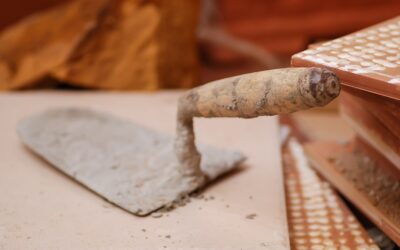
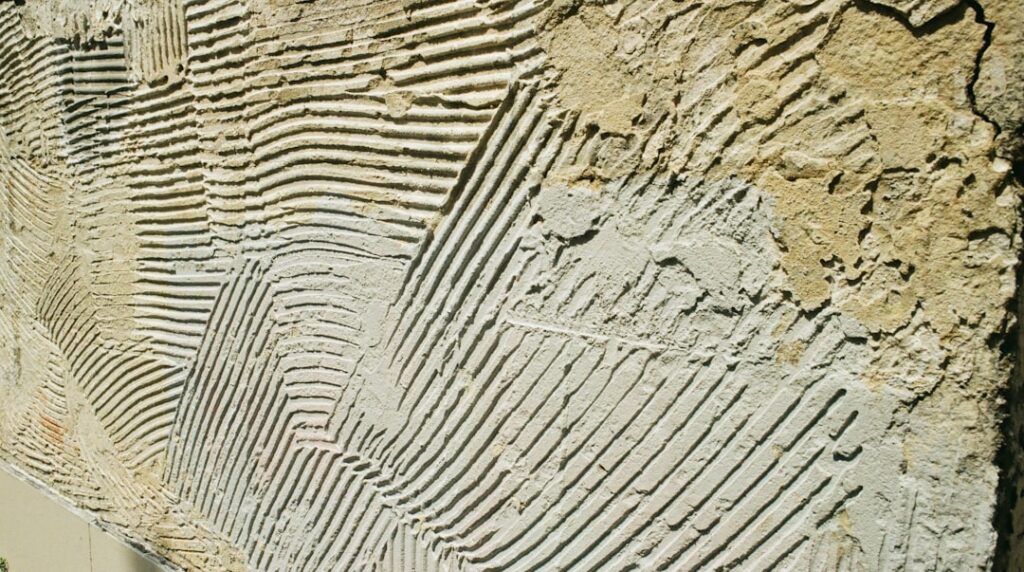
- Spread a thin layer with the flat side of a notched trowel, then comb it with the notched side held at about 45 degrees to create even ridges.
- Work in small sections so the adhesive does not skin over before you set tile.
- Press each tile firmly with a slight twist to collapse the ridges and maximize contact.
- Use spacers for consistent joints and check for lippage as you go.
- Do not grout until the adhesive has fully dried, which can take 24 to 48 hours or longer with larger tiles.
Coverage and Cost
A gallon of premixed tile adhesive typically covers roughly 30 to 50 square feet with a small notched trowel, though thicker trowels and larger notches use it up faster. Expect to pay about 20 to 40 dollars per gallon depending on brand and quality, with smaller quart tubs available for repairs and touch-ups. For a standard kitchen backsplash of 30 to 40 square feet, a single gallon is usually plenty. Buy a little extra for future repairs, since a sealed tub stores well for months.
Common Mistakes to Avoid
A few errors account for most premixed adhesive failures:
- Using it on floors or large tile: the adhesive never cures in the middle and the tiles eventually loosen.
- Applying it too thick: a heavy bed of premixed adhesive will not dry properly and can crack.
- Grouting too soon: trapping moisture underneath weakens the bond and can discolor grout.
- Ignoring the wet-area limits: shower floors and pans need thinset and waterproofing, not mastic.
- Letting the surface glaze over: if the combed adhesive skins before you set tile, scrape and recomb it.
Storage and Cleanup
One quiet perk of premixed tile adhesive is how easy it is to live with. Wipe smears off tile faces with a damp sponge while the adhesive is still wet, since cured mastic is far harder to remove. When you finish, scrape leftover adhesive back into the tub, smooth the surface, and press plastic wrap directly onto it before sealing the lid to keep a skin from forming. Stored in a cool spot away from freezing, a resealed tub often stays usable for six months to a year, ready for the next small repair.
Choosing the Right Premixed Adhesive
Not all buckets on the shelf are the same, and matching the product to your project prevents disappointment. Premixed adhesives are graded for different uses, so read the label carefully for the maximum recommended tile size, the approved substrates, and whether the formula is rated for intermittent moisture. Some are labeled specifically for backsplashes and walls, while others tolerate light floor use in dry areas. A higher-grab, non-sag formula is worth choosing for wall tile because it holds pieces in place while you work, whereas a general-purpose paste may let heavier tiles slide.
Also consider the substrate you are tiling over. Premixed adhesive bonds well to cement board, properly prepared drywall in dry areas, and existing sound tile, but it is not a fix for flexing plywood or damp surfaces. When in doubt, a quick call to the manufacturer’s support line or a careful read of the technical data sheet clears up whether your combination of tile and surface is approved. Keep these selection points in mind as you shop:
- Tile size rating: confirm your tile falls within the product’s maximum listed dimensions.
- Location: choose a dry-area formula for backsplashes and a different approach entirely for wet zones.
- Grab strength: pick a non-sag, high-grab paste for vertical wall installations.
- Substrate: verify the adhesive is approved for the surface you are tiling.
- Color: use a white adhesive under glass or translucent tile so it does not show through.
Taking a minute to match these details to your job is the difference between a bond that lasts for decades and one that loosens within a season.
The Bottom Line
Premixed tile adhesive is a genuine time-saver for the right jobs. On a ceramic backsplash, a small mosaic accent, or dry-area wall tile, it delivers a strong, sag-free bond with none of the dust and mixing that thinset demands. The catch is discipline: keep it out of showers, off floors, and away from large or dense tiles, and always honor the tile-size limit printed on the tub. Match the adhesive to the tile and the location, apply it with a properly notched trowel, and give it time to dry, and your tile will stay put for the long haul.
Prefer to explore on your own?
See how new flooring looks in your actual room in seconds — free, no signup.
Try the free Floor Studio →