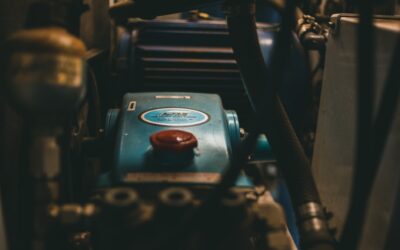
You pull the trigger, the engine runs, water comes out the nozzle, but the spray feels like a garden hose. A pressure washer not building pressure is the most common service call any small engine shop sees, and the underlying cause is almost always one of six issues that you can diagnose in 15 minutes with no special tools. The catch is that the symptoms overlap, and most homeowners replace the wrong part first because they did not isolate the problem systematically. Walk through the checks in order, find the actual cause, and you save a $200 service visit on a fix that often costs $5.
Understand What “Pressure” Means
A pressure washer rated at 2,800 PSI does not automatically deliver 2,800 PSI at the nozzle. The actual output pressure depends on water inlet flow, nozzle size, pump condition, and unloader valve setting. Manufacturer ratings represent peak performance under ideal lab conditions, so the real-world delivery is typically 80 to 90 percent of the spec sheet number even on a brand new unit.
If your washer was always weak from the day you bought it, the issue is likely undersized water inlet flow or the wrong nozzle. If it used to work fine and recently lost power, the issue is almost always inside the pump or in a worn component downstream of it.
The Six Common Causes
Start with the most likely cause and work down. Five of these six issues require zero tools and 5 to 10 minutes of inspection.
- Inadequate water supply at the inlet.
- Clogged inlet screen filter.
- Air trapped in the pump.
- Worn or wrong nozzle.
- Failed unloader valve.
- Damaged pump seals or valves.
The first four cover roughly 85 percent of real-world cases. Diagnose them before you crack the pump apart.
Check the Water Supply First
A pressure washer pump cannot create water out of nothing. It needs a steady supply of at least the gallons per minute the unit is rated for. A 2,800 PSI unit typically needs 2.3 to 2.5 GPM at the inlet. A typical residential outdoor spigot delivers 6 to 12 GPM with a 5/8-inch hose, which should be more than enough. But undersized or kinked supply hoses, partially closed valves, or a long extension hose with a small inner diameter can choke the flow.
Test by removing the supply hose from the pressure washer inlet and timing how long it takes to fill a 5-gallon bucket. If filling takes more than 60 seconds, the supply flow is the bottleneck. Switch to a 5/8-inch or larger garden hose, open the spigot fully, and shorten the hose run to under 50 feet if possible.
Inspect the Inlet Screen
Almost every consumer pressure washer has a small mesh screen filter inside the water inlet fitting. It traps sand, rust, and debris before it enters the pump. The screen clogs faster than most homeowners expect, especially if your water source is well water or a municipal line with old galvanized pipes.
Disconnect the supply hose, unscrew the inlet fitting, and pull out the screen with needle-nose pliers. Rinse it under a faucet and inspect for damage. If it is torn or missing, replace it. A new inlet screen costs about $3 at any pressure washer dealer. A clogged screen alone causes about 30 percent of low-pressure complaints.
Purge Air From the Pump
A pump primed with air rather than water will cycle the unloader valve and feel weak at the wand. Pumps that have been sitting empty over winter or recently moved can have air trapped in the cylinders.
To purge, connect the water supply, open the spigot fully, and pull the trigger on the wand without starting the engine. Hold the trigger open for 30 to 45 seconds until water flows steadily from the nozzle with no air pulses. Release the trigger, start the engine, and check the pressure. If the engine starts smoothly and pressure builds within 10 seconds, the air purge was the fix.
Verify Nozzle Condition and Size
A worn nozzle is the most overlooked cause of low pressure on older units. The small orifice at the tip of the nozzle erodes over time, and a nozzle worn out of spec drops pressure by 20 to 40 percent without any visible damage. Most pressure washers use color-coded quick-connect nozzles in five common sizes.
- Red (0 degrees): Concentrated jet, highest pressure on a tight spot.
- Yellow (15 degrees): General cleaning of hard surfaces.
- Green (25 degrees): Most common all-purpose nozzle.
- White (40 degrees): Wide fan for siding and vehicles.
- Black (65 degrees): Low-pressure soap application.
The black soap nozzle is intentionally low pressure. If a black tip is mistakenly mounted when you expect cleaning power, the unit will feel broken even though everything is working perfectly. Swap to the green or yellow tip and retest. A 5-pack of replacement nozzles runs about $15 and is worth keeping on hand.
The Unloader Valve Test
The unloader valve is a brass component on top of the pump that diverts water back through the inlet when the trigger is released, preventing pressure buildup that would damage the pump. A stuck unloader keeps water in bypass mode even when the trigger is pulled, leaving the wand with no real pressure.
Look at the unloader and find the adjustment knob or hex bolt on top. With the engine running and trigger pulled, slowly turn the adjustment clockwise to increase the relief threshold. If pressure builds noticeably as you turn, the unloader was set too low. If turning the adjustment makes no difference, the unloader itself is failed and needs replacement. A new unloader runs $30 to $90 depending on the brand.
When the Pump Itself Is the Problem
If all five preceding checks pass and pressure is still low, the pump has internal wear. The most common culprits are worn valves, damaged O-rings, or scored piston cups. A pump rebuild kit specific to your pump model runs $20 to $50 and includes new valves, springs, and seals.
For a brand-name axial pump like a Comet or AAA, rebuilding is straightforward with a few common hand tools and a torque wrench. For unbranded pumps on entry-level units, replacement is usually cheaper than rebuild. A complete pump assembly costs $90 to $250 depending on the unit, and swap takes 30 to 45 minutes.
Maintenance That Prevents Future Issues
Most pressure washer failures trace back to skipped maintenance. Five habits add years to the life of any unit.
First, never store the pump with water inside during freezing weather. A frozen pump cracks the housing and is rarely worth repairing. Run pump antifreeze like Briggs and Stratton 6151 through the system before winter storage. Second, change the pump oil every 50 hours or annually, whichever comes first. Most pumps use 30W non-detergent oil. Third, flush the inlet screen seasonally. Fourth, rinse the spray gun and hose with clean water after using detergent. Fifth, do not run the unit with the trigger off for more than 90 seconds, which overheats the pump and damages the seals.
When to Call a Pro
If the engine itself runs poorly, if you smell burning rubber from the pump area, or if the unit leaks water from the body of the pump rather than from a hose connection, it is time to call a service technician. Internal pump leaks usually mean a cracked housing, and the labor to confirm the diagnosis exceeds the value of most consumer units.
Service shops charge $80 to $150 to diagnose a low-pressure problem. Replacement pumps from the shop run 20 to 40 percent more than buying online, but they include installation and a 90-day warranty. For units under 5 years old, repair almost always beats replacement. For units over 8 years old with a pump issue, a new washer is usually the better economic call.
Work through the checks in order, fix the simplest cause first, and 9 out of 10 pressure washers come back to full power within an afternoon.