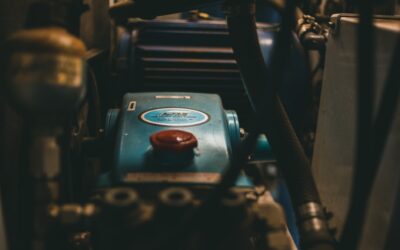
Sold through The Home Depot at prices that undercut Honda-powered rivals by a couple hundred dollars, the PowerStroke pressure washer has become one of the most common gas machines sitting in American garages. Most run a Subaru or Kohler engine bolted to an axial-cam pump, delivering 2,000 to 3,200 PSI for a fraction of the cost of premium brands. That value comes with quirks, though — the pumps are not user-serviceable, the unloader valves stick, and the manuals gloss over routine care. This guide covers the specs, maintenance, and the handful of fixes that keep one of these machines running for years.
- PowerStroke Models and Their Specs
- First Startup and Break-In
- Routine Maintenance Schedule
- Choosing the Right Nozzle Tip
- The Unloader Valve: Most Common Repair
- Troubleshooting Startup and Pressure Problems
- Using Detergents and the Soap Injector
- Safety and Surface Cautions
- PowerStroke vs. Electric and Premium Gas
- Is a PowerStroke Worth Buying?
PowerStroke Models and Their Specs
PowerStroke has offered a broad lineup over the years, and knowing your exact model number (stamped on a sticker on the frame) matters when buying parts. The most common units cluster around three power tiers, each aimed at a different cleaning job.
- 2,000–2,200 PSI, ~1.2 GPM — light-duty models for cars, patio furniture, and grills
- 2,500–2,800 PSI, ~2.3 GPM — mid-range for driveways, siding, and fences
- 3,000–3,200 PSI, ~2.5 GPM — the popular PS80903, PS80544, and similar units for heavy concrete and paint prep
Cleaning power is really a product of PSI and GPM together, expressed as cleaning units (CU = PSI x GPM). A 3,100 PSI machine flowing 2.4 GPM produces about 7,440 CU, roughly three times the cleaning speed of a small electric washer. That is why these gas units strip years of grime that an electric never touches.
First Startup and Break-In
The most damaging mistake a new owner makes is running the engine dry of oil. PowerStroke units almost always ship with an empty crankcase — the engine oil is in a separate bottle in the box. Fill it to the dipstick’s full mark with SAE 10W-30 before the first pull, or you will seize the engine in minutes and void the warranty.
The pump also needs attention. Most PowerStroke axial pumps come pre-filled with pump oil but have a shipping plug that must be swapped for the vented dipstick cap before running, otherwise pressure builds and blows the seal. Connect the garden hose and run water through the system with the trigger open for 30 seconds before starting the engine — this purges air and primes the pump so it never runs dry.
Routine Maintenance Schedule
These machines reward a little care and punish neglect quickly. Because the pumps are sealed and inexpensive to replace but expensive to rebuild, keeping water clean and oil fresh is the whole game.
- Every use: Check engine oil, inspect the inlet screen filter, and flush the system with clean water when done.
- First 5 hours: Change the engine oil to clear break-in metal.
- Every 50 hours or annually: Change engine oil, clean or replace the air filter, and check the spark plug gap (typically 0.028–0.031 inch).
- Off-season: Run pump saver antifreeze through the pump and stabilize or drain the fuel.
Freeze damage is the number-one killer of these pumps. Water left in the pump over a single hard freeze cracks the aluminum head, and no repair is worth it at that point. A $10 bottle of pump saver each fall prevents a $150 replacement.
Choosing the Right Nozzle Tip
Every PowerStroke ships with a set of color-coded quick-connect nozzles, and using the wrong one either wastes the machine’s power or gouges the surface you are cleaning. The number stamped on the tip is the spray angle in degrees.
- Red (0°): A pinpoint jet — dangerous, rarely needed, strips paint and can cut skin
- Yellow (15°): Heavy stripping for concrete and rust
- Green (25°): The all-purpose tip for driveways, decks, and siding
- White (40°): Gentle wide fan for cars, windows, and delicate surfaces
- Black (soap): Low-pressure tip that lets the detergent injector draw
Detergent only siphons through the black soap tip because the injector needs the low pressure to create suction. New owners routinely wonder why no soap comes out — they left a high-pressure tip installed.
The Unloader Valve: Most Common Repair
If your PowerStroke pressure washer pulses, surges, or won’t build pressure, the unloader valve is the usual suspect. This valve routes water back into the pump when you release the trigger so the engine isn’t fighting dead-headed pressure. Over time, minerals and debris make it stick.
Before ordering parts, try the simple fix: with the engine off and hose connected, squeeze the trigger to bleed pressure, then work the unloader by hand or spray penetrating lubricant on the shaft. Often a stuck valve frees up. If pressure still pulses, the valve seals are worn and a $15–$25 unloader rebuild kit or replacement valve restores full performance. Buy the exact part for your model number, as thread sizes vary.
Troubleshooting Startup and Pressure Problems
When the engine won’t start, run through the same short checklist that solves the vast majority of no-start calls before assuming anything is broken.
- Old fuel: Gas older than 30 days without stabilizer gums the carburetor — drain and refill with fresh.
- Choke position: Full choke for a cold engine, off once warm.
- Fuel valve: Confirm the petcock is open.
- Spark plug: A fouled or worn plug is a $4 fix; gap it correctly.
Low pressure with a running engine points to a clogged inlet screen, a partially closed water supply, air in the pump, or a worn nozzle. Always run the hose wide open — these pumps need 5 gallons per minute of supply to make their rated flow, and a kinked or restricted hose starves them.
Using Detergents and the Soap Injector
The downstream detergent injector on a PowerStroke draws cleaner from an onboard tank or a siphon tube only under low pressure, which is why the black soap nozzle is mandatory. Mix a pressure-washer-safe concentrate — never household bleach straight, which corrodes the pump seals — at the dilution printed on the jug, usually 1 part cleaner to roughly 10 to 20 parts water. For a typical driveway, a sodium-hypochlorite-based house wash or a degreaser like Simple Green Oxy or Zep runs $10 to $18 a gallon and covers several hundred square feet.
The professional technique is to apply soap from the bottom up so streaks do not run down dry surface, let it dwell for five to ten minutes without letting it dry, then rinse from the top down with the green 25-degree tip. Working in the shade keeps the detergent wet and active. After every detergent session, run clean water through the injector for a full minute to flush corrosive residue out of the pump; skipping this step is a leading cause of premature seal failure.
Safety and Surface Cautions
A 3,100 PSI stream is powerful enough to inject water and bacteria under the skin, causing serious infection, so never point the wand at anyone and treat the red 0-degree tip as a tool of last resort. Wear closed-toe boots, safety glasses, and hearing protection — these engines run around 85 to 90 decibels at the operator. Keep both hands on the gun; the reactive thrust of the high-flow models can knock a ladder out from under you, so clean second-story siding from the ground with an extension wand instead.
Match the tip to the surface to avoid damage. Keep the nozzle 12 to 18 inches off wood decking and soft siding, never use the yellow or red tip on painted wood, and test an inconspicuous corner first. Concrete and brick tolerate the 15-degree yellow tip up close; vinyl siding and vehicles want the 40-degree white tip held a foot away. Etching lines into a driveway almost always means the tip was too tight or held too close.
PowerStroke vs. Electric and Premium Gas
An electric pressure washer flows around 1.2 to 1.5 GPM at 1,800 to 2,300 PSI — roughly a third of the cleaning units of a mid-tier PowerStroke — and stalls on serious oil stains or years of algae. It wins on noise, weight, and instant on-off convenience for cars and patio furniture. The gas PowerStroke is the tool for driveways, large decks, and paint prep where speed matters. Against a premium Honda GX-powered Simpson or DeWalt at $500-plus, the PowerStroke gives up a rebuildable triplex pump and a bit of engine refinement but saves $150 to $250, which for occasional homeowner use is money well kept.
Is a PowerStroke Worth Buying?
For a homeowner who pressure-washes a driveway, deck, and vehicles a handful of times a season, a PowerStroke delivers professional-grade cleaning at a friendly price. The engines — usually Subaru EA or Kohler RH — are reliable and easy to service, and parts are stocked at Home Depot. The weak point is always the pump: sealed, non-rebuildable, and vulnerable to freeze and dry-running.
Treat the pump right and one of these machines lasts a decade. Flush it after every job, never let it freeze, and keep the inlet filter clean. Do that, and the PowerStroke pressure washer is one of the best value tools in the yard-care aisle. Neglect the pump for one winter, and you will be shopping for a new machine come spring.