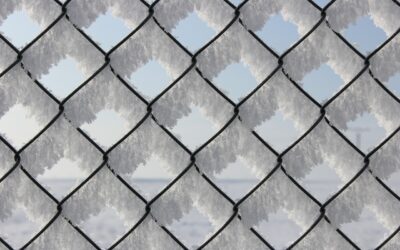
A 200-foot chain link fence costs about $2,200 installed in 2026, and replacing it with vinyl or wood for true privacy runs $7,500 to $14,000. Installing privacy mesh for chain link fence bridges that gap for roughly $0.80 to $2.50 per square foot of coverage, completed in a weekend, and reversible if you change your mind. The difference between a mesh installation that lasts ten years and one that fails in twelve months comes down to material weight, fastener spacing, and wind-load planning that most online guides skip.
Part of our Decks & Outdoor guide — explore the full guide →
How Privacy Mesh Compares to Other Options
Chain link privacy upgrades fall into three categories. Slatted inserts cost about $1.20 per linear foot, deliver roughly 70 percent visual block, and rattle in wind. Bamboo or reed roll fencing runs $0.50 to $1.10 per linear foot but degrades in two to four years from UV exposure. Privacy mesh and windscreen fabric sit in the middle at $0.80 to $2.50 per linear foot, deliver 85 to 95 percent visual block, and last 5 to 12 years with proper installation.
Material Weight Matters Most
Privacy mesh is sold by weight per square foot, typically expressed in ounces. Light mesh (4 to 5 oz) is the cheap roll you see at Harbor Freight for $40 covering a 6 by 50 foot run. It frays within a year and tears at every grommet. Mid-grade mesh (7 to 8 oz) from brands like Aleko and Amgo holds up for 4 to 6 years in moderate climates. Heavy commercial mesh (9 to 12 oz) from US Cargo Control, Mytee Products, and Eider Outdoors costs more upfront but lasts 8 to 12 years and handles 50 mph wind without stretching out the fence posts.
For residential backyard use, 7 oz to 9 oz is the sweet spot. Anything lighter is throwaway. Anything heavier is overkill unless you live in a high-wind area like coastal Florida or the Great Plains.
Choose the Right Privacy Percentage
Mesh products are rated by light blockage:
- 60 to 70 percent block: airflow and visual screen for sports backstops and dog runs
- 85 to 90 percent block: standard backyard privacy mesh, the most common choice
- 95 to 99 percent block: maximum privacy, also acts as significant wind block
Higher block percentages catch more wind and put more load on fence posts. If your existing chain link has 2-3/8 inch posts set in 8 inches of concrete spaced 8 feet apart, you can run 90 percent mesh without issue. Posts that are 1-5/8 inch line posts with shallow footings should stay at 70 to 80 percent block to avoid pulling out in storms.
Sizing and Color
Standard fence heights are 4, 5, and 6 feet, and mesh is sold in rolls matching those plus 7 and 8 foot options for commercial fences. Buy mesh in the exact height or 2 inches taller — never shorter. Length should match the fence run plus 5 percent for waste at corners and tensioning.
Green and black are the most common colors. Black recedes visually and looks tidier than green in most yards. Tan, beige, and bronze are available from companies like Eider for landscapes that lean warm. Avoid white — it shows dirt within one season and looks dingy by year two.
Fasteners and Spacing
The most common failure mode is fasteners ripping through grommets in wind. Standard recommendations call for one zip tie every 12 inches. From field experience, 6-inch spacing is the better number for any installation that sees gusts over 30 mph. Use UV-stabilized black zip ties — Panduit and Thomas and Betts brands hold up for 7 to 10 years. Cheap clear or natural-nylon ties from dollar stores get brittle and snap within 18 months of sun exposure.
For premium installations, hog rings made of stainless or galvanized steel and applied with a pneumatic hog ring tool ($60 rental at Sunbelt) outlast zip ties and look more professional. Plan on 80 to 100 hog rings per 50-foot panel.
Step-by-Step Installation
Start at a corner post and work in one direction. Unroll about 6 feet of mesh and pull it taut against the fence using a come-along ratchet strap or two helpers pulling by hand. Secure the top edge first with zip ties through the grommets and around the top rail of the fence. Move along the top in 2-foot increments, keeping tension uniform.
Once the top is fastened, work the vertical seam at each post, then the bottom edge. Trim excess mesh with sharp shears, leaving 1/2 inch overhang at the bottom for ground contact wear. For corners, fold the mesh around the corner post rather than cutting and butting two pieces — folded corners shed wind and water better than seamed ones.
Wind Loading and HOA Considerations
The American Society of Civil Engineers ASCE 7-22 standard treats privacy mesh as a wind-load surface. For most residential fence heights, the additional load is well within the original fence design, but if your fence already leans, sags, or has loose posts, install the mesh in 50-foot sections separated by 6-inch gaps to break wind continuity. The gaps prevent the entire run from acting as a sail.
Many homeowners associations require approval for any fence modification, including privacy mesh. Check covenants and submit a photo of the proposed product before ordering. Most HOAs approve black or dark green commercial-grade mesh without issue but reject bright colors and lightweight fabrics on aesthetic grounds.
Maintenance and Lifespan
Hose the mesh clean twice a year to clear pollen, dust, and spider webs. Inspect fasteners after every major windstorm and replace any that have stretched or broken. Patch small tears with vinyl mesh repair tape ($14 from McMaster-Carr) before they propagate. With heavy-grade material and tight fastener spacing, a well-installed privacy mesh for chain link fence delivers a decade of privacy at a fraction of the cost of a full fence replacement, making it the single highest-leverage backyard upgrade for budget-conscious homeowners.