If you need soft, cushioned flooring you can install yourself in an afternoon and pull up just as fast, interlocking tiles are hard to beat. Puzzle carpet tiles snap together at their jigsaw-style edges to create a seamless, padded surface, no glue, no nails, no special tools. They are a go-to for playrooms, home gyms, basements, and rental spaces. But like any product, they have real strengths and honest limitations. Here is everything you should know before buying.
Part of our Tile & Grout guide — explore the full guide →
What Puzzle Carpet Tiles Are
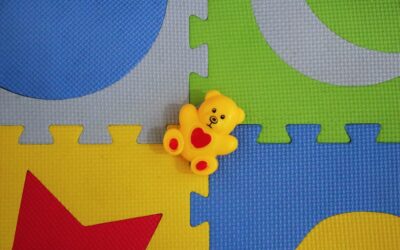
Puzzle carpet tiles are square tiles, often a foam base topped with a carpet surface, that connect along interlocking edges much like jigsaw pieces. The foam core adds cushioning and insulation, while the carpet top gives a soft, finished look. Most come in standard squares with removable border strips that give the perimeter a clean, straight edge. Because they simply press together and rest on the floor, they are a true DIY product that requires no adhesive and can be reconfigured or removed at will.
The Best Uses for Them
These tiles shine in spaces where comfort, safety, and easy installation matter more than a permanent, high-end finish:
- Playrooms and nurseries: The padded surface cushions falls and adds warmth for kids playing on the floor.
- Home gyms: Foam-backed carpet tiles provide a comfortable, non-slip base for stretching and light workouts.
- Basements: They add insulation and softness over cold concrete and can be lifted if moisture is a concern.
- Rentals and temporary spaces: Easy to install without damaging the floor and to take with you when you move.
- Craft rooms and play areas where a single damaged tile can be swapped out cheaply.
Why People Like Them
The appeal is practical and budget-friendly:
- No-tool installation: Tiles press together by hand in minutes.
- Affordable: Generally inexpensive per square foot compared to installed carpet.
- Cushioned and warm: The foam adds comfort underfoot and insulation against cold floors.
- Easy repairs: Replace one stained or worn tile instead of an entire floor.
- Portable: Disassemble and reuse them in a new room or home.
How to Clean Puzzle Carpet Tiles
Keeping them fresh is simple with a routine:
- Vacuum regularly to remove dust and crumbs from the carpet surface.
- Spot-clean spills promptly with mild soap and water, blotting rather than rubbing.
- Lift individual tiles for deeper cleaning, a major advantage over wall-to-wall carpet. You can wash a single tile in a sink or tub.
- Dry tiles completely before snapping them back in place, since trapped moisture in the foam can cause odor or mildew.
- Avoid soaking the foam or using a steam cleaner, which can saturate and warp the base.
The ability to remove and wash a single tile is one of the biggest day-to-day benefits.
The Honest Limitations
Puzzle carpet tiles are not a do-everything flooring, and it is worth being realistic:
- They look casual. Even nice ones read as utilitarian, better suited to playrooms and gyms than living rooms or formal spaces.
- Seams are visible. The interlocking lines show, and edges can lift or separate under heavy or rolling traffic.
- Foam compresses over time. High-traffic tiles can flatten and wear faster than quality carpet.
- Moisture caution. While liftable, the foam can trap water and harbor mildew if spills sit or the subfloor is damp.
- Not ideal under furniture. Heavy items can dent the foam permanently.
- Lower-end tiles may have an initial odor and should be aired out before use.
Buying Tips
To get the most from them, choose well:
- Measure your space and account for border pieces so the perimeter looks finished.
- Buy a few extra tiles for future replacements, since colors and styles change.
- Check thickness: thicker foam offers more cushion but a higher step-up at doorways.
- Look for low-odor or certified-low-VOC options for children’s spaces.
- Confirm whether the surface is true carpet or a thin fabric layer, which affects durability.
How to Install Them
Installation is genuinely simple, which is much of the appeal:
- Clean and dry the floor so no grit or moisture gets trapped underneath.
- Plan your layout and start from one corner or the center of the room, depending on how cuts will fall.
- Press the interlocking edges together firmly until each tile snaps flush with its neighbor.
- Cut edge tiles to fit with a sharp utility knife and a straightedge for a clean wall line.
- Attach the border strips to finish the exposed perimeter edges.
The whole process needs no glue and minimal tools, and the floor is ready to use immediately. To remove or reconfigure, simply lift a corner and pop the tiles apart.
Safety and Material Considerations
For children’s spaces in particular, look at what the foam is made of. Many puzzle tiles are EVA foam, and quality matters; choose products that are clearly labeled low-VOC or formamide-free where available, and air new tiles out in a ventilated room before installing if they have any odor. The cushioning that makes these tiles great for play also makes them softer underfoot, so they are not a trip hazard, but be aware that edges can curl if tiles separate, especially in high-traffic paths. Check seams periodically and re-seat any tiles that have shifted to keep the surface even and safe.
The Bottom Line
Puzzle carpet tiles are an affordable, DIY-friendly way to add soft, cushioned flooring to playrooms, gyms, basements, and rentals, with the bonus that you can lift and wash a single tile or take the whole floor with you. Just go in clear-eyed about the limits: visible seams, a casual look, compressible foam, and moisture sensitivity. They are best thought of as a practical, flexible solution for specific spaces rather than a permanent replacement for installed carpet or hard flooring in your main living areas. Buy a few spare tiles for future swaps, choose a low-odor product for kids’ rooms, and check the seams now and then. Match them to the right space and maintain them with regular vacuuming and prompt spot-cleaning, and they deliver real comfort and convenience for the money.