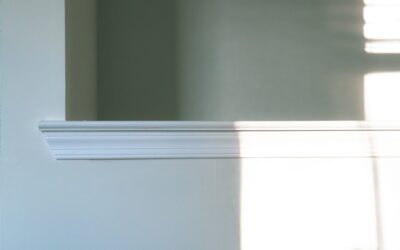
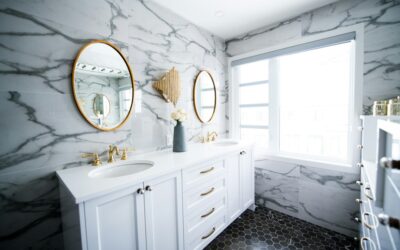
Wood trim has one weakness that shows up fast in the wrong room: water. In bathrooms, basements, and laundry rooms, moisture warps and rots wood baseboards within a few seasons. PVC baseboard solves that problem with a fully waterproof, rot-proof plastic trim that looks like painted wood but never swells, splits, or feeds mold. For moisture-prone spaces, it is often the smartest choice. Here is how it works, where to use it, and what to expect on cost.
What Is PVC Baseboard
PVC baseboard is trim made from polyvinyl chloride, a rigid, waterproof plastic. It is manufactured in the same profiles as traditional wood baseboard, so it installs and finishes much like the real thing while being completely impervious to water. Cellular PVC, a foamed version, is the most common type for trim, offering a solid, paintable surface that mimics wood.
Because it contains no organic material, it cannot rot, and it does not provide a food source for mold or insects like termites.
Key Benefits
PVC baseboard earns its place through a set of practical advantages.
- Fully waterproof: It will not swell, warp, or rot when exposed to water, making it ideal for wet areas.
- Rot and pest resistant: No organic material means no rot, mold food, or termite damage.
- Low maintenance: It wipes clean easily and never needs to be sealed against moisture.
- Paintable: Most cellular PVC takes paint well, so you can match any color scheme.
- Durable: It resists dents and holds up to daily wear in busy areas.
Where to Use It
PVC baseboard shines anywhere moisture is a concern. The best applications include bathrooms, basements, laundry rooms, mudrooms, and kitchens. It is also a strong choice in flood-prone areas and below-grade spaces where wood trim would fail.
You can use it throughout a home for consistency, but its biggest payoff is in the rooms where water exposure is routine and wood trim simply does not last.
PVC vs. Wood and MDF Baseboard
Each material has its place. Wood looks classic and is easy to work, but it absorbs water and can rot. MDF is smooth and affordable but swells badly when wet, making it the worst choice for damp rooms. PVC costs more than basic MDF but resists everything moisture throws at it.
For dry living rooms and bedrooms, wood or MDF is fine and budget-friendly. For any room that sees humidity or splashing, PVC is the durable, worry-free option that avoids costly replacement down the road.
Installation Basics
Installing PVC baseboard is similar to working with wood, which makes it accessible to DIYers.
- Measure and cut pieces with a standard miter saw and a fine-tooth blade for clean cuts.
- Attach the trim with finish nails, a brad nailer, or PVC-compatible construction adhesive.
- Join corners with miter cuts, and use PVC cement on glued joints for a seamless bond.
- Fill nail holes and gaps with a paintable, flexible caulk rated for PVC.
- Prime if needed and paint with a quality acrylic latex paint formulated to adhere to PVC.
Because PVC expands and contracts slightly with temperature, leave small allowances at long runs and follow the manufacturer’s guidance on fasteners and adhesives.
Care and Cleaning
Maintenance is minimal. Wipe PVC baseboard with a damp cloth and mild cleaner to remove dust and scuffs. Because it is waterproof, you never worry about water damage from mopping nearby. Avoid abrasive scrubbers that could dull a painted finish, and touch up paint as needed over the years.
Styles and Profiles Available
PVC baseboard comes in the same range of profiles as wood trim, so you do not have to sacrifice style for performance. Common options include simple flat or square profiles for a clean, modern look, traditional stepped and beveled profiles, and taller baseboards for a more substantial, upscale appearance.
Most cellular PVC arrives in a smooth white finish ready to paint, though some products come pre-finished. Heights typically range from about three inches for a modest look up to five or more inches for a bold, contemporary statement. Because it cuts and shapes like wood, you can also pair PVC base with matching PVC quarter round or shoe molding for a fully waterproof trim package along the floor.
Painting PVC Baseboard the Right Way
While PVC paints well, a few steps ensure the finish lasts. Clean the surface to remove any manufacturing residue or dust, and lightly scuff glossy areas so paint grips better. Use a quality acrylic latex paint, which flexes with the material as it expands and contracts, rather than oil-based paint that can become brittle.
Avoid very dark colors on PVC trim in areas of strong direct sunlight, since dark surfaces absorb more heat and can cause the material to expand more than light colors. For most interior baseboard applications, standard whites and light neutrals look clean and avoid any heat-related movement entirely.
Cost Considerations
PVC baseboard generally costs more than basic wood or MDF trim but less than premium hardwood. Material prices commonly run about $1.50 to $4 per linear foot depending on the profile and thickness. Installation adds labor if you hire a pro, often $1 to $3 per linear foot. The higher upfront cost is offset by never needing to replace rotted trim in wet rooms.
Pairing PVC Baseboard With Flooring
PVC baseboard works especially well with the waterproof flooring it often accompanies. In a bathroom or basement with luxury vinyl plank, tile, or sheet vinyl, a PVC base completes a fully water-resistant perimeter so a spill or minor flood does not destroy the trim. The combination is a smart, worry-free package for any room prone to moisture.
Leave the recommended expansion gap at the floor where required by your flooring type, and use a color-matched, paintable caulk to bridge the small gap between the base and the floor for a finished look. Adding matching PVC shoe molding or quarter round hides that joint cleanly while keeping the entire bottom edge waterproof, which is exactly the kind of detail that makes a wet-room installation last.
Final Thoughts
PVC baseboard is the go-to trim for bathrooms, basements, and any moisture-prone space, delivering waterproof, rot-proof performance that wood and MDF cannot match. It installs much like wood, paints cleanly, and needs almost no maintenance. For the rooms where water is a constant threat, the modest price premium buys lasting peace of mind.