Baseboard trim does more than cover the gap where your wall meets the floor; it protects the wall, defines a room’s style, and takes a beating from vacuums, shoes, and furniture. Aluminum baseboard has emerged as a modern alternative to traditional wood and MDF, offering a sleek profile that resists moisture, dents, and warping. For homeowners chasing a contemporary look or a low-maintenance solution in demanding spaces, metal trim is worth a serious look.
Why Choose Aluminum Over Wood
Wood and MDF baseboards dominate most homes, but they have real weaknesses. They swell when exposed to moisture, dent under impact, and require periodic repainting. Aluminum sidesteps these problems with a material that is dimensionally stable, rust-resistant, and impervious to water, making it a standout choice for basements, bathrooms, and other humid areas.
Beyond durability, aluminum delivers a crisp, minimalist aesthetic that suits modern and industrial interiors. The thin, clean lines of a metal profile can look sharper than bulky wood molding, and finishes hold up without the chips and scuffs that plague painted trim. For high-traffic commercial-style spaces in a home, it is hard to beat.
Key Benefits at a Glance
The advantages of metal trim go beyond looks. Here is what draws homeowners and designers to the material.
- Moisture and rot proof: ideal where wood would swell or grow mold, such as bathrooms and basements.
- Impact resistant: shrugs off the dents and dings that mark up softer materials.
- Low maintenance: no repainting, and finishes resist fading and scuffing.
- Pest proof: termites and other insects have no interest in metal.
- Modern appearance: slim profiles and metallic or powder-coated finishes for a contemporary edge.
- Recyclable: aluminum is a sustainable, fully recyclable material.
Styles and Finishes
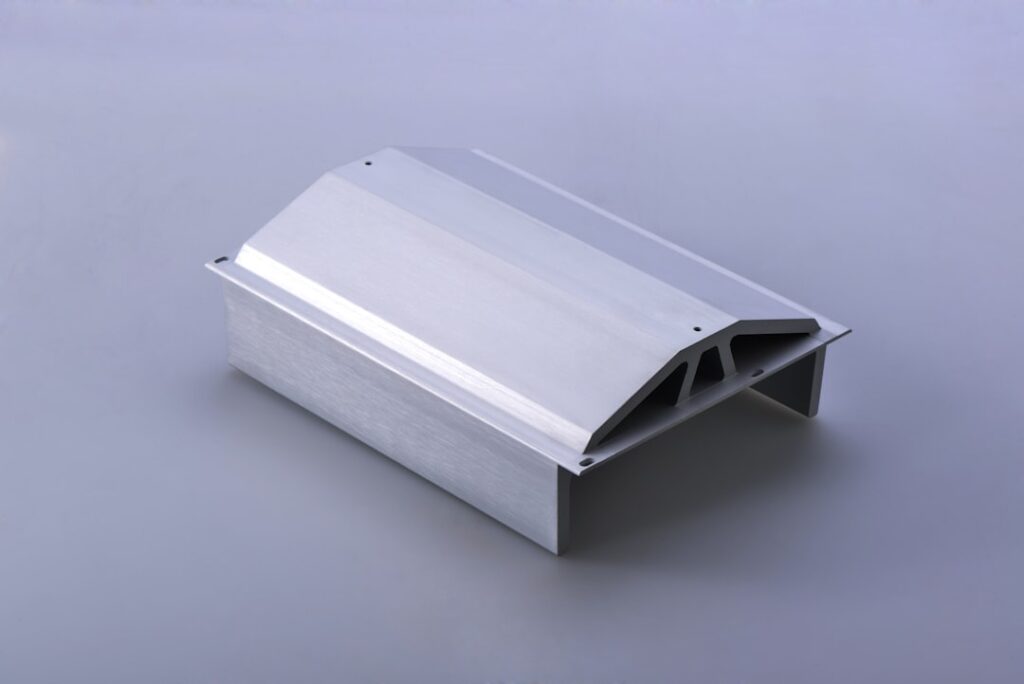
Aluminum baseboard comes in more variety than you might expect. Profiles range from ultra-minimal flat strips and recessed reveal designs to taller pieces that mimic the height of traditional trim. Some systems sit nearly flush with the wall for a seamless, architectural look, while others have a visible lip that reads more like classic molding.
Finishes are equally varied. You can find brushed and polished metallic surfaces, anodized colors, and powder-coated options in nearly any shade. Matte black, satin nickel, and crisp white are popular choices that coordinate with modern hardware and fixtures. Consider how the finish will play against your flooring and wall color before committing.
Where It Works Best
While you can install aluminum trim anywhere, it earns its keep in certain spaces. Bathrooms, laundry rooms, and basements benefit most because aluminum laughs off the moisture that destroys wood. Kitchens are another natural fit given the spills and humidity near sinks and dishwashers.
The look also complements modern flooring like polished concrete, large-format tile, and luxury vinyl plank. In a minimalist or industrial design scheme, a slim metal baseboard ties the room together. In a traditional or rustic home, however, ornate wood molding may suit the architecture better, so weigh the style of your space.
Installation Overview
Installing aluminum baseboard differs from nailing up wood, and the method depends on the specific product system. Many designs use a mounting clip or track that fastens to the wall, with the visible trim snapping onto it for a clean, fastener-free face. Others install with adhesive or screws hidden behind a cover.
- Measure each wall carefully and plan your cuts to minimize visible seams.
- Cut the aluminum with a fine-tooth blade or metal-cutting tool for clean edges, wearing eye protection.
- Mount any clips or tracks level along the wall according to the manufacturer’s spacing.
- Snap or fasten the trim into place, working around corners with the matching corner pieces.
- Seal gaps at transitions with an appropriate sealant if the design calls for it.
Cutting metal produces sharp edges and shavings, so wear eye protection and gloves, and always follow the manufacturer’s instructions for the specific system you buy.
Comparing Aluminum to Other Trim Materials
Choosing baseboard means weighing aluminum against the more familiar options, each with clear trade-offs. Solid wood offers warmth, easy on-site cutting, and the ability to be repainted or restained, but it costs more, dents, and swells in humidity. MDF is the budget favorite, smooth and inexpensive, yet it is the most vulnerable to moisture and crumbles if it gets wet, making it a poor fit for bathrooms and basements.
PVC and other vinyl trims share aluminum’s moisture resistance at a lower price, but they lack the rigidity and premium feel of metal and can look less refined up close. Against all of these, aluminum stands out for its combination of slim modern profiles, near-total immunity to water, rot, and pests, and a finish that never needs repainting. The trade-offs are a higher upfront cost and a look that suits contemporary spaces better than traditional ones. If your priority is a maintenance-free, modern finish in a demanding environment, aluminum justifies its premium; if you want classic warmth or rock-bottom cost, wood or MDF may serve you better. Knowing how the materials stack up helps you spend wisely room by room.
Cost and Final Considerations
Aluminum trim generally costs more upfront than standard wood or MDF baseboard, so treat pricing as an estimate that varies by profile, finish, and supplier. The premium buys you durability and a maintenance-free finish that can pay off over years, especially in spaces where wood would fail. Factor in any specialty corner pieces and connectors the system requires.
Before buying, request samples to judge the finish in your own lighting, and confirm the available lengths and corner solutions fit your room dimensions. If you are comfortable measuring and cutting precisely, installation can be a DIY project; if not, a finish carpenter can handle it quickly.
It is also worth planning how the trim coordinates with your other finishes. A matte black aluminum baseboard ties together black window frames, light fixtures, and cabinet hardware for a cohesive modern scheme, while a brushed metallic profile complements stainless appliances and contemporary flooring. Consider how the baseboard meets door casings and transitions between rooms, since metal trim often pairs best with simple, squared-off casing rather than ornate molding. With a little planning around style and coordination, aluminum baseboard delivers a clean, resilient finishing touch that wood simply cannot match in the rooms that need it most.