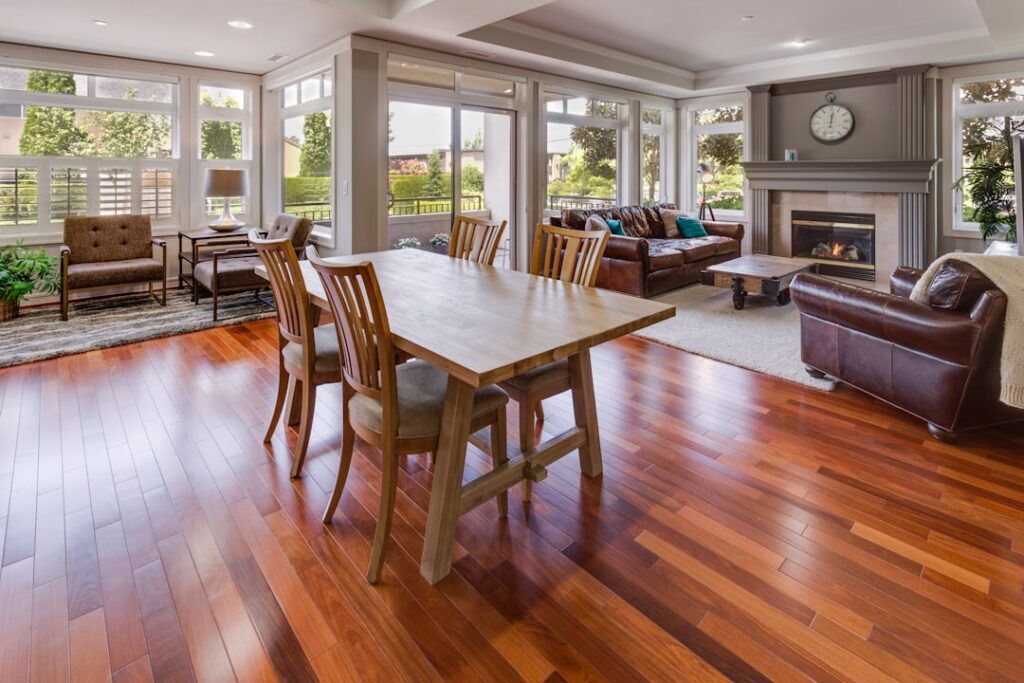
If you want trim that looks as good in thirty years as it does the day it goes up, red oak baseboard is one of the most dependable choices you can make. It pairs a bold, open grain with real hardwood durability, and it happens to be one of the most affordable domestic hardwoods on the market. Whether you are matching existing oak floors, building character into a new build, or replacing tired painted pine, red oak gives you a warm, timeless foundation to work from.
- What Makes Red Oak Baseboard Worth Considering
- Common Red Oak Baseboard Profiles and Sizes
- What Red Oak Baseboard Costs
- Finishing Red Oak: Stain, Clear Coat, or Paint
- Installing Red Oak Baseboard Step by Step
- Red Oak Versus White Oak and Other Alternatives
- Caring for Red Oak Baseboard Over Time
- Matching Red Oak Baseboard to Your Floors and Trim
- Where to Buy and How Much to Order
- Final Thoughts on Choosing Red Oak Baseboard
What Makes Red Oak Baseboard Worth Considering
Red oak is a ring-porous hardwood, which means it has large, visible pores that create the pronounced grain people recognize instantly. That grain is the reason red oak takes stain so beautifully and hides minor dents and scuffs better than smoother woods like maple or poplar. As a baseboard material, it stands up to vacuum bumps, mop water, pet traffic, and the general abuse the bottom of a wall takes over the years. The wood is also stiff and dense, with a Janka hardness around 1,290, so it resists denting far better than softwood trim.
Homeowners choose it for a few practical reasons. It is widely available at lumberyards and home centers, it is relatively inexpensive compared to walnut or cherry, and it is easy to match to the millions of red oak floors already installed in American homes.
Common Red Oak Baseboard Profiles and Sizes
Baseboard is sold by profile shape and by dimension, and red oak comes in most of the standard options. Knowing the vocabulary helps when you order.
- Height: Common heights run from 3 1/4 inches for a modest look up to 5 1/4 or 7 1/4 inches for taller, more formal rooms. Nine-foot ceilings and up generally look best with taller boards.
- Thickness: Most red oak base is milled around 1/2 to 3/4 inch thick. Thicker stock feels more substantial and resists warping.
- Profiles: Choices include a clean square-edge modern profile, a traditional ogee or colonial curve, and a stepped ranch profile. Square-edge suits contemporary interiors, while ogee reads more classic.
- Length: Boards typically come in 8-foot lengths, though some suppliers offer longer runs to reduce seams in large rooms.
You can also buy matching quarter-round or shoe molding in red oak to cover the small gap where the baseboard meets the floor.
What Red Oak Baseboard Costs
Price depends on profile, height, and whether you buy pre-finished. As a rough guide, plain unfinished red oak baseboard runs roughly $2 to $5 per linear foot at a home center, with taller and thicker profiles at the upper end. Pre-stained and sealed boards can run $4 to $8 per linear foot because the finishing labor is done for you. A typical 12-by-14-foot room needs about 50 to 55 linear feet, so material alone might land between $110 and $275 depending on your choices. If you hire a finish carpenter, installation labor commonly adds $1 to $3 per linear foot on top of materials.
Finishing Red Oak: Stain, Clear Coat, or Paint
The open grain is red oak’s signature, and how you finish it decides how much of that grain shows.
- Stain and clear coat: This is the classic approach. Red oak accepts oil-based and water-based stains readily, from light golden tones to deep espresso. Always test on a scrap first, because red oak has a natural pinkish undertone that some stains amplify.
- Natural clear finish: A simple coat of polyurethane over bare wood lets the honey color and grain speak for themselves.
- Paint: You can paint red oak, but the deep pores will telegraph through unless you fill the grain with a sanding sealer or grain filler first. If you plan to paint white and want a perfectly smooth surface, poplar or MDF is usually the easier choice.
A grain-filling wood conditioner before staining also helps prevent blotchy, uneven color, which is the most common complaint with any oak project.
Installing Red Oak Baseboard Step by Step
Working with a real hardwood is not much harder than working with softwood trim, but the density means sharp blades and pilot holes matter.
- Acclimate the boards in the room for several days so the wood adjusts to your home’s humidity and does not shrink after install.
- Measure and cut inside corners with a coped joint for a tight, gap-free fit; use 45-degree miters for outside corners.
- Because red oak is dense, pre-drill nail holes near board ends to prevent splitting.
- Fasten with a finish nailer into wall studs, then set the nails slightly below the surface.
- Fill nail holes with a matching wood putty, and caulk the top seam only if you are painting, not if you are staining.
Finishing the boards before installation, then touching up nail holes afterward, produces the cleanest results and keeps stain off your walls.
Red Oak Versus White Oak and Other Alternatives
Buyers often weigh red oak against white oak. White oak has a tighter, straighter grain and a cooler, more neutral tone that fits current design trends, but it typically costs more. Red oak, with its warmer pink-to-golden cast and busier grain, has a classic look and a friendlier price. Against poplar or MDF, red oak wins on hardness and stainability but costs more and is heavier to handle. If your floors are already red oak, matching baseboard is the obvious, seamless choice.
Caring for Red Oak Baseboard Over Time
Maintenance is minimal. Dust it during normal cleaning, wipe up spills promptly, and avoid soaking the wood with water when mopping nearby floors. Every few years you may want to refresh the clear coat in high-traffic hallways where scuffing is heaviest. Small dents can often be steamed out with a damp cloth and a warm iron, and deeper scratches touch up easily with a matching stain marker.
Matching Red Oak Baseboard to Your Floors and Trim
One of red oak’s greatest strengths is how easily it coordinates with the rest of a room. If you already have red oak flooring, buying the same species for your baseboard lets you stain both to an identical tone so the transition from floor to wall feels seamless. Even if your floors are a different wood, red oak’s warm undertone bridges nicely with maple casings, oak door trim, and honey-toned cabinetry. For a fully custom look, many homeowners run matching red oak door and window casing throughout the house, staining every trim element the same color for a unified, built-in feel. Just remember that different oak boards can vary in grain and pigment, so lay out your pieces before finishing and group similar-looking boards for the most consistent result.
Where to Buy and How Much to Order
Red oak baseboard is stocked at most home centers, lumberyards, and specialty millwork shops. Big-box stores carry common profiles in 8-foot lengths, while a dedicated millwork supplier can mill custom profiles and longer boards if you want to minimize seams. When ordering, measure the total perimeter of each room, subtract door openings, and then add roughly ten percent for waste, miter mistakes, and coped joints. Buying a little extra from the same lot also gives you matching material for future repairs. If you plan to stain, buy select or clear grade for the fewest knots; if painting, a lower grade saves money since flaws will be covered.
Final Thoughts on Choosing Red Oak Baseboard
For homeowners who want durable, attractive trim without a luxury-wood price tag, red oak baseboard remains a smart, versatile pick. It offers real hardwood toughness, a grain that hides everyday wear, and finishing flexibility that lets you stain it rich and warm or coat it clear and natural. Match it to existing oak floors, choose a profile height that suits your ceilings, and take the time to test your stain, and you will end up with baseboard that frames every room cleanly for decades to come.