- White Oak vs Red Oak Flooring: A Detailed Comparison
- Quick Comparison: White Oak vs Red Oak
- Grain Pattern Differences
- Color Comparison
- Hardness and Durability
- Water Resistance: White Oak Wins Decisively
- Tannin Content and Fuming
- Cost Comparison
- 2026 Trend Status
- Which Should You Choose?
- Frequently Asked Questions About White Oak vs Red Oak Flooring
White Oak vs Red Oak Flooring: A Detailed Comparison
Oak is the most popular hardwood flooring species in North America, and the debate between white oak vs red oak flooring is one of the most common questions homeowners face. Both are beautiful, durable, and widely available, but they differ in ways that can significantly affect the look, performance, and longevity of your floor.
In this guide, we compare white oak and red oak across every factor that matters: grain pattern, color, hardness, water resistance, stainability, cost, and current design trends. By the end, you will have a clear understanding of which oak species is right for your home.
Quick Comparison: White Oak vs Red Oak
| Feature | White Oak | Red Oak |
|---|---|---|
| Janka Hardness | 1,360 lbf | 1,290 lbf |
| Natural Color | Golden brown, warm amber | Pinkish-red undertone |
| Grain Pattern | Tighter, more linear with ray flecks | More prominent, swirling cathedral grain |
| Water Resistance | Superior (closed grain, tyloses) | Lower (open grain) |
| Stainability | Excellent (takes all stain colors evenly) | Good (pink tone can affect some stains) |
| Tannin Content | High (reacts well with fuming/gray stains) | Lower |
| Cost (material) | $4 – $10/sq ft | $3 – $8/sq ft |
| Availability | Widely available | Very widely available |
| Trend Status (2026) | Dominant, highly sought after | Classic, slightly less in demand |
Grain Pattern Differences
The grain pattern is one of the most visible differences between white oak and red oak, and it is often the deciding factor for homeowners who care deeply about aesthetics.
White Oak Grain
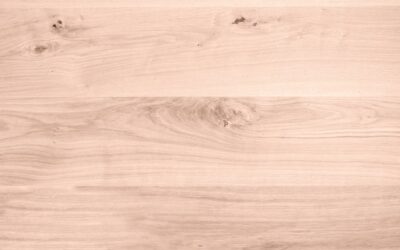
White oak has a tighter, more linear grain pattern with subtle ray flecks (small, straight lines that run perpendicular to the grain). Rift and quarter-sawn white oak displays particularly striking ray fleck patterns. Overall, white oak grain is more subdued and uniform, giving floors a calmer, more contemporary appearance.
Red Oak Grain
Red oak has a more pronounced, open grain with distinctive cathedral (arch-shaped) patterns. This bold grain gives red oak a more traditional look and more visual movement across the floor. Some homeowners love this character; others find it too busy, especially in large rooms.
Color Comparison
Color is another major differentiator, and it becomes especially important when choosing stain colors.
White Oak Color
Unfinished white oak has a warm, golden-brown tone with olive or amber undertones. It deepens to a richer honey color with age and sunlight exposure. White oak’s neutral base makes it extremely versatile for staining, as it does not fight the stain color the way red oak can.
Red Oak Color
Unfinished red oak has a distinctive pinkish-red undertone that is immediately noticeable when placed next to white oak. This pink tone becomes more pronounced with certain finishes and can clash with cool gray or ashy stain colors. Over time, red oak warms to a deeper amber-red.
How Color Affects Stain Selection
| Stain Color | On White Oak | On Red Oak |
|---|---|---|
| Natural (clear coat) | Golden brown, neutral | Pinkish-salmon, warm |
| Jacobean (dark brown) | Rich, consistent brown | Can show reddish undertones |
| Gray / weathered | Clean gray, even absorption | Can appear muddy or purple |
| White wash | Bright, Scandinavian look | Pink undertone fights the white |
| Ebony (very dark) | Deep, uniform black-brown | Grain shows more, slight red cast |
| Provincial (medium brown) | Warm, balanced brown | Warm with red highlights |
The takeaway: white oak is significantly more versatile for staining, especially for the cool-toned and gray stains that dominate modern design trends.
Hardness and Durability
Both species are durable hardwood flooring options, but white oak has a slight edge.
- White oak Janka hardness: 1,360 lbf
- Red oak Janka hardness: 1,290 lbf
The 70-point difference is noticeable under close inspection but not dramatic in everyday use. Both species handle residential foot traffic well. For context, hickory (1,820 lbf) and maple (1,450 lbf) are harder, while cherry (950 lbf) and pine (690 lbf) are significantly softer.
In practical terms, white oak’s superior hardness, combined with its tighter grain, means it resists denting and wear slightly better than red oak over decades of use.
Water Resistance: White Oak Wins Decisively
This is the single biggest functional difference between the two species, and it is the reason white oak has historically been used for boat building, wine barrels, and outdoor furniture.
Why White Oak Is More Water-Resistant
White oak has tyloses, which are tiny bubble-like growths that plug the wood’s pores (vessels). This closed-cell structure prevents water from penetrating the wood easily. Red oak lacks tyloses, leaving its pores open and making it significantly more susceptible to water absorption.
Practical Implications
- White oak is a better choice for kitchens, entryways, and areas near bathrooms
- Spills on white oak are less likely to cause staining or warping
- Red oak requires more prompt spill cleanup to prevent water damage
- White oak’s closed grain also makes it more resistant to decay and rot
While no hardwood floor should be exposed to standing water, white oak provides an extra margin of safety in moisture-prone areas.
Tannin Content and Fuming
White oak has a significantly higher tannin content than red oak, which has two important implications:
Better Reaction to Gray and Weathered Stains
Tannins in white oak react with iron-based stains and reactive finishes to produce rich, even gray and weathered tones. This is why white oak is the go-to species for the gray-washed floors that have been popular in modern and Scandinavian design. Red oak’s lower tannin content produces less consistent results with these treatments.
Fuming Compatibility
Fuming is a finishing technique where ammonia vapors react with tannins in the wood to produce deep, warm brown tones without conventional stain. White oak is the ideal species for fuming because its high tannin content produces dramatic color changes. Red oak can be fumed but produces more subtle, less consistent results.
Cost Comparison
| Cost Factor | White Oak | Red Oak |
|---|---|---|
| Unfinished solid (material) | $4 – $10/sq ft | $3 – $8/sq ft |
| Prefinished solid | $5 – $12/sq ft | $4 – $10/sq ft |
| Engineered | $4 – $11/sq ft | $3 – $9/sq ft |
| Installation | $3 – $8/sq ft | $3 – $8/sq ft |
| Total installed | $7 – $20/sq ft | $6 – $18/sq ft |
White oak typically costs 10 to 20 percent more than red oak, driven by higher demand and its popularity in contemporary design. For a 1,000-square-foot project, that difference amounts to roughly $1,000 to $2,000.
2026 Trend Status
There is no sugarcoating it: white oak dominates the current design landscape. Its neutral color, versatile stainability, and clean grain pattern align perfectly with the modern, minimalist, and Scandinavian aesthetics that define 2026 interior design.
Red oak remains a classic choice and is still widely used, particularly in traditional homes, Colonial-style renovations, and restorations. If your home already has red oak floors, there is no reason to replace them. But for new installations, white oak accounts for the majority of oak flooring sales.
What Is Trending for Each Species
- White oak: Wide plank, rift-sawn, matte finish, natural or light stain, wire-brushed texture
- Red oak: Dark stains (ebony, Jacobean) to mask the pink tone, traditional strip widths, satin finish
Which Should You Choose?
Choose White Oak If:
- You want a modern, contemporary, or Scandinavian aesthetic
- You prefer gray, white-washed, or natural finishes
- Water resistance is important (kitchens, entryways)
- You want the most versatile staining options
- You are installing new floors and want maximum resale appeal
Choose Red Oak If:
- You prefer a traditional or Colonial look
- You want to match existing red oak floors in the home
- You are working with a tighter budget
- You plan to use a dark stain (where the pink tone is less visible)
- You appreciate a more prominent, characterful grain pattern
Frequently Asked Questions About White Oak vs Red Oak Flooring
Is white oak harder than red oak?
Yes, but only slightly. White oak has a Janka hardness of 1,360 lbf compared to red oak’s 1,290 lbf. The 70-point difference provides a marginal durability advantage for white oak, but both species perform well for residential flooring.
Why is white oak more expensive than red oak?
White oak is more expensive primarily due to higher demand driven by design trends. Its neutral color, better stainability, and superior water resistance make it the preferred choice for modern interiors, which has pushed prices up. Red oak is more abundant, which helps keep its price lower.
Can you stain red oak to look like white oak?
You can get close, but the results are never identical. Red oak’s prominent cathedral grain and pinkish undertone will always show through, especially in lighter stains. A skilled professional can minimize the differences, but if the white oak look is your goal, it is better to start with white oak.
Which oak is better for kitchens?
White oak is the better choice for kitchens because its closed-grain structure (tyloses) makes it significantly more water-resistant than red oak. Spills, splashes, and humidity near sinks and dishwashers are less likely to cause damage with white oak.
Is red oak outdated?
Red oak is not outdated, but it is less trendy than it was in the 1990s and 2000s when it dominated the hardwood market. With the right stain color (especially darker tones) and a matte finish, red oak can look perfectly current. In traditional and historic homes, red oak remains the ideal choice.
Can you mix white oak and red oak in the same house?
It is possible but not recommended. The grain patterns and color tones are different enough that mixing the two species in adjacent rooms will be noticeable, especially with lighter stains. If you must mix, use a dark stain that minimizes the visual differences.
Does white oak or red oak darken more over time?
Both species darken with exposure to sunlight, but they age differently. White oak develops a richer, warmer amber tone. Red oak deepens to a more pronounced reddish-amber. If you apply a water-based finish (which does not add amber color), the aging process is slower and more subtle for both species.