PVC kitchen cabinets are built from polyvinyl chloride board instead of wood, and their headline selling point is simple: water cannot rot, swell, or delaminate them. For homeowners in humid, coastal, or flood-prone areas, that is a genuine advantage over traditional plywood or MDF boxes. Having built kitchens with all of these materials, I can tell you PVC is not a miracle cure, but in the right home it solves problems wood never will. Here is an honest breakdown of what you get, what you give up, and what it costs.
Part of our Kitchen Remodeling guide — explore the full guide →
What PVC Cabinets Actually Are
Two different products get sold under the “PVC” label, and confusing them leads to disappointment. Know which one you are buying.
- Solid PVC board (foam board) – the entire cabinet box and doors are made from extruded PVC, typically 16 to 18 mm thick. This is the fully waterproof option and what most people mean by PVC cabinets.
- PVC laminate or foil on a wood core – here a plywood, MDF, or particleboard box is wrapped in a thin PVC film for a smooth, wipeable surface. The surface resists moisture, but the core underneath can still swell if water gets in at the edges.
If waterproofing is your reason for buying, insist on solid PVC board construction, not just a PVC finish over a wood substrate.
Why Waterproofing Matters
Kitchens are wet environments. The cabinet under the sink lives with drips, condensation, and the occasional slow leak that goes unnoticed for weeks. In a plywood or MDF box, that moisture causes swelling, delamination, and eventually a soft, crumbling floor panel that has to be replaced. Solid PVC shrugs it off. You can literally hose it down.
That is why PVC has become popular in coastal Florida condos, humid Gulf Coast homes, basements, laundry rooms, and outdoor kitchens. It also resists termites and most mold, since there is no cellulose for either to feed on. If you have ever pulled out a rotted sink cabinet, the appeal is obvious.
Cost Per Linear Foot
Cabinets are usually priced by the linear foot, measured along the run of base and wall units. PVC lands in the mid-range: cheaper than solid wood, comparable to or slightly above quality plywood boxes, and well above bottom-tier particleboard.
- Basic PVC laminate over wood core: roughly $100 to $200 per linear foot
- Solid PVC board cabinets: about $150 to $350 per linear foot
- For comparison, plywood boxes run $200 to $500+ and solid wood can exceed $700 per linear foot
A modest 10-by-10 kitchen with around 20 linear feet of cabinets might land between $3,000 and $7,000 in solid PVC before countertops, hardware, and installation. Custom colors, soft-close hardware, and thicker board push the number up.
PVC vs Plywood vs MDF
No single material wins every category. Match the material to the room and the budget.
- Water resistance: Solid PVC wins outright. Plywood tolerates occasional moisture; MDF is the weakest and swells fast when wet.
- Strength and screw holding: Plywood is the champ here. PVC is softer, so hinges and heavy drawer slides can loosen over time if the board is thin or the hardware is cheap.
- Weight capacity: Plywood holds heavy stone-topped bases and loaded drawers best. Thin PVC can sag on long unsupported spans.
- Feel and resale: Real wood and plywood still read as higher quality to many buyers. PVC can feel lighter and more plastic, though good modern boards look sharp.
- Cost: MDF is cheapest, PVC and plywood sit in the middle, solid wood is most expensive.
Durability and Real-World Weak Points
Solid PVC will not rot, but it has its own vulnerabilities that a good installer designs around. It is softer than plywood, so screws in thin board can strip if a drawer is overloaded or slammed for years. Long shelves can bow under heavy cookware, which is why quality PVC cabinets use thicker 18 mm board and add support cleats. Heat is another limit: keep PVC away from ovens and cooktops, since prolonged high heat can warp or discolor it, and never set a hot pan against a PVC panel.
Buy heavier board, insist on metal hardware rather than plastic, and confirm the drawer slides are rated for real weight. Done that way, a solid PVC kitchen easily lasts 15 to 20 years in a wet environment where wood would have failed.
Brands and What to Look For
PVC cabinets come from a mix of specialty manufacturers and imported product, so quality varies widely. Rather than chasing a single brand name, evaluate the construction:
- Confirm solid PVC board, not foil-wrapped particleboard, if you want true waterproofing
- Look for 16 to 18 mm board thickness on boxes and doors
- Choose branded soft-close hinges and full-extension metal drawer slides
- Check the density rating; higher-density PVC holds screws far better than cheap foam board
- Ask for a written warranty, ideally 10 years or more on the box
Reputable cabinet suppliers and coastal-focused kitchen dealers carry solid PVC lines built for humidity, and many offer the same door styles and colors you would expect in a wood kitchen.
Installation and Handling Tips
PVC cabinets install much like wood boxes, but a few habits keep them looking sharp for years. Because the board is softer, pre-drill pilot holes before driving screws to avoid stripping, and use coarse-thread screws that bite into the material rather than fine-thread fasteners meant for hardwood. When hanging heavy wall cabinets, hit the studs and consider a support rail, since PVC does not grip a drywall anchor the way you might hope.
Handle the panels carefully during the build. Solid PVC scratches more easily than laminate, so keep protective film on until the last moment and avoid dragging boxes across the floor. If you need to cut a panel on site, a fine-tooth blade meant for plastics or laminate gives the cleanest edge and prevents chipping. Any exposed cut edge on solid board can be lightly sanded smooth, one of the material’s nicer traits.
Cleaning and Long-Term Care
Care is genuinely easy, which is part of the appeal. Wipe fronts with a soft cloth and mild dish soap; the nonporous surface releases grease and food splatter without soaking in. Skip abrasive pads, scouring powders, and harsh solvents like acetone, which can dull or scar the finish over time.
Because the material is waterproof, spills and steam are non-issues, but heat still is. Install heat shields or leave clearance beside ranges and dishwashers, and use trivets rather than setting hot cookware directly against a panel. Follow those simple rules and a solid PVC kitchen stays clean, bright, and structurally sound far longer than a wood box in the same wet conditions, with almost none of the annual babysitting that sealed wood finishes demand.
Colors, Finishes, and Door Styles
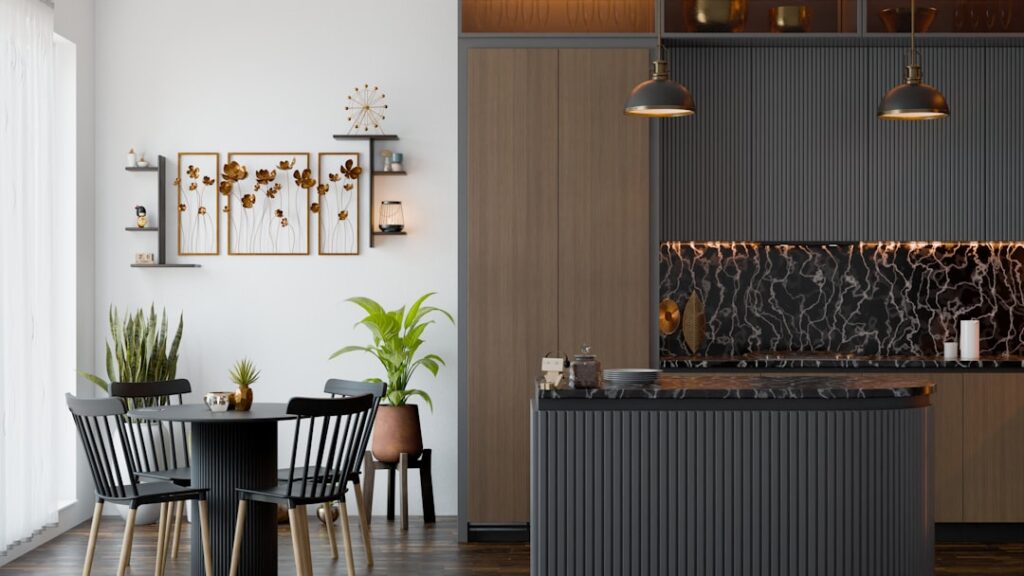
One reason PVC has shed its cheap reputation is the range of finishes now available. Solid PVC board takes a factory-applied laminate, foil, or acrylic face in nearly any color, from flat matte whites and warm grays to high-gloss lacquer looks and convincing woodgrain prints. Matte and textured finishes are the smart pick in a busy kitchen because they hide fingerprints that a glossy PVC face shows instantly under downlights.
Door styles are more flexible than people expect. Because the board machines cleanly, you can get flat slab fronts, shaker-style profiles routed into the face, and even handleless J-channel or gola designs. A few details separate a good PVC kitchen from a plasticky one: ask for edge-banded or seamless-wrapped edges rather than exposed cut lines, confirm the interior carcass color matches or complements the fronts, and choose a 1 mm or thicker edge band so daily wear does not peel it. If you want an integrated-handle look, verify the channel is milled into solid board, not glued-on trim that can loosen in a wet room over time.
Are PVC Kitchen Cabinets Worth It?
For a humid, coastal, flood-prone, or heavy-use wet space, PVC kitchen cabinets are absolutely worth considering. They solve the rot-and-swell problem that plagues wood, they wipe clean easily, and they resist termites and mold. The trade-offs are lower screw-holding strength, sensitivity to heat, and a slightly more synthetic feel than real wood. If you live in a dry climate and want maximum strength and resale appeal, plywood remains the smart default. But if your kitchen fights moisture every day, spending on quality solid PVC board with good hardware is one of the more practical upgrades you can make.