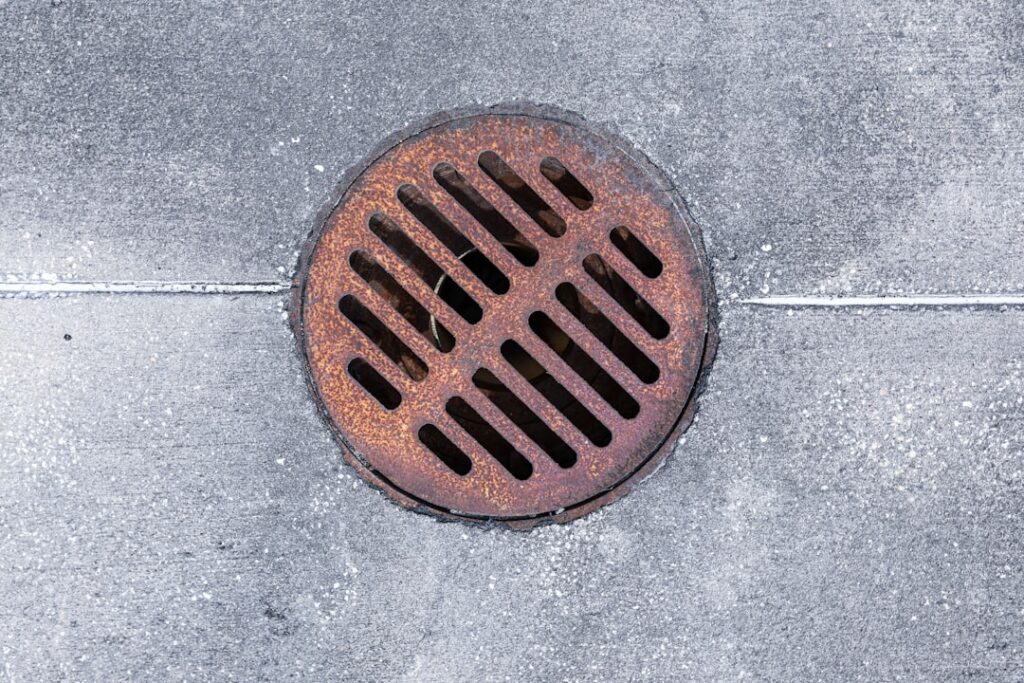
A pvc floor drain is the quiet workhorse of any wet area, channeling water safely away from showers, basements, laundry rooms, and garages before it can pool, seep, or cause damage. Made from rigid polyvinyl chloride, these drains are lightweight, corrosion-resistant, and affordable, which has made them a standard choice in modern residential plumbing.
While the concept is simple, a floor drain only works if it is the right type, sized correctly, and installed with proper slope and a code-compliant trap. This guide explains the main varieties, what to look for when buying, and how installation works, along with the points where bringing in a licensed plumber is the smart move.
What a PVC Floor Drain Does
The drain collects surface water at a low point in the floor and routes it into the waste plumbing. Most assemblies include a removable strainer or grate to catch debris, a body that connects to the drain line, and a trap that holds a small amount of water to block sewer gases from rising into the room.
That trap seal is essential. Without it, odors from the drainage system would vent straight into your living space. In areas that drain infrequently, the trap can dry out, which is why trap primers or periodic top-ups with water are sometimes recommended to keep the seal intact.
Common Types and Where They Go
Floor drains come in several configurations, and matching the type to the location is the first decision.
- Point drains: a square or round drain at a single low spot, common in basements, garages, and utility rooms.
- Linear or channel drains: a long slot drain ideal for curbless showers and large tiled areas where water sheets across the surface.
- Shower drains with clamping flanges: designed to bond with a waterproof membrane for tiled shower floors.
- Backwater-valve drains: include a flap that helps prevent sewer backflow, useful in flood-prone basements.
Consider how the surrounding floor will be finished. A tiled shower needs a drain compatible with your waterproofing system, while a bare concrete basement floor can use a simpler point drain.
Sizing and Slope
Drain capacity is governed by pipe diameter and the slope of the surrounding floor. Residential floor drains commonly tie into 2-inch or 3-inch lines, with larger sizes used where high volumes of water are expected. Undersizing leads to slow drainage and standing water.
Slope is just as important as size. The finished floor must pitch toward the drain so water flows rather than puddles; a common guideline for tiled shower floors is roughly a quarter inch of fall per foot toward the drain. The horizontal drain pipe itself also needs a consistent slope, typically around a quarter inch per foot, to keep solids moving and prevent clogs. Always confirm the exact requirements against your local plumbing code, since these vary by jurisdiction.
Code Compliance Matters
Floor drains are regulated by local plumbing codes, which dictate trap requirements, pipe sizing, venting, and where backwater protection is needed. Codes exist to protect against sewer gas, backflow, and contamination, so cutting corners here is never worth the risk.
Before you begin, check whether a permit is required and what your jurisdiction specifies for the installation. If you are tying into existing waste and vent lines, an error can affect the entire system, not just the drain. When the plumbing connections, venting, or backflow protection get complicated, a licensed plumber is the right call.
Installation Basics
For a typical point drain in new construction or a slab, the general sequence looks like this:
- Locate the drain at the lowest point and confirm the connection to the waste line below.
- Dry-fit all PVC components to verify alignment, slope, and fit before any cementing.
- Install the trap and connect the drain body to the line.
- Set the finished floor with proper pitch toward the drain.
- Install the strainer or grate flush with, or slightly below, the finished surface.
Joints are bonded with PVC primer and solvent cement, which chemically welds the fittings. These solvents are strong and give off fumes, so work in a well-ventilated space, follow the product instructions exactly, and wear appropriate eye and skin protection. Use the correct primer and cement rated for the pipe, and give joints adequate cure time before running water.
Choosing the Right Grate and Finish
The visible part of the drain is the strainer or grate, and it deserves more thought than most people give it. Standard stainless or chrome grates suit utility spaces, while tile-insert and slot-style grates blend into finished bathrooms by carrying the floor tile or a clean linear line across the drain. The choice affects both appearance and how easily debris is caught and cleaned.
Grate open area also matters for drainage speed. A grate with generous openings clears water faster but lets larger debris through, while a fine grate catches more but can clog sooner. For showers, look for a removable grate so you can reach the trap for cleaning. Matching the grate to the room keeps the drain functional without becoming an eyesore in a polished space.
Maintenance and Troubleshooting
Keep the strainer clear of hair, lint, and debris, since most clogs start at the surface. For drains that see little use, pour a cup or two of water down them periodically to refill the trap and stop sewer odors from creeping in. A musty or sewer-like smell near a floor drain is usually a sign of a dry or compromised trap.
If water drains slowly, the cause is often a partial clog or inadequate slope. Slow drainage that persists after clearing the strainer may point to a deeper blockage or a venting problem, both of which are worth a professional’s attention. Recurring basement flooding may call for a backwater valve, which is best evaluated by a plumber familiar with local conditions.
Final Thoughts
A well-chosen pvc floor drain is an affordable safeguard against water damage, but it only performs when sized, sloped, and connected correctly. Match the drain type to the room, respect the slope and code requirements, ventilate properly when working with solvent cement, and do not hesitate to bring in a licensed plumber for the trickier connections. The modest effort up front pays off every time water needs somewhere safe to go.
Prefer to explore on your own?
See how new flooring looks in your actual room in seconds — free, no signup.
Try the free Floor Studio →