PVC flooring planks have become one of the most popular choices for homeowners who want the look of wood with the toughness of a synthetic, waterproof surface. Made from polyvinyl chloride, the same durable plastic used in countless building products, these planks deliver a hard-wearing floor that shrugs off spills, scratches, and heavy foot traffic. If you are weighing your options for a kitchen, bathroom, basement, or busy living area, this guide breaks down exactly what to expect.
What PVC Flooring Planks Are
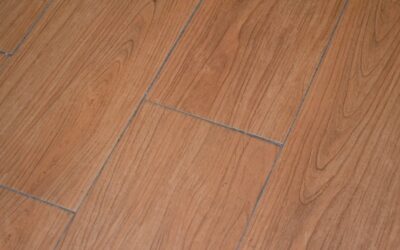
PVC planks are a type of resilient flooring built in layers. A printed design layer mimics the look of wood grain, stone, or tile, while a clear wear layer on top protects against scratches and scuffs. Beneath that sits a rigid or flexible PVC core that gives the plank its structure and its signature water resistance. The category overlaps heavily with what stores call luxury vinyl plank, or LVP, since vinyl flooring is essentially PVC-based.
The result is a plank that looks convincingly like hardwood from a normal standing distance but behaves nothing like it when water, pets, and kids enter the picture. That combination of realistic looks and practical performance is why PVC flooring keeps gaining ground in homes.
The Pros of PVC Planks
The appeal of PVC flooring comes down to a stack of practical advantages:
- Waterproof: The PVC core does not swell or warp when wet, making these planks suitable for bathrooms, kitchens, laundry rooms, and basements where real wood would fail.
- Durable: A tough wear layer resists scratches, dents, and stains, standing up well to pets, children, and high-traffic hallways.
- Affordable: PVC planks generally cost less than hardwood or natural stone, and click-together versions can be installed without hiring a pro.
- Comfortable and quiet: The material is warmer and softer underfoot than tile, and it dampens sound better than many hard surfaces.
- Low maintenance: Routine sweeping and damp mopping keep the floor looking good, with no sealing or refinishing required.
The Cons to Consider
No floor is perfect, and PVC planks come with trade-offs worth knowing before you commit:
- Not biodegradable: As a plastic product, PVC is not an eco-friendly option, and it is difficult to recycle at the end of its life.
- Can fade in sun: Prolonged direct sunlight may fade the print layer over time, so sun-drenched rooms benefit from blinds or UV-rated products.
- Hard to repair: While individual planks can be replaced, a deep gouge or burn usually means swapping the affected plank rather than spot-fixing it.
- Possible off-gassing: Some lower-quality products can emit a faint odor when new; choosing planks tested for low VOC emissions helps.
- Resale perception: PVC does not add value the way genuine hardwood can, even though it performs well day to day.
Types of PVC Planks
Not all PVC planks share the same construction, and the core type drives how the floor feels and where it works best.
- Flexible (glue-down) planks: Thinner and more pliable, these are adhered directly to the subfloor and work well over very flat surfaces.
- Rigid core SPC: Stone plastic composite planks have a dense, stable core mixed with limestone, making them resistant to dents and tolerant of minor subfloor imperfections.
- Rigid core WPC: Wood plastic composite planks use a slightly softer, foamier core that feels warmer and quieter underfoot.
- Click-lock floating planks: Available in rigid cores, these snap together edge to edge and float over the subfloor without glue, the easiest type for DIY.
For most homeowners installing it themselves, a rigid core click-lock plank offers the best mix of stability, comfort, and ease.
How Installation Works
One of the biggest draws of PVC planks is approachable installation, especially with click-lock systems. The planks float over a clean, dry, and level subfloor, locking together at the edges without nails or glue. Many products include an attached underlayment, or you can add a thin pad for extra cushioning and sound control.
Preparation makes or breaks the result. Acclimate the planks in the room for the time the manufacturer recommends, level any high or low spots in the subfloor, and leave a small expansion gap around the perimeter so the floor can move with temperature changes. Glue-down planks demand an especially flat surface since imperfections telegraph through. If your subfloor is uneven or your room layout is complex, hiring an installer is money well spent.
Caring for PVC Floors
Day-to-day upkeep is refreshingly simple, which is part of the appeal. Sweep or vacuum regularly to keep grit from acting like sandpaper on the wear layer, and damp-mop with a manufacturer-approved cleaner or a mild solution of water and a little dish soap. Skip steam mops, wax, and harsh abrasive cleaners, which can damage the finish or void the warranty.
A few protective habits extend the floor’s life considerably. Use felt pads under furniture legs, place mats at exterior doors to catch grit and moisture, and wipe up standing water promptly even though the floor is waterproof, since trapped water can eventually work into seams over many years. Lift heavy furniture rather than dragging it across the planks to avoid scuffs and gouges.
Where PVC Planks Work Best
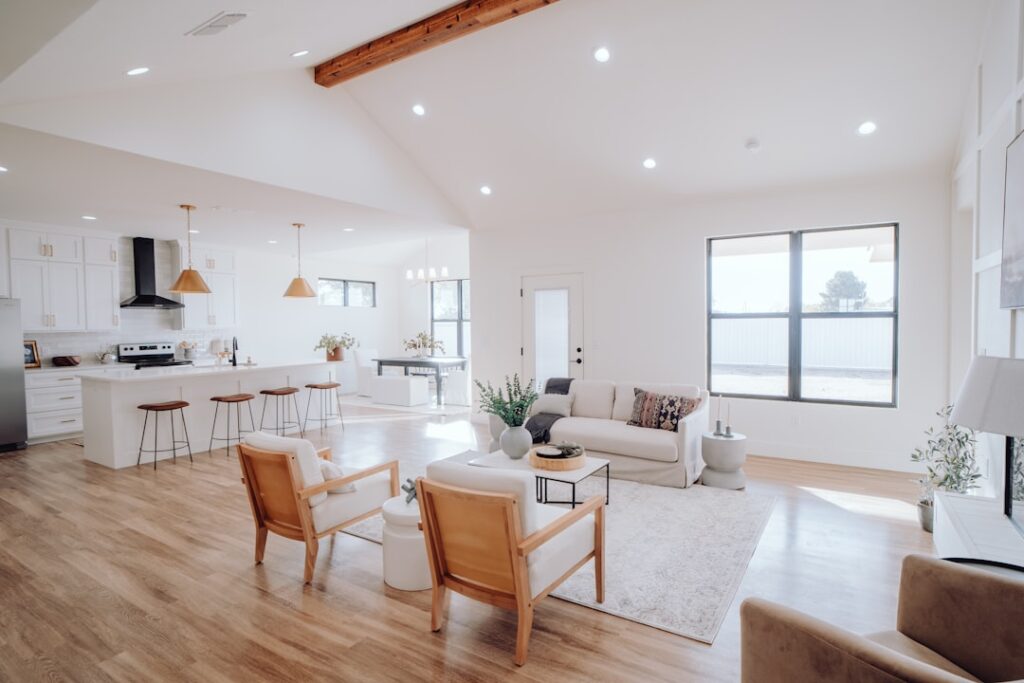
Because they are waterproof and forgiving, PVC planks suit rooms where wood and laminate struggle. Kitchens, full and half bathrooms, laundry rooms, mudrooms, and basements are prime candidates, since occasional spills and humidity will not warp the planks. They also perform well in high-traffic living areas, hallways, and homes with pets and children.
The main spaces to think twice about are rooms with intense, prolonged direct sunlight, where fading is a risk without a UV-rated product or window coverings, and sunrooms or enclosed porches with wide temperature swings, where expansion gaps and the right product rating become essential. For nearly every other room in the house, PVC planks are a dependable, low-fuss choice.
How to Buy the Right Planks
When you shop, focus on the specs that predict real-world performance rather than just the price tag. The wear layer thickness, measured in mils, is the best single indicator of durability: 12 mil suits light residential use, while 20 mil and above holds up in busy households and rentals. Thicker overall planks with rigid cores feel more solid and hide subfloor flaws better.
Check that the product is rated waterproof rather than merely water-resistant if you plan to install it in a wet area, and look for low-VOC certification for indoor air quality. Buy roughly 10 percent extra material to cover cutting waste and future repairs, and confirm the warranty covers residential use. With the right wear layer, a solid core, and careful subfloor prep, PVC flooring planks deliver a waterproof, good-looking floor that earns its keep for many years.
Prefer to explore on your own?
See how new flooring looks in your actual room in seconds — free, no signup.
Try the free Floor Studio →