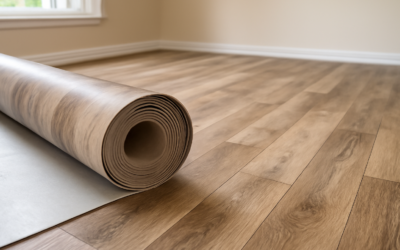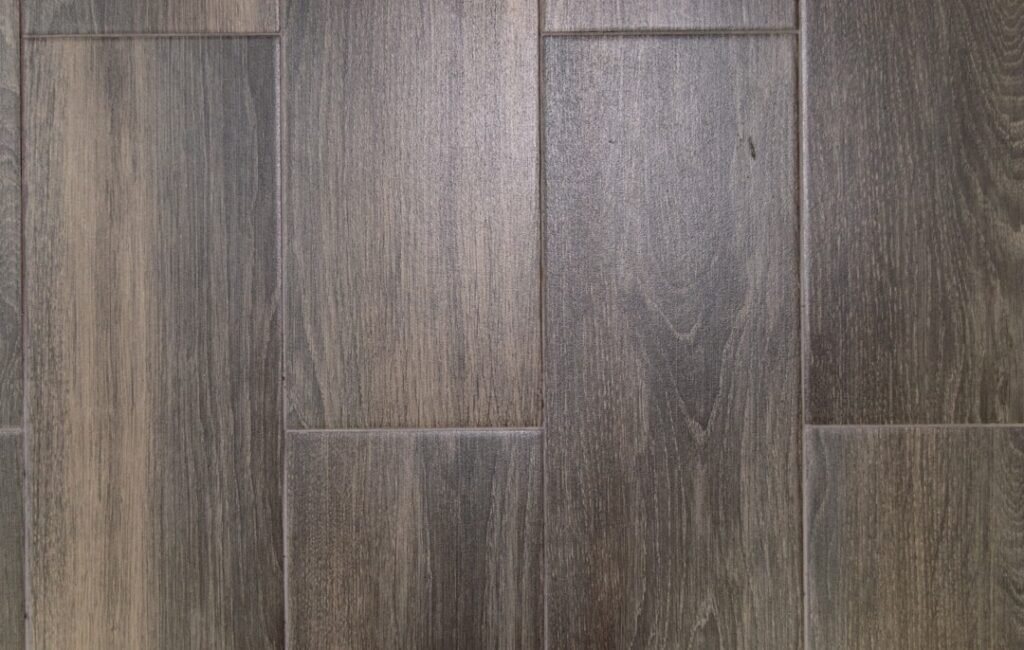
When you need durable, water-resistant flooring on a tight budget, a PVC vinyl flooring roll is one of the most practical options on the market. Sold in wide continuous sheets rather than individual planks or tiles, these rolls cover large areas with minimal seams, which is exactly why they show up in kitchens, laundry rooms, and rental units across the country. Expect to pay roughly $0.50 to $2.50 per square foot for the material itself, making sheet vinyl one of the cheapest resilient floors you can buy. This guide walks through how it is made, where it shines, where it falls short, and how to choose the right roll for your project.
What Is a PVC Vinyl Flooring Roll?
A PVC vinyl flooring roll is a sheet-format floor covering manufactured from polyvinyl chloride, the same base polymer used in luxury vinyl planks and tiles. The material comes off a factory line in long, flexible rolls that are then cut to length at the store or in your home. Standard roll widths in the US are 6 feet and 12 feet, with some specialty products offered in 13-foot 2-inch (4-meter) widths imported from European mills.
Most rolls are built in layers: a backing layer (often felt or fiberglass), a core, a printed design film that mimics wood, stone, or tile, and a clear wear layer on top. The wear layer is where durability lives, and it typically ranges from 6 mil to 20 mil in thickness. A thicker wear layer resists scratches and scuffs far better, which matters a great deal in busy households.
Pros of Sheet PVC Vinyl
The biggest draw is value. Very few flooring types deliver water resistance and a finished look for under $2 per square foot installed in some markets. Beyond price, there are several genuine advantages worth understanding.
- Water resistance: Because a roll covers a room in one or two large pieces, there are almost no seams for water to penetrate. This makes it a strong choice for bathrooms, mudrooms, and basements.
- Comfort underfoot: The flexible PVC and felt backing give a slight cushion that feels warmer and softer than ceramic tile or engineered wood.
- Low maintenance: A damp mop and a pH-neutral cleaner keep it looking new. No waxing, sealing, or refinishing is required over its lifespan.
- Quiet performance: Sheet vinyl absorbs sound better than hard tile, reducing the hollow clicking you get from some floating floors.
- Fast installation: A single 12-foot-wide roll can floor a small bedroom in an afternoon, especially with the loose-lay or perimeter-glue method.
Cons and Limitations to Weigh
No flooring is perfect, and sheet vinyl carries a few trade-offs that can be dealbreakers depending on your priorities. Being honest about these up front saves disappointment later.
- Harder to repair: Unlike a click-lock plank you can swap out, a gouge or burn in a sheet often means replacing the whole run or living with a visible patch.
- Resale perception: Buyers and appraisers view sheet vinyl as an economy material, so it rarely adds home value the way tile or hardwood does.
- Subfloor telegraphing: Because the sheet is thin and flexible, bumps, nail heads, or debris under it can show through as ridges over time.
- Seam management on wide rooms: Rooms wider than 12 feet require a seam, and seaming a roll cleanly takes skill and a seam-sealing kit.
- Environmental questions: PVC production and disposal raise concerns for some homeowners; look for FloorScore-certified rolls with low VOC emissions if indoor air quality matters to you.
Thickness, Wear Layer, and Quality Grades
When you shop, ignore the marketing names and look at two numbers: overall thickness and wear-layer thickness. Overall gauge usually runs from 2 mm on budget rolls to about 5 mm on premium fiberglass-backed products. The wear layer is the real durability spec.
Wear Layer Guide
- 6 to 8 mil: Light residential use, such as a guest bedroom or closet. Cheapest tier, often $0.50 to $1 per sq ft.
- 10 to 12 mil: Everyday family spaces like kitchens and hallways. Expect $1.25 to $1.75 per sq ft.
- 15 to 20 mil: High-traffic areas, homes with pets, or light commercial spaces. Runs $1.75 to $2.50 per sq ft.
Fiberglass-backed rolls hold flat better and resist curling at the edges compared with older felt-backed products. If your installer offers a fiberglass sheet at a modest premium, it is usually worth the upgrade for a cleaner long-term result.
Installation Methods Explained
Sheet vinyl can be installed three ways, and the method affects both cost and durability. Choosing correctly depends on room size, traffic, and whether you want a permanent or temporary floor.
Loose-Lay
The roll simply rests on the subfloor, held in place by its own weight and the walls. This works well in rooms under about 10 by 12 feet and makes future removal painless. It is the go-to for renters and DIYers.
Perimeter or Full-Spread Glue
For larger or higher-traffic rooms, adhesive is applied either around the edges or across the entire subfloor. Full-spread bonding with a troweled-on adhesive gives the most stable, professional result and prevents bubbling. Budget an extra $0.75 to $1.50 per sq ft for professional gluing labor.
Whichever method you pick, the subfloor must be clean, dry, and flat. Fill low spots with a leveling compound and sand down high spots, because every imperfection can eventually telegraph through the sheet.
How to Measure and Buy the Right Roll
Measure the room’s length and width at the widest points, then add 3 to 6 inches on each side for trimming. If your room exceeds the roll width, plan seam placement in a low-traffic, well-lit area and buy pattern-matched material so the design lines up. For a tile or wood-look pattern, always order a little extra to align the repeat across the seam.
A typical 12-by-15-foot room needs about 180 square feet of coverage. Buying a 12-foot-wide roll cut to 16 feet gives you clean single-piece coverage with trim allowance and no seam. Always confirm the roll comes from a single dye lot to avoid subtle color shifts between pieces.
PVC Roll vs. Luxury Vinyl Plank
Homeowners often compare a PVC vinyl flooring roll against click-together luxury vinyl plank (LVP). Sheet rolls win on price, seam-free water resistance, and speed over large open areas. LVP wins on realistic texture, easier spot repairs, and higher perceived value at resale. If you are flooring a basement laundry room, the roll makes sense; for a main-floor living area you plan to keep for a decade, LVP is often the better long-term investment.
Cleaning and Long-Term Care
Maintaining a PVC vinyl flooring roll takes little effort, which is part of its appeal. Sweep or vacuum regularly to remove grit that can dull the surface over time, and damp mop with a pH-neutral cleaner diluted in warm water. Skip harsh solvents, abrasive pads, and steam mops, since excessive heat and strong chemicals can degrade the wear layer or soften the adhesive at the seams.
Place felt pads under heavy furniture legs to prevent permanent indentations, and use walk-off mats at exterior doors to catch abrasive dirt before it reaches the floor. In sunny rooms, consider blinds or UV-filtering window film, because prolonged direct sunlight can fade the printed pattern over several years. With this basic routine, a mid-grade sheet floor commonly lasts 10 to 20 years before it needs replacement.
Final Buying Checklist
Before you commit, run through a short mental checklist. Confirm the wear layer matches your traffic level, verify the roll width covers your room without an unwanted seam, and choose fiberglass backing when your budget allows. Ask for a FloorScore or GREENGUARD certification if indoor air quality is a concern, and always order roughly 10 percent extra for trimming and future patches. With those boxes checked, a quality PVC vinyl flooring roll can deliver years of easy-care, water-resistant service at a price that is hard to beat. For most utility spaces and budget-conscious remodels, it remains one of the smartest dollars-per-square-foot choices a homeowner can make.
Prefer to explore on your own?
See how new flooring looks in your actual room in seconds — free, no signup.
Try the free Floor Studio →