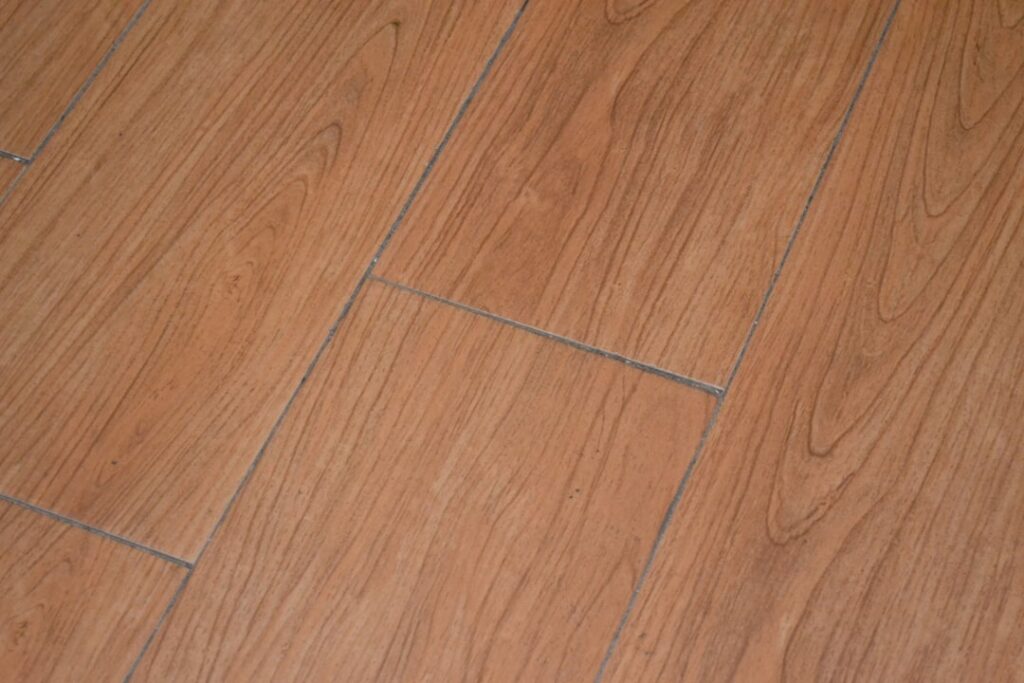
A pvc vinyl flooring sheet is one of the most budget-friendly waterproof floors you can buy, often costing just 0.50 to 2 dollars per square foot for the material. Sold in wide rolls, usually 6 or 12 feet across, it covers a room with very few seams, which is exactly why it remains a favorite for kitchens, bathrooms, and laundry rooms. This guide breaks down how it is built, where it shines, where it falls short, and how to choose the right roll.
What Is PVC Sheet Vinyl?
Sheet vinyl is a continuous flooring material made primarily from polyvinyl chloride, or PVC, layered with a printed design film and a clear protective wear layer on top. Because it comes in a single large roll rather than individual planks or tiles, a typical room can be covered with one piece and no interior seams. That continuous surface is what makes it so effective at keeping water out.
Most modern sheet vinyl uses a felt or fiberglass backing. Fiberglass-backed sheet tends to lie flatter, resists curling, and can often be loose-laid, while felt-backed sheet is usually glued down fully. The printed layer can mimic wood planks, stone, tile, or abstract patterns convincingly enough to fool a casual glance.
The Pros of PVC Vinyl Sheet
- Waterproof by design. With few or no seams, water has almost nowhere to penetrate. This makes it ideal for bathrooms, mudrooms, and basements.
- Low cost. Sheet vinyl is among the least expensive resilient floors available, both in material and installation.
- Comfortable underfoot. The flexible PVC and backing give a slight cushion that feels warmer and softer than tile or stone.
- Easy to clean. A smooth, sealed surface wipes down with a damp mop and mild cleaner. There are no grout lines to scrub.
- Quiet. The material absorbs sound, so footsteps are softer than on hard tile or laminate.
The Cons to Consider
- Can be punctured or torn. Sharp objects, dragged appliances, and heavy furniture legs can dent or cut the surface.
- Hard to patch. Because it is a single sheet, a damaged area usually cannot be invisibly repaired. Replacement often means redoing the whole room.
- Subfloor shows through. Any bump, nail head, or debris under the sheet can telegraph through as a visible lump, so the subfloor must be clean and smooth.
- Lower resale appeal. Buyers often perceive sheet vinyl as a budget material compared with tile or luxury vinyl plank.
- Sensitive to heavy heat and sunlight. Prolonged direct sun can fade the print, and extreme heat can soften the material.
How to Read the Specs
When you compare rolls, two numbers matter most. The first is overall thickness, measured in millimeters. Thicker sheet feels more substantial and hides minor subfloor imperfections better. The second, and more important, is the wear layer, the clear top coating that resists scuffs and abrasion. A thicker wear layer, often measured in mils, means a longer life in busy areas. For a high-traffic kitchen, look for a wear layer on the higher end of what the manufacturer offers.
Also check the width. A 12-foot roll can cover most bedrooms and many kitchens seamlessly, while a 6-foot roll may require a seam in larger rooms. Fewer seams means better water resistance and a cleaner look.
Installation Basics
Sheet vinyl can be installed in three main ways:
- Full glue-down. Adhesive is spread across the entire subfloor. This is the most secure method and is common for felt-backed sheet and high-traffic rooms.
- Perimeter or loose-lay. Fiberglass-backed sheet can sometimes be secured only at the edges or with double-sided tape, which simplifies future replacement.
- Seam-sealed sections. In large rooms, two pieces are joined and the seam is chemically welded with a seam sealer for a watertight bond.
Whatever the method, preparation is everything. The subfloor must be clean, dry, flat, and free of debris. Many installers add a thin underlayment or skim-coat any low spots so imperfections do not show. Cutting the sheet to fit around toilets, cabinets, and doorways takes patience and a sharp utility knife, so many homeowners template the room with paper first.
Cost Expectations
Material commonly runs from about 0.50 to 2 dollars per square foot, with premium fiberglass-backed products reaching slightly higher. Professional installation typically adds another 1 to 3 dollars per square foot depending on subfloor prep and room complexity. For a small bathroom, a do-it-yourself install can come in remarkably cheap, which is a big part of the appeal. Always buy a little extra so you can match the pattern if a future repair is needed.
Sheet Vinyl vs Luxury Vinyl Plank
People often weigh sheet vinyl against luxury vinyl plank, or LVP. Sheet wins on price and on seamless water resistance, making it the practical choice for full bathrooms and laundry rooms on a budget. LVP wins on realism, repairability, and resale appeal, since a single damaged plank can be swapped out. If your priority is the lowest cost and maximum waterproofing in a small wet room, sheet is hard to beat. If you want a premium look in a living space and the ability to fix one spot, lean toward plank.
Where PVC Sheet Vinyl Works Best
This flooring is at its best in rooms where water and budget are the top concerns. Bathrooms, half baths, laundry rooms, mudrooms, kids’ play areas, and rental units are all natural fits. It is less ideal in formal living rooms or in homes where buyers expect higher-end finishes, and it is a poor match for spaces with very heavy rolling loads or frequent furniture moves.
Final Thoughts
A PVC vinyl flooring sheet delivers waterproof performance, comfort, and a low price in one roll. Its weaknesses, mainly the difficulty of repairs and its budget reputation, are real but manageable when you pick the right room and a solid wear layer. Prepare the subfloor carefully, choose a 12-foot width when you can to avoid seams, and buy a little extra material. Do that, and you will get a clean, easy-care floor that holds up well for many years in the spaces that need water resistance the most.
Prefer to explore on your own?
See how new flooring looks in your actual room in seconds — free, no signup.
Try the free Floor Studio →