Quartz counters look brand new for years — right up until a hazy film of soap residue and hard-water spots creeps across the surface. The right quartz countertop cleaner and polish routine is what separates a counter that gleams from one that looks perpetually cloudy. Because engineered quartz is bound with polymer resin rather than being solid stone, the products that work on granite or marble are not always safe here. This guide explains what to use daily, which polishes genuinely restore shine, the DIY mixes that cost pennies, and the habits that keep the surface streak-free.
Part of our Countertops guide — explore the full guide →
- How Quartz Differs From Natural Stone
- Daily Cleaning: Keep It Simple
- Choosing a Commercial Quartz Cleaner
- What a Polish Actually Does
- Safe DIY Cleaning and Polishing Mixes
- Removing Streaks and Cloudy Buildup
- Habits That Protect the Finish
- A Simple Long-Term Care Schedule
- Cleaning Different Quartz Finishes
- Disinfecting Quartz Safely
- Seasonal Deep Cleaning and Renewal
How Quartz Differs From Natural Stone
Understanding the material guides every cleaning choice. Quartz is roughly 90 percent ground natural quartz combined with about 10 percent resin and pigment, pressed and cured into slabs. That resin makes the surface non-porous, so unlike granite or marble it never needs sealing. But the resin is also sensitive to harsh chemicals and high heat. This is why a dedicated quartz countertop cleaner and polish matters — products formulated for natural stone can be too acidic or too abrasive, gradually etching or dulling the finish that gives quartz its signature glossy look.
Daily Cleaning: Keep It Simple
For everyday cleaning, you do not need anything fancy. Warm water, a couple of drops of mild dish soap, and a soft microfiber cloth remove the vast majority of kitchen messes. Wipe in a circular motion, then follow with a clean damp cloth to rinse and a dry cloth to buff away streaks. The drying step is what most people skip, and it is exactly what prevents water spotting on the surface. For a light disinfecting pass, a 50/50 mix of water and 70 percent isopropyl alcohol in a spray bottle is safe and leaves no residue. This simple routine, done consistently, keeps buildup from ever starting.
Choosing a Commercial Quartz Cleaner
When you want a purpose-made product, several brands formulate cleaners specifically for engineered quartz. These are pH-balanced to avoid etching and often leave a light protective sheen. Look for products explicitly labeled for quartz or engineered stone rather than generic stone cleaners. Spray-and-wipe daily cleaners handle routine maintenance, while dedicated polishes are meant for occasional shine restoration. Keep these guidelines in mind when shopping:
- Choose cleaners labeled specifically for quartz or engineered stone.
- Avoid anything containing bleach, ammonia, or high-pH degreasers.
- Prefer streak-free formulas that need no rinsing for daily use.
- Pick a separate polish for periodic shine rather than daily application.
- Test any new product on an inconspicuous corner first.
What a Polish Actually Does
A quartz polish is not the same as a cleaner. Cleaners remove dirt; polishes fill microscopic dullness and leave a thin protective layer that boosts reflectivity and helps repel fingerprints and water. Applied every few weeks, a good quartz polish restores that showroom sheen and makes daily wiping easier because spills bead up more readily. Spray a light mist, spread it evenly with a microfiber cloth, and buff to a shine — a little goes a long way, and over-applying leaves a film. Polish is optional but noticeable; counters that get an occasional polish simply look richer and cleaner than those that only ever see soap and water.
Safe DIY Cleaning and Polishing Mixes
You can keep quartz immaculate for pennies with homemade solutions, as long as you avoid acidic ingredients. A basic daily spray combines warm water with a few drops of dish soap. For disinfecting and cutting light grease, the water-and-isopropyl-alcohol blend works beautifully and dries fast. To lift a dull film, a paste of baking soda and water applied gently, then wiped away, helps without scratching. For a DIY shine, buffing the dry counter with a microfiber cloth after cleaning does most of the work — a tiny amount of food-grade mineral oil on a cloth can add temporary luster, though commercial polishes last longer. Never mix in vinegar, lemon juice, or bleach.
Removing Streaks and Cloudy Buildup
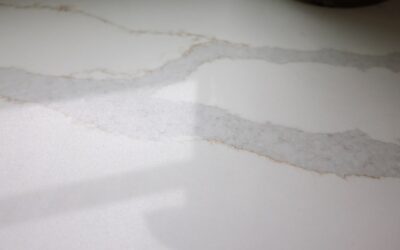
Streaks and haze almost always come from one of two sources: leftover cleaning product or hard-water minerals. If your counter looks cloudy right after cleaning, you are likely using too much soap or not rinsing. Re-clean with plain water, then buff completely dry with a fresh microfiber cloth. For mineral haze around the sink and faucet, lay a cloth dampened with a quartz-safe cleaner over the spot to soften the deposit, then wipe gently and dry. Switching to distilled water for the final wipe eliminates the minerals that cause spotting in hard-water homes. The finishing dry buff is non-negotiable for a streak-free result.
Habits That Protect the Finish
Cleaning is only half the battle; protecting the surface keeps it needing less work. Quartz resists heat far less than people assume — sustained temperatures above roughly 300°F can scorch or discolor the resin — so always use trivets under hot pots, pans, and countertop appliances like slow cookers. Use cutting boards to prevent fine scratches in the polish, and blot acidic or pigmented spills like wine, coffee, and citrus promptly rather than letting them sit. Keep aggressive chemicals well away from the surface. These simple habits mean your cleaner and polish routine stays quick because there is never serious buildup or damage to fight.
A Simple Long-Term Care Schedule
Put it all together into a rhythm and the counters practically maintain themselves. Wipe spills as they happen and do a soap-and-water clean daily. Once a week, run the alcohol-and-water disinfecting pass and dry thoroughly. Every few weeks, apply a dedicated polish to restore shine and reinforce water resistance. Address any hard-water haze the moment you notice it rather than letting it build. Followed consistently, this quartz countertop cleaner and polish routine keeps engineered stone looking exactly like the day it was installed — glossy, streak-free, and hygienic — for the entire life of the countertop, with only a few minutes of effort each week.
Cleaning Different Quartz Finishes
Quartz comes in more than one finish, and the surface texture changes how you clean it. Polished quartz, the glossy finish most kitchens have, shows fingerprints and water spots readily but wipes clean easily and takes polish beautifully. Honed or matte quartz has a soft, non-reflective surface that hides water spots but shows fingerprints, grease smudges, and metal marks more visibly, so it often needs more frequent wiping with a degreasing pass. Textured or leathered finishes have subtle peaks and valleys that can trap grime in the low spots, calling for a soft brush rather than a flat cloth to reach into the texture. Match your cleaning tool to the finish — a flat microfiber cloth for polished surfaces, a soft-bristle brush for textured ones — and you will keep every type looking its best without frustration.
Disinfecting Quartz Safely
Keeping a food-prep surface germ-free matters, but the disinfecting method has to respect the resin. The safest and most effective option is the 50/50 isopropyl alcohol and water spray, which sanitizes without leaving residue or harming the finish. Let it sit on the surface for a minute before wiping so it has time to work. Avoid straight bleach and ammonia-based disinfectants, which many people reach for out of habit — repeated use can lighten the pigment and dull the sheen. If you prefer a store-bought disinfecting product, choose one specifically labeled as safe for quartz or engineered stone. After disinfecting around raw meat or heavy messes, follow with a plain-water wipe and a dry buff so no cleaning residue lingers on the surface where food is prepared.
Seasonal Deep Cleaning and Renewal
Alongside the daily and weekly routine, a periodic deep clean keeps quartz looking its absolute best. Every few months, clear the counters completely and give the whole surface a thorough cleaning, paying attention to the areas around the sink, cooktop, and backsplash seam where grime accumulates. Work a baking soda paste gently into any dull or filmy spots, wipe clean, and rinse. Inspect the caulk line where the counter meets the backsplash and the sink, cleaning any mildew and re-caulking if it has cracked or discolored. Finish with a dedicated polish across the entire surface to restore uniform shine and reinforce water resistance. This seasonal renewal takes under an hour and, combined with the everyday quartz countertop cleaner and polish habits, ensures your engineered stone stays flawless and glossy for decades of daily use.