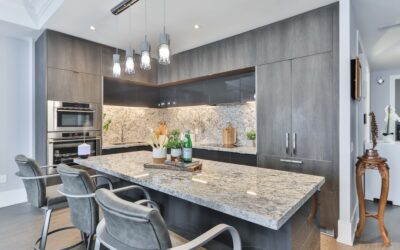
Choosing among the many quartz countertop edges is one of the final and most impactful decisions in a kitchen or bathroom project. The edge profile shapes how your countertop looks, feels, and even how easy it is to clean and how safe it is around children. Two identical slabs can look entirely different depending on whether they finish in a simple eased edge or a dramatic ogee. This guide walks through every popular edge style, its cost, durability, and which profile fits your design and budget.
Part of our Countertops guide — explore the full guide →
- Why the Edge Profile Matters
- Standard (Included) Edge Profiles
- Rounded Edge Profiles
- Angled and Decorative Edge Profiles
- Mitered and Thick Edges
- Cost of Different Edge Profiles
- Durability and Maintenance by Edge
- How to Choose the Right Edge
- Coordinating Edges Throughout the Home
- How Fabricators Create the Edge
- Edges for Bathrooms and Special Applications
- Trends in Quartz Edges
- Final Thoughts
Why the Edge Profile Matters
The edge is where the eye lands and where your hands rest, so it carries more visual weight than its small size suggests. A crisp, squared edge reads modern and minimalist, while a rounded or carved edge feels traditional and soft. Beyond aesthetics, the profile affects practical things: rounded edges resist chipping and are safer for kids, while intricate carved edges collect crumbs and take more effort to wipe. Because the fabricator shapes the edge from the same solid quartz, the profile is permanent, so it’s worth understanding your options before you commit.
Standard (Included) Edge Profiles
Most fabricators include one or two basic edges in the base slab price:
- Eased edge: A squared-off edge with the sharp corner very slightly softened. Clean, modern, and the most popular contemporary choice. Usually included at no extra cost.
- Straight (square) edge: A crisp 90-degree edge with minimal rounding for the sharpest modern look.
- Quarter round: A gently rounded top edge that softens the profile while keeping a simple look.
These profiles are the safest bet for budget-conscious remodels and pair beautifully with today’s clean, handleless cabinetry.
Rounded Edge Profiles
Rounded edges are timeless, family-friendly, and resist chipping:
- Bullnose: A fully rounded top and bottom, creating a smooth half-circle profile. Very forgiving and easy to wipe, popular in traditional kitchens.
- Half bullnose: Rounded on the top edge only with a flat bottom, offering a softer look than eased while keeping a defined underside.
- Demi bullnose: A subtler version of the half bullnose with a gentler curve.
Rounded profiles are ideal for homes with young children because there are no sharp corners to bump into, and they hide minor wear well.
Angled and Decorative Edge Profiles
For more character, angled and carved edges add definition:
- Beveled edge: A flat 45-degree angle cut into the top edge, giving a crisp, faceted look that catches light. Popular in both transitional and traditional designs.
- Ogee: An elegant S-shaped curve that’s the hallmark of formal, traditional kitchens. Dramatic but requires more cleaning attention in the grooves.
- Cove and dupont: Combinations of a flat drop and a concave or stepped curve for a custom, high-end appearance.
- Waterfall (not to be confused with waterfall island): Cascading decorative profiles for luxury installations.
Mitered and Thick Edges
To make a standard countertop look like a thick, solid slab, fabricators use a mitered edge:
- Mitered edge: Two pieces of quartz joined at a 45-degree angle to create the illusion of a thick 2-inch, 4-inch, or even 6-inch slab from standard 3-centimeter material.
- Laminated edge: A second strip of quartz glued under the front edge to build up thickness, a more affordable way to achieve a chunky look.
Mitered edges are on-trend for modern waterfall islands and dramatic kitchen designs, but they add significant labor cost and require skilled fabrication to keep the seam nearly invisible.
Cost of Different Edge Profiles
Edge cost is priced per linear foot on top of your slab price:
- Eased, straight, quarter round: Usually included in the base price.
- Bullnose and half bullnose: $0 to $10 per linear foot, sometimes included.
- Beveled edge: $10 to $20 per linear foot.
- Ogee and decorative: $20 to $40 per linear foot.
- Mitered thick edge: $30 to $70 or more per linear foot due to the extra material and labor.
For a typical kitchen with 25 to 30 linear feet of edge, upgrading from an eased to an ogee profile can add several hundred dollars to the project.
Durability and Maintenance by Edge
Quartz is extremely durable, but the edge profile affects long-term wear:
- Rounded edges resist chipping best because there’s no vulnerable sharp corner.
- Square and eased edges are more prone to small chips if struck hard, though quartz’s density makes this rare.
- Decorative edges like ogee have grooves that trap crumbs and require more thorough wiping.
- All quartz edges are non-porous and never need sealing, unlike natural stone.
How to Choose the Right Edge
Match the edge to your overall design and lifestyle:
- Modern kitchens: Eased, straight, or mitered thick edges.
- Traditional kitchens: Ogee, bullnose, or beveled.
- Homes with young children: Bullnose or half bullnose for rounded safety.
- Tight budgets: Stick with the included eased or straight edge.
- Statement islands: Mitered waterfall edges for a luxury focal point.
Always ask your fabricator for physical edge samples and view them on the actual quartz color you’ve chosen, since the profile reads differently on light versus dark stone.
Coordinating Edges Throughout the Home
For a cohesive look, many designers use the same edge profile on the kitchen counters, island, and bathroom vanities. However, some homeowners choose a simpler edge on hardworking kitchen counters and a more decorative profile on a powder-room vanity for a touch of elegance. There’s no wrong answer, but consistency generally reads as more intentional and higher-end.
How Fabricators Create the Edge
Understanding the process helps you appreciate why decorative edges cost more. After the slab is cut to your template, the fabricator profiles the exposed edges using CNC machines or hand-held routers fitted with diamond-tooled bits shaped to each profile. The edge is then progressively polished through a series of finer grits until it matches the sheen of the top surface. Simple eased edges take a single pass, while an ogee or mitered edge requires multiple tooling steps and careful hand finishing—which is exactly why the per-linear-foot price climbs. On mitered edges, the two mating pieces must be glued with color-matched adhesive and clamped precisely so the seam nearly disappears, a skill that separates good fabricators from great ones.
Edges for Bathrooms and Special Applications
Countertop edges aren’t only a kitchen decision. In bathrooms, softer rounded profiles like bullnose or half bullnose are popular on vanities because they’re gentle on hips and children and shed water well. On a bar top or a raised eating counter, a comfortable eased or bullnose edge feels better against forearms during long meals. For an outdoor kitchen or a laundry counter, durability trumps ornamentation, so a simple eased edge that resists chipping is usually the smart pick. Matching profiles across rooms creates cohesion, but tailoring the edge to how each surface is used is perfectly reasonable.
Trends in Quartz Edges
Edge fashions shift over time. Right now, the clear favorite is the crisp, minimal look—eased and straight edges dominate contemporary kitchens, and the chunky mitered edge that mimics a thick slab is the standout luxury trend, especially paired with a waterfall island where the quartz cascades to the floor. The ornate ogee that ruled traditional kitchens a decade ago has cooled in popularity but remains the right choice for formal, classic spaces. Choosing a timeless profile like eased or a gentle bullnose is the safest bet if you want your counters to feel current for the long haul rather than tied to a passing trend.
Final Thoughts
Quartz countertop edges are the finishing detail that ties your entire installation together, balancing beauty, safety, cleaning ease, and cost. From the budget-friendly eased edge to the luxurious mitered slab and the classic ogee, each profile sends a different design message. Request samples, consider who uses the space, and weigh the per-linear-foot upgrade against your budget. Get the edge right and your durable, low-maintenance quartz countertops will look polished and intentional for decades to come.