When you are standing in a showroom trying to pick a countertop, the two names that come up again and again are quartz and granite, and the differences are easy to blur together. A side-by-side quartz vs granite chart cuts through the sales pitch and lets you compare the two on the things that actually affect your kitchen: cost, durability, maintenance, appearance, and heat resistance. Both are excellent, premium surfaces that will outlast laminate and butcher block by decades, but they are fundamentally different materials, and the right choice depends on how you cook, clean, and live.
Part of our Countertops guide — explore the full guide →
This guide lays out the comparison clearly, then explains what each difference means in real-world use so you can decide with confidence.
The Core Difference: Natural vs. Engineered
Everything else flows from one fact. Granite is a 100 percent natural stone, quarried in slabs and cut to fit, so every piece is unique and slightly porous. Quartz is engineered, made from roughly 90 to 95 percent ground natural quartz mineral bound with resins and pigments, which makes it non-porous and highly consistent from slab to slab. Granite gives you the character of real stone with natural variation; quartz gives you predictability and a sealed, low-maintenance surface. Neither is objectively better, but this natural-versus-manufactured distinction drives every practical difference below.
Quartz vs Granite: The Comparison Chart
Here is the head-to-head on the factors that matter most to homeowners:
- Material: Granite = natural quarried stone. Quartz = engineered stone (quartz + resin).
- Cost installed: Both typically run about $50 to $120+ per square foot installed; exotic granite and premium quartz push higher.
- Durability: Both very hard and scratch-resistant; granite is slightly harder but can chip, quartz is more flexible and less prone to chipping.
- Maintenance: Granite needs periodic sealing (often yearly); quartz needs none, ever.
- Stain resistance: Quartz wins, non-porous and highly stain-resistant. Granite can stain if unsealed.
- Heat resistance: Granite wins, handles hot pans better. Quartz resin can scorch or discolor from high heat.
- Appearance: Granite offers unique natural patterns; quartz offers consistent color and marble-look designs.
- Water/bacteria resistance: Quartz is non-porous and more hygienic; sealed granite is fine but porous by nature.
- Outdoor use: Granite is UV-stable; quartz can fade and is not recommended outdoors or in direct sun.
Read that chart and a pattern emerges: quartz wins on maintenance, stains, and hygiene, while granite wins on heat and natural beauty. The rest is close.
Cost: Closer Than You Think
Many homeowners assume one is far cheaper, but installed pricing overlaps heavily. Both commonly land in the $50 to $120 per square foot installed range, with a typical kitchen of 40 to 50 square feet running a few thousand dollars either way. Granite prices swing with rarity, common colors are affordable while exotic imported slabs cost a premium, and quartz prices vary by brand and design, with high-end marble-look patterns commanding top dollar. In practice, budget is rarely the deciding factor between the two; you can find both at similar price points.
Maintenance and Durability in Daily Use
This is where quartz makes its strongest case. Because it is non-porous, quartz never needs sealing, resists stains from wine, coffee, and oil, and does not harbor bacteria, so a simple wipe with mild soap and water keeps it pristine. Granite, being porous, should be sealed on installation and resealed periodically, roughly once a year depending on the stone, to prevent staining and etching. If you forget, a spill can soak in.
On durability, both are extremely tough and will resist everyday scratches. Granite is marginally harder but its natural crystalline structure means edges and corners can chip under a sharp impact, whereas quartz’s resin gives it slightly more flexibility and chip resistance. For most kitchens, both will last a lifetime with reasonable care.
Heat Resistance: Granite’s Advantage
Here granite pulls ahead. As pure stone, it can take a hot pot straight off the burner without damage, though using trivets is still wise to protect any sealer. Quartz contains resin that can scorch, yellow, or discolor when exposed to high heat, so you must use trivets and hot pads and never set a hot pan directly on it. If you are a heavy cook who frequently moves hot cookware around, granite is the more forgiving surface, while quartz demands a bit more discipline.
Appearance and Style
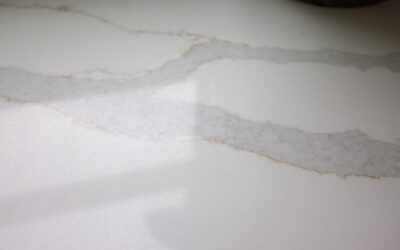
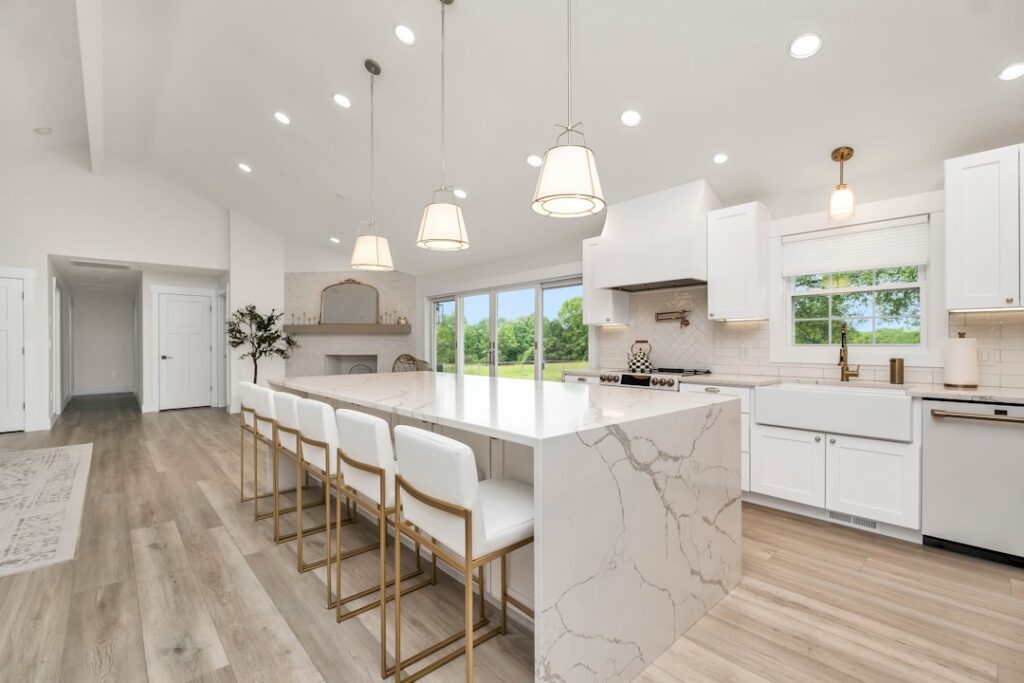
Aesthetics often decide it. Granite delivers one-of-a-kind natural patterns, veining, flecks, and movement no two slabs share, so you get a genuinely unique countertop, though you must approve the actual slab since photos vary. Quartz offers consistency and control: uniform color across the whole kitchen and a huge range of designs including convincing marble-look patterns that give you the white Carrara aesthetic without marble’s fragility. If you love natural stone character, choose granite; if you want a specific, predictable, seamless look, quartz is easier to plan around.
Which Should You Choose?
Match the material to your priorities. Choose quartz if you want the lowest maintenance, best stain and bacteria resistance, a consistent modern look, or a marble appearance without the upkeep, ideal for busy families and anyone who wants to wipe and forget. Choose granite if you value natural, unique stone, superior heat resistance, or plan an outdoor kitchen where quartz would fade. Both are premium, long-lasting surfaces that add real value to a home, so there is no wrong answer, only the one that fits how you actually use your kitchen.
Resale Value and Longevity
Both surfaces are strong selling points when it comes time to list a home, so resale rarely tips the scale between them. Buyers recognize quartz and granite as premium upgrades over laminate or tile, and either signals a quality kitchen. Quartz has gained ground in recent years because many buyers value its low-maintenance, contemporary look and consistent color, while granite retains a loyal following among those who prize natural stone and its heat tolerance. In terms of longevity, both can last thirty years or more with basic care, so you are not choosing a short-term surface either way. The practical differences that matter over that lifespan come back to the chart: with granite you commit to periodic resealing and gain worry-free heat resistance, while with quartz you skip sealing entirely but must guard against hot pans and prolonged direct sun. Think about which of those trade-offs fits your habits, because you will live with it for decades. There is genuinely no wrong answer here; both add lasting value and durability, and the winner is simply whichever aligns with how you cook and how much upkeep you want to do.
Final Thoughts
A clear quartz vs granite chart shows that these two surfaces trade wins rather than one dominating: quartz for low maintenance, stains, and hygiene, granite for heat resistance and natural beauty, with cost roughly a wash. Decide what matters most in your kitchen, whether that is effortless upkeep or the character of real stone, and you will land on the right countertop with confidence and enjoy it for decades.