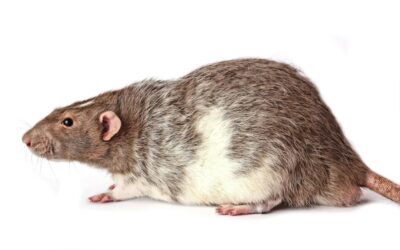
A single breeding pair of Norway rats can produce 1,500 descendants in a year given uninterrupted shelter and food. By the time you spot droppings in the pantry, the colony is already established somewhere in your walls or crawlspace. Effective rat proofing is about exclusion first, sanitation second, and trapping last, in that exact order.
Part of our Roofing guide — explore the full guide →
Most pest control companies skip the exclusion work because it is labor intensive and unglamorous. They sell you a maintenance contract instead. Done right, exclusion is a one-time investment that ends the rat problem permanently and protects your home from squirrels, mice, snakes, and bats at the same time.
Understand How Rats Get In
An adult Norway rat squeezes through any gap larger than 1/2 inch. A roof rat needs only 1/4 inch. They are excellent climbers, jumpers, and chewers. Common entry points in residential homes:
- Gaps around plumbing penetrations under sinks and behind toilets
- Crawlspace vents with damaged or missing screens
- Garage door rubber seals that no longer reach the floor
- Roof junctions where two rooflines meet (called valleys)
- Chimney caps that are missing or damaged
- Dryer vent flaps stuck open or torn
- Foundation cracks wider than 1/2 inch
- Where utility lines (cable, gas, electric) enter the building
Most homes have 8 to 15 viable entry points. Sealing all of them is the cornerstone of any successful rat-proofing project.
The Right Materials for the Job
Rats chew through wood, plastic, fiberglass, drywall, and even soft mortar. The materials that defeat them:
- 1/4 inch hardware cloth: Galvanized steel mesh, the gold standard for vents and large gaps
- Copper mesh (Stuf-fit): Stuffs into pipe penetrations, cannot be chewed through
- Steel wool: Cheaper than copper but rusts; use indoor only
- Hydraulic cement: For sealing foundation cracks permanently
- Sheet metal flashing: Wrapping around the base of wood structures
- Galvanized rodent screen door sweeps: Replace rubber sweeps that wear out
Avoid expanding spray foam alone. Rats chew through it like cake. Use it only as a backer behind copper mesh or hardware cloth.
Inspect Methodically From Bottom to Top
Walk your house with a flashlight and a notebook. Start at the foundation and work upward. Mark every gap larger than a pencil. Common findings:
- Foundation perimeter: Look for cracks, missing mortar, gaps where siding meets concrete.
- Crawlspace vents: Check that screens are intact and not torn at corners.
- Garage door: Close it and look for daylight at the corners and along the bottom seal.
- Utility entries: Every pipe, wire, and HVAC line passing through a wall is a potential entry.
- Roofline: Walk around outside and look at fascia boards, soffit vents, and chimney flashing.
- Attic vents: Gable vents and turbine vents are notorious entry points.
Take photos of each finding. The list quickly grows longer than memory can hold.
Sealing the Most Common Entry Points
Three repairs catch the majority of infiltrations:
Plumbing Penetrations
Under every sink and behind every toilet, drain pipes pass through the floor or wall. The hole is usually 1.5 inches but the pipe is 1.25 inches, leaving a quarter-inch gap straight to the wall cavity. Stuff copper mesh tightly around the pipe, then cover with a foam sealant or escutcheon plate.
Garage Door Seals
Replace worn rubber seals with fresh OEM bottom seals or a brush-style threshold. The Garadry threshold ($60-$120) glues to the concrete and seals the door at the bottom permanently, also stopping wind, water, and leaves.
Crawlspace Vents
Replace torn screens with 1/4 inch galvanized hardware cloth, anchored with stainless steel screws and washers. If you have automatic foundation vents, confirm the screens behind the louvers are intact.
Sanitation Cuts Off the Food Supply
Even with perfect exclusion, easy food keeps rats interested. Address these sources:
- Pet food stored in metal cans, not bags
- Bird feeders moved away from the house, with seed catchers underneath
- Compost bins with tight-fitting lids and rat-proof bottoms
- Trash cans with locking lids, stored away from the house when possible
- Fallen fruit collected daily during apple, pear, and citrus season
- BBQ grills cleaned thoroughly after each use
Inside, store flour, sugar, rice, and pasta in glass or thick plastic containers, not original cardboard boxes. Rats sniff out grain through paper packaging in seconds.
Yard and Landscape Management
Outdoor habitat invites the rats that are looking for a way into your home. Reduce harborage:
- Trim tree branches at least 4 feet away from the roof and exterior walls
- Keep ground-level shrubs at least 18 inches from the foundation
- Stack firewood at least 18 inches off the ground and 12 feet from the house
- Remove ivy, English creeper, and other dense ground covers near the foundation
- Replace deep wood mulch with pea gravel within 18 inches of the foundation
Ivy on a wall is a rat highway directly to your soffits. Removing it is one of the highest-impact landscape changes you can make.
Trapping Existing Populations
If rats are already inside, exclusion alone leaves them trapped indoors. Set snap traps along walls (rats run along edges, not through open rooms) baited with peanut butter, dried fruit, or pet food. The classic Victor wood snap trap is still the most effective tool, $2 each at any hardware store.
Avoid glue boards (inhumane and ineffective on adult rats) and avoid rodenticides if you have pets, kids, or wildlife in the area. Poisoned rats die in walls, attract flies and beetles, and create odor problems for weeks.
When to Call a Professional
Most homeowners can DIY exclusion successfully. Bring in a pro when:
- The infestation extends into walls and you cannot identify entry points
- You have an attic full of insulation contaminated with droppings
- Roof and chimney work is required and you are uncomfortable on a ladder
- The colony has been established for over a year
A reputable wildlife exclusion company will provide a written warranty (typically 1 year on their seal work) and document every entry point sealed. Avoid companies that focus on monthly poison stations.
Frequently Asked Questions
How small a hole can a rat fit through?
Norway rats squeeze through any gap larger than 1/2 inch. Roof rats need only 1/4 inch. Young rats fit through even smaller openings.
What material best blocks rats from chewing through?
Galvanized 1/4 inch hardware cloth and copper Stuf-fit mesh are the two materials rats cannot defeat. Use them at every gap larger than 1/4 inch.
How long does rat proofing take?
A typical single-family home takes 12 to 25 hours of work to fully exclude. Most DIYers spread it across two or three weekends.
Will rats leave if there is no food?
They will eventually relocate, but if shelter is excellent they may persist for months hunting cockroaches, scraps, and insulation. Combine exclusion with sanitation for fastest results.
Is poison or trapping better for rats?
Trapping is safer and more humane. Poisoned rats die in inaccessible spots, create odor, and risk secondary poisoning of pets, children, and wildlife. Snap traps are nearly as effective without the downsides.