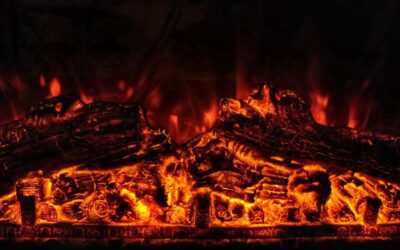
Many homeowners buy a fireplace insert expecting a cozy glow and end up with a flat orange ribbon that looks like a screensaver. The difference between a convincing flame and a cartoon one comes down to specific technologies, fuel choice, and a few installation details that retailers rarely explain. A realistic fireplace insert should fool a guest at a glance, fit your existing firebox cleanly, and deliver the heat you actually need. This guide explains what creates realism in electric, gas, and wood inserts, which features are worth paying for, and how to size and install one properly.
- What Makes a Realistic Fireplace Insert Look Real
- Electric Inserts: The Technology Behind the Flame
- Gas Inserts: Real Flames With Convenience
- Wood Inserts: The Real Thing, With Work
- Sizing and Fit
- Costs to Expect
- Installation Steps and Considerations
- Maintenance to Keep It Looking Real
- Mistakes That Make an Insert Look Fake
- Realistic Fireplace Insert FAQ
- Choosing the Right One for Your Home
What Makes a Realistic Fireplace Insert Look Real
Real fire has depth, randomness, and layered light. Flames move at different speeds, embers pulse beneath logs, and light flickers across the surrounding brick. A realistic fireplace insert recreates as many of those cues as possible. The key elements are:
- Depth: Flames that appear to rise from behind and between logs rather than from a single flat plane.
- Irregular motion: No obvious repeating loop. Cheap units cycle every few seconds and the eye catches it quickly.
- Glowing ember bed: An independently lit base that shimmers under the logs.
- Detailed log sets: Molded logs with bark texture, charring, and split ends, arranged naturally.
- Color accuracy: Warm yellow and orange tones with some variation, rather than one saturated shade.
- Surround and interior panels: Brick, stacked stone, or reflective liners that add dimension and multiply the flame visually.
Electric Inserts: The Technology Behind the Flame
Electric inserts have improved dramatically, and the most convincing ones now use three main approaches:
Mirror and Rotating Reflector Systems
Older and budget designs project LED light through a spinning reflector onto a screen. They are inexpensive but can look flat when viewed from the side.
Water Vapor (Mist) Effects
These units use ultrasonic transducers to create a fine cool mist that is lit from below by LEDs. The result is three-dimensional “smoke and flame” that moves naturally and can be viewed from multiple angles. Mist units usually cost more, require distilled or demineralized water in a reservoir, and need periodic cleaning of the water tray.
Layered LED and Screen Designs
Premium models stack several light layers or high-resolution panels behind a glass front, combining flame, ember, and log lighting for real depth. Look for adjustable flame height and speed, independent ember brightness, and several color settings you can turn down to a natural orange.
Electric inserts plug into a standard 120-volt outlet in most cases and produce about 5,000 BTU of supplemental heat from a 1,500-watt heater, enough to warm roughly 400 sq ft. Some larger units offer 240-volt hardwiring for more output. The flame effect can run without heat, so you get ambiance year-round.
Gas Inserts: Real Flames With Convenience
If you want genuine fire without hauling wood, a direct-vent gas insert is the most realistic option. Look for:
- Ceramic fiber log sets with multiple burner ports so flames lick up between logs.
- Ember beds using rock wool or glowing embers that catch the flame.
- Tall, yellow flames: Lower-end burners give short blue flames; premium burners produce taller, lazier yellow flames.
- Accent lighting under the logs or behind the burner.
- Clear glass and a low-reflection front to reduce the “TV screen” look.
Gas inserts usually produce 20,000 to 40,000 BTU or more, enough to heat a large room or a small home. They require a gas line, a two-pipe or coaxial liner run through the existing chimney, and in many cases an electrical connection for the blower and ignition system.
Wood Inserts: The Real Thing, With Work
A wood-burning insert offers the most authentic experience: crackling sound, real smell, and a live coal bed. Modern EPA-certified wood inserts with large ceramic glass windows and clean-burn secondary air tubes show a striking rolling flame pattern called “ghost flames” when running hot. They also bring the tradeoffs of wood heat: firewood storage, ash removal, and annual chimney sweeping. For homeowners committed to wood, a well-installed insert is dramatically more efficient than an open fireplace.
Sizing and Fit
An insert has to fit inside your existing firebox, so measure carefully before shopping:
- Front opening width and height.
- Rear width (fireboxes often taper toward the back).
- Depth from the front face to the back wall, measured at several heights.
- Any lintel, damper frame, or smoke shelf that intrudes into the opening.
- Hearth depth in front of the fireplace.
Manufacturers list minimum firebox dimensions for each model. A well-matched surround panel covers the gap between the insert and the masonry opening, which makes the result look built-in rather than retrofitted. A poorly sized unit with a large surround gap is one of the most common reasons an otherwise realistic flame looks fake.
Costs to Expect
| Insert type | Unit cost | Installed total (typical) |
|---|---|---|
| Electric (basic LED) | $300-$900 | $400-$1,200 |
| Electric (mist or premium layered) | $1,200-$4,000 | $1,500-$4,800 |
| Gas direct-vent | $2,500-$5,000 | $4,000-$8,500 |
| Wood EPA-certified | $2,000-$4,500 | $3,500-$7,500 |
Installation costs rise if you need a new gas line, a chimney liner, an electrical circuit, or repairs to damaged masonry. Premium realistic flame packages on gas inserts, such as upgraded logs, lighting, and interior panels, often add $400 to $1,200 on their own.
Installation Steps and Considerations
For electric inserts, installation is usually straightforward: clean the firebox, close and seal the chimney damper or install a chimney balloon to stop drafts, run the cord to a nearby outlet (never through the firebox with a standard extension cord), slide the unit in, and attach the surround. If there is no outlet within reach, have an electrician add one.
Gas and wood inserts are more involved. They typically require:
- A full chimney inspection and cleaning before installation.
- A properly sized stainless-steel liner from the insert to the top of the chimney, with a cap.
- Correct clearances to combustible mantels and trim, per the manufacturer’s listing.
- A hearth extension that meets code for the appliance.
- Permits and inspections in most jurisdictions.
When to call a licensed professional: Gas lines, venting, and wood-burning inserts should be installed by an NFI- or CSIA-certified hearth professional or licensed gas fitter. Improper venting can allow carbon monoxide into the home, and incorrect clearances can cause fires. Install CO alarms near the fireplace room and sleeping areas regardless of fuel type, and hire an electrician for any new 240-volt circuit or outlet.
Maintenance to Keep It Looking Real
Realism fades when the unit is dirty. Clean the glass on electric and gas units with a manufacturer-approved cleaner, since household glass sprays can leave hazing. Dust log sets and LED channels on electric units every few months. For mist models, empty and rinse the water tray regularly and replace transducers when output drops. Gas inserts benefit from an annual service to clean burner ports, check the pilot or ignition system, and inspect the vent. Wood inserts need annual chimney sweeping and gasket checks on the door.
Mistakes That Make an Insert Look Fake
Even an expensive unit can disappoint if a few details are overlooked. The most common problems we see in finished installations include:
- Blue or purple flame color left on: Electric units often ship with a color-cycling demo mode. Set a steady warm orange and dim it slightly.
- Brightness cranked to maximum: Real fire is not uniformly bright. Turning flame brightness down one or two steps and raising ember glow usually looks more natural, especially in the evening.
- Reflective glare: A glossy glass front facing a window can show more reflection than flame. Consider anti-reflective glass or repositioning nearby lamps.
- Visible gaps and cords: An exposed power cord or a sliver of dark masonry around the surround instantly breaks the illusion.
- Mismatched log scale: Small log sets inside a large firebox look toy-like. Choose a model whose logs fill the visible width.
- Heater noise: A buzzing fan distracts from the effect. Check published noise levels, and run the flame without heat when you only want atmosphere.
Viewing angle matters too. Stand where you normally sit when evaluating a model in a showroom. Flames that look deep head-on may appear flat from a sofa at a sharp angle, which is where mist and layered designs have the biggest advantage.
Realistic Fireplace Insert FAQ
Which type of realistic fireplace insert looks the most real?
A wood insert burns real fire, so it is the most authentic. Among no-maintenance options, direct-vent gas inserts with premium log sets come closest, while water-vapor electric units are widely regarded as the most lifelike electric technology.
Can I put an electric insert in a fireplace that still works for wood?
Yes, most electric inserts slide into an existing masonry firebox. Close the damper, block drafts, and never burn wood or use the chimney while the electric unit is in place.
Do realistic electric inserts use a lot of electricity?
The flame effect alone typically draws a small amount of power, often well under 100 watts on LED models. Running the heater at 1,500 watts is what drives most of the energy cost.
Choosing the Right One for Your Home
If you want ambiance with minimal hassle, a premium electric model with mist or layered LED flames offers surprisingly lifelike results. If you want genuine heat and real fire at the flip of a switch, a direct-vent gas insert with an upgraded log set is hard to beat. If you love the ritual of wood, an EPA-certified wood insert delivers the most authentic fire of all. Whatever fuel you choose, measure carefully, look closely at the flame in person rather than relying on product videos, and invest in a proper surround. The right realistic fireplace insert can transform a drafty, unused fireplace into the focal point of the room.