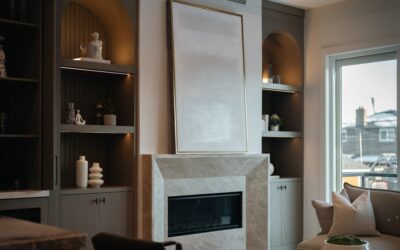
A gas fireplace controlled by a wall key looks intimidating the first time you move into a house with one. There is no switch, no thermostat, just a small square recessed nut sticking out of the floor or wall and a long brass key sitting in a drawer somewhere. Knowing how to turn on gas fireplace with wall key safely is a 60-second job once you understand the mechanism. Done wrong, it can dump unburned propane or natural gas into your living room. Done right, it gives you flame in under a minute.
What a Wall Key Gas Fireplace Actually Is
This system uses a manual ball valve hidden behind a flush escutcheon plate, usually mounted in the floor 18 to 36 inches from the firebox or low on the side wall. The key, typically a brass or steel rod 8 to 12 inches long with a square socket on one end, fits over a valve stem and rotates the gas supply on or off.
Older masonry fireplaces converted to gas log sets almost always use this setup. The valve feeds a burner pan or a set of ceramic logs inside the firebox, ignited manually with a long lighter or match. There is no electronic ignition, no thermocouple safety, and no automatic shutoff. You are the safety system.
Before You Start: Critical Safety Checks
Open the damper fully before lighting anything. A closed damper traps combustion gases including carbon monoxide. Reach up into the firebox flue and confirm you can feel cold outside air, or look for the damper handle, usually a metal rod with a notched slide. Locked open positions click into place.
Sniff for gas inside and around the firebox. If you smell rotten eggs (the mercaptan additive in natural gas) or propane’s distinctive odor, close the valve immediately, ventilate the room, and call your gas utility. Do not light a flame, flip a switch, or use a phone in the room until the leak is found.
Locate the Wall Key Valve
Look for a small square or round chrome plate flush with the floor or wall, typically 2 to 3 feet from the fireplace opening. Center of the plate has a recessed square nut, 3/8 inch on most residential valves. If carpeting was added after install, the plate may be hidden under a flap. Run your hand along the carpet near the hearth to find it.
If you cannot find the valve at all, check the basement directly below the fireplace. Some installs put the manual shutoff on the gas line just before it enters the firebox, accessed from below. Worst case, the valve sits inside the firebox itself, requiring you to reach in with the key.
The Six-Step Lighting Sequence
Follow this order exactly. Skipping steps or rushing creates the conditions for a flash ignition.
- Open the damper fully and verify draft
- Light a long-reach utility lighter (BIC EZ Reach or Zippo Mini MPL, $5 to $10)
- Hold the flame inside the firebox near the burner pan or pilot location
- Insert the wall key into the valve socket
- Turn the key slowly counterclockwise 1/4 turn (90 degrees) to open gas flow
- Gas should ignite within 2 to 3 seconds; if not, close valve immediately
The valve is fully closed when the key handle points perpendicular to the gas line (across it) and fully open when it points parallel (along it). A quarter turn is all it takes. Forcing the valve past the open stop will damage the seat.
If the Gas Does Not Ignite
Close the valve immediately by turning the key clockwise back to perpendicular. Wait at least five minutes with the damper open before trying again. This delay lets unburned gas dissipate up the chimney rather than pooling in the firebox.
Common causes of failed ignition: lighter not held close enough to the burner (move within 2 to 3 inches), pilot orifice clogged with spider webs (rated by NFPA as a common failure mode), or gas supply not turned on at the main shutoff. If two attempts fail, stop and call a fireplace technician. The service call runs $130 to $220 from companies like Atlantic Fireplaces or your local Mr. Chimney franchise.
Adjusting the Flame Height
Once lit, the valve doubles as a flame controller. Slow rotation toward the closed position reduces gas flow and lowers the flame. Most homeowners run their valves at full open for maximum heat, but a half-open setting gives a softer flame for ambiance and saves about 40% on gas consumption.
A typical gas log set burns 30,000 to 40,000 BTU per hour at full open. At current US average natural gas pricing of $1.10 per therm, that is roughly $0.33 to $0.44 per hour of operation. Propane runs significantly higher, around $1.20 to $1.60 per hour at retail prices.
How to Turn It Off Properly
Turning off is the easy part. Rotate the key clockwise (a quarter turn) until the handle sits perpendicular to the gas line. Flames will die within seconds as residual gas in the line burns off. Leave the damper open for at least 15 minutes after shutdown to vent any incomplete combustion byproducts.
Remove the wall key and store it somewhere kids cannot reach it. A locked drawer or a high shelf is fine. Codes in many jurisdictions actually require the key be removable specifically so children cannot turn the gas on unsupervised.
Maintenance That Keeps the System Safe
Have a NFI-certified technician inspect the system annually. The inspection costs $90 to $180 and covers checking valve packing for leaks with a Bacharach Tru Pointe gas leak detector, cleaning the burner ports, inspecting the venting, and verifying the damper clamp on vented systems (required by IRC code so the damper cannot accidentally close).
Install a UL 2034 listed carbon monoxide detector within 15 feet of the fireplace on the same floor. First Alert CO710 at $35 or Kidde KN-COB-LP2 at $30 are both solid choices. Replace the detector every five to seven years per manufacturer specs. The wall-key gas fireplace has heated American living rooms for over 80 years, and a few minutes of care keeps it doing the same for yours.