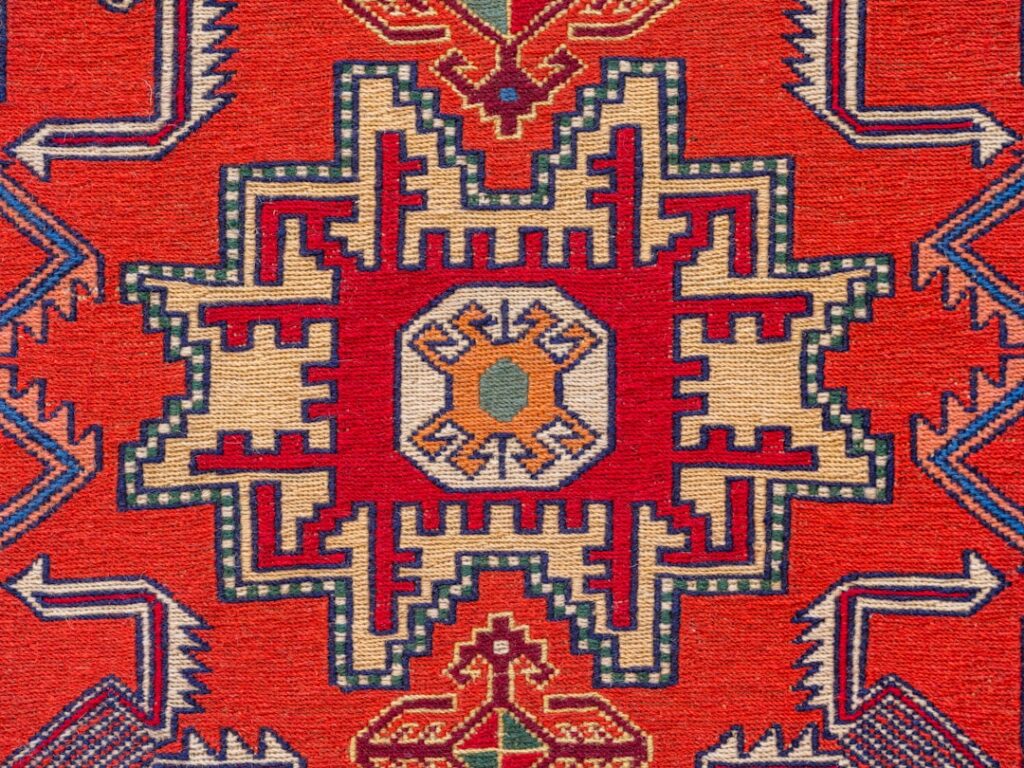
Few decorating choices anchor a room as confidently as a red vintage rug. The deep, lived-in reds of older Persian, Turkish, and tribal designs bring instant warmth, draw the eye, and tie together furniture and finishes that might otherwise feel disconnected. Whether you have inherited a faded heirloom or you are shopping for a new piece with an aged look, the right rug can transform a space.
This guide walks you through what makes a rug “vintage,” why red works so well, how to choose the right size and style, where these rugs come from, and how to keep one looking its best. The goal is to help you buy with confidence and live with the rug for years.
What Makes a Rug “Vintage”?
In the rug world, the term vintage generally refers to pieces that are several decades old, often loosely defined as roughly 30 to 100 years, while anything older than about a century is usually called antique. A vintage piece sits in a sweet spot: old enough to show genuine character and a softened, mellowed palette, but recent enough to be reasonably affordable and durable for everyday use.
Age alone is not the whole story. True vintage rugs typically show natural signs of life, such as gentle low pile in high-traffic paths, subtle color variation called abrash, and small irregularities that prove a human hand made them. These traits are features, not flaws, and they are exactly what mass-produced new rugs try to imitate.
Why Choose Red?
Red has been a foundational color in handmade rugs for centuries, traditionally drawn from natural dyes like madder root. Over decades the brightest tones soften into rust, terracotta, brick, and wine, which is why an aged red reads as rich and grounded rather than loud.
From a decorating standpoint, a red rug is remarkably versatile. It pairs naturally with warm woods, brass, and leather, and it provides a striking counterpoint to cool grays, blues, and crisp whites. In a neutral room it supplies the single hit of color that makes everything else look intentional. In a more layered, maximalist space it holds its own among patterns and textures.
Choosing the Right Size and Placement
Getting the size right matters more than almost any other decision, because even a beautiful rug looks wrong when it is too small. Use these general guidelines as a starting point and always measure your room first:
- Living room: Aim for the front legs of all seating to rest on the rug; larger rooms benefit from a rug that fits every piece fully.
- Dining room: Choose a rug large enough that chairs stay on it even when pulled out, generally extending about 24 inches beyond the table on all sides.
- Bedroom: Place a rug so it extends past the sides and foot of the bed, or use runners on either side.
- Entry and hallway: Runners and smaller scatter rugs handle traffic and define the space.
Tape out the rug’s dimensions on the floor with painter’s tape before you buy. Seeing the actual footprint prevents the most common and expensive sizing mistakes.
Recognizing Quality and Authenticity
Because vintage rugs vary enormously in construction and condition, it pays to know what you are looking at. A few checks help you judge quality without being an expert:
- Hand-knotted vs. machine-made: Flip the rug over. Hand-knotted pieces show a slightly irregular knot pattern on the back, and the design is visible through to the reverse.
- Material: Wool is the traditional workhorse fiber, prized for resilience and natural stain resistance; silk appears in finer, more delicate pieces.
- Dyes: Natural dyes age gracefully and shift subtly across the field; very uniform, almost neon color can signal newer synthetic dye.
- Condition: Inspect for moth damage, dry rot, large stains, and unraveling edges, and weigh any needed repairs against the price.
Ask the seller direct questions about origin, age, fiber content, and any restoration work. A reputable dealer will answer plainly and put key claims in writing on the receipt.
Styling a Red Vintage Rug in Your Home
Once you have the rug, the fun part begins. A red vintage rug can be the hero of the room or a supporting layer, depending on how you build around it. To let a bold rug shine, keep larger furniture in calmer, neutral tones and pull one or two accent colors from the rug into pillows, art, or throws.
Layering is another popular approach. Setting a smaller vintage rug over a large natural-fiber rug, such as jute or sisal, adds depth and lets you use a treasured but undersized piece in a bigger room. In open-plan spaces, a red rug is an effective tool for zoning, visually separating a seating area from a dining or work zone without walls.
Where to Buy
You can find vintage rugs through several channels, each with its own trade-offs. Specialty rug dealers offer expertise, condition guarantees, and the ability to inspect in person, usually at a higher price. Estate sales, auctions, and flea markets can yield bargains but require you to judge quality yourself with no return policy.
Online marketplaces and dedicated vintage-rug retailers have expanded the selection dramatically, often with detailed photos and measurements. When buying online, scrutinize the images, confirm exact dimensions, read the return policy carefully, and ask for additional close-up photos of any wear, the back, and the edges before you commit.
Care and Maintenance
A handmade rug rewards a little ongoing attention with decades of use. Build a simple routine and your red vintage rug will only get better with age.
- Vacuum regularly without a rotating beater bar at full force, which can pull fibers; use gentle suction and avoid the fringe.
- Rotate the rug a couple of times a year so wear and sun fading distribute evenly.
- Use a quality rug pad to prevent slipping, cushion the pile, and reduce friction wear.
- Blot spills immediately with a clean cloth and cool water; avoid harsh chemicals and never rub aggressively.
- Schedule professional cleaning every few years from a specialist experienced with handmade and natural-dye rugs.
Keep the rug out of constant direct sunlight when possible, since prolonged exposure accelerates fading. For serious stains, moth activity, or structural damage, consult a professional rug-care specialist rather than risking a home remedy on a valuable piece. With sensible care, a red vintage rug is the kind of furnishing that outlasts trends and becomes a fixture of your home.