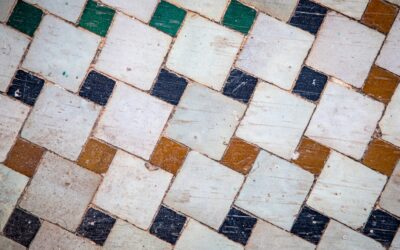
There’s a reason a black-and-white hex bathroom floor from 1925 still looks fresh today: vintage tile flooring was built around proportion, pattern, and materials that age gracefully. Whether you’re restoring a craftsman bungalow or simply chasing that timeless character in a new build, vintage-inspired tile delivers a look that mass-produced planks can’t touch. But authenticity comes with trade-offs in cost, maintenance, and installation difficulty. This guide covers the major styles, what they cost, and how to buy the real thing or a convincing reproduction.
Part of our Tile & Grout guide — explore the full guide →
What Counts as Vintage Tile
Vintage tile generally refers to styles and patterns popular from the late 1800s through the mid-20th century. Think small hexagons, basketweave, penny rounds, encaustic cement patterns, and bold checkerboard layouts. These designs were originally made from ceramic, porcelain, or pigmented cement, and the modern market reproduces all of them.
You have two paths: reclaimed or salvaged original tile, or new tile manufactured to mimic period looks. Both have a place, and your budget and project usually decide which.
Popular Vintage Styles
Each pattern carries its own era and personality.
- Hexagon mosaic: The classic small white hex with optional black accents, a staple of early 20th-century bathrooms.
- Encaustic cement tile: Richly patterned tiles with color pressed through the body, popular in Mediterranean and Victorian interiors.
- Checkerboard: Bold black-and-white squares laid on the diagonal or straight, iconic in kitchens and entries.
- Penny round: Tiny circular mosaics that read as charmingly old-fashioned.
- Basketweave: Interlocking rectangles and squares that mimic woven texture.
Pros of Vintage Tile Flooring
The appeal goes beyond looks. Genuine ceramic and porcelain tile is among the longest-lasting flooring you can install, often surviving a century with care. Patterns hide wear and dirt better than solid colors, and small mosaics provide excellent slip resistance because of all the grout lines. Vintage style also adds genuine character and can boost the appeal of period homes where modern flooring would feel out of place.
Cons and Things to Watch
Authenticity isn’t free or simple. Encaustic cement tile is porous and must be sealed on installation and resealed periodically, or it stains. Small mosaics mean a lot of grout, which needs sealing and regular cleaning to stay crisp. Reclaimed original tile can be inconsistent in size and thickness, complicating installation. And like all tile, vintage floors are hard and cold underfoot, so consider radiant heat or rugs in living areas.
What Vintage Tile Costs
Pricing varies widely by material and source. As a general guide:
- Reproduction ceramic and porcelain hex or penny: roughly $5 to $15 per square foot for the tile.
- Encaustic cement tile: often $12 to $30 per square foot, reflecting the handmade process.
- Reclaimed or salvaged original tile: highly variable, sometimes a bargain and sometimes a premium for rare patterns.
Installation of small mosaics and intricate patterns runs higher than standard tile, frequently $10 to $20 per square foot in labor, because patterned layouts are slow and detail-heavy. Budget for that complexity.
How to Buy Smart
Whether you go authentic or reproduction, a few moves protect your investment.
- Order at least 10 to 15 percent extra for cuts, breakage, and future repairs, since vintage patterns can be discontinued.
- Confirm whether cement tile is unsealed and plan for proper sealing before and after grouting.
- For salvage, inspect for cracks, glaze loss, and consistent thickness across the lot.
- Ask about the PEI hardness rating on porcelain to ensure it’s rated for floor traffic.
- Buy a sample first and live with it in your space before committing to a large order.
Reproduction vs Authentic: Which to Choose
Authentic salvaged tile is ideal for true historic restorations where matching the original matters. For everyone else, modern reproduction porcelain offers the vintage look with better consistency, lower maintenance, and far easier sourcing. Many porcelain lines now print convincing encaustic and hex patterns onto a durable, low-maintenance body, giving you the aesthetic without the upkeep of real cement.
Installation Tips for Vintage Patterns
Patterned vintage tile is far more demanding to install than simple square tile, and the layout makes or breaks the result. A skilled tile setter will dry-lay the pattern first to plan cuts and ensure the design centers properly in the room. Small mosaics often come on mesh sheets, which speeds installation but requires careful alignment so seams between sheets disappear. For checkerboard and other geometric layouts, precise spacing and straight grout lines are essential; even small errors compound across a floor and become glaringly obvious.
Hire someone who has done period-style work before and can show you photos. The labor premium for a complex pattern is real, but a beautifully executed vintage floor is a feature buyers and guests notice immediately, while a sloppy one undermines the whole effect.
Caring for a Vintage Tile Floor
Maintenance depends on the material. Glazed ceramic and porcelain are low-maintenance, needing only sweeping and damp mopping with a pH-neutral cleaner. Encaustic cement tile demands more attention: it must be sealed on installation and resealed periodically, and you should avoid acidic or harsh cleaners that can etch the surface. Grout in any small-mosaic floor needs sealing to resist staining and should be cleaned regularly to keep the lines crisp. With the right care, a vintage tile floor easily outlasts every other surface in the home.
The Bottom Line
Vintage tile flooring rewards patience and a clear plan. Decide between reclaimed authenticity and modern reproduction, budget for the slower patterned installation, and commit to sealing and grout care. Done right, vintage tile flooring delivers a floor that looks like it has always belonged and will likely outlast everything else in the room. Order extra, hire a tile setter experienced with mosaics, and you’ll have a floor with genuine character for decades. Vintage tile is one of the few flooring choices that actually gets more charming with age, developing a lived-in patina that new materials simply cannot fake. Whether you choose authentic salvage or a high-quality reproduction, the timeless appeal makes it a standout feature in any home, and a thoughtful installation rewards you every time you walk through the room.
Prefer to explore on your own?
See how new flooring looks in your actual room in seconds — free, no signup.
Try the free Floor Studio →