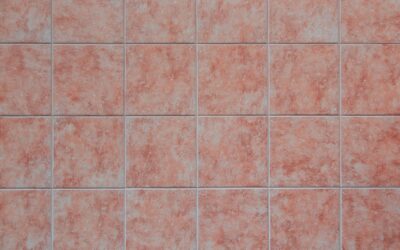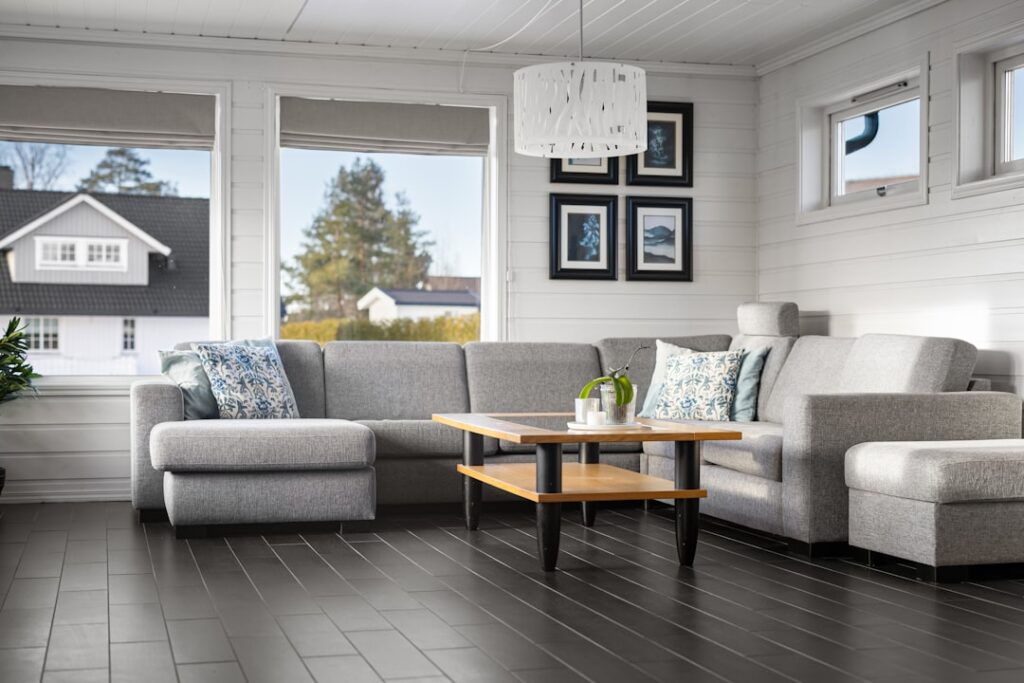
Nothing else on the market makes a statement like a bright red floor. Whether you are restoring a 1950s diner, outfitting a firehouse bay, or giving a basement game room some personality, red vinyl flooring delivers that punch of saturated color without the maintenance of painted concrete or the brittleness of red ceramic. The trick is picking the right shade, finish, and wear layer — get any of those three wrong and the floor will either fade to pink inside two years or look like a dated rental flip.
The Red Color Family in Vinyl
Red is not a single color. Vinyl manufacturers print at least five distinct red tones. Tomato red and candy apple skew warm and work for diner and retro builds. Brick red and firehouse red go darker with brown undertones, suited to industrial and commercial spaces. Burgundy and oxblood lean purple and are the most flattering for residential living areas. Order samples in all five before committing.
Sheet vinyl, LVT, and rigid-core SPC all come in red. Sheet vinyl gives you the smoothest visual (no seams), LVT lets you mix red with black or white for checker patterns, and SPC adds waterproof rigidity for kitchens and commercial settings.
Classic Applications for Red Floors
Red floors earn their keep in a handful of specific spaces:
- Diners and burger joints — red-and-white 9×9 checker in a 24 mil commercial LVT.
- Firehouse bays and apparatus rooms — solid firehouse red in sheet vinyl or epoxy-coated SPC.
- Retro kitchens — cherry red with chrome edge trim, often with a contrasting black toe-kick.
- Game rooms and home theaters — burgundy plank vinyl absorbs light and reads cinematic.
- Dance studios and small theaters — seamless red sheet for stage wings and warm-up rooms.
Pros of Red Vinyl Flooring
The biggest win is design impact per dollar. A $4 per sq ft red SPC plank does the work of a $20 per sq ft red porcelain tile with a fraction of the install cost. Vinyl also hides scuffs better than painted concrete — a red-on-red scuff is nearly invisible compared to a black scuff on white tile.
Modern photo-print technology gives you textured matte finishes that look more like waxed linoleum than the plasticky reds of the 1970s. Shaw, Mannington, and Karndean all carry red colorways with wire-brushed embossing that reads handmade rather than factory-slick.
Cons and Real Risks
- UV-driven fading is the number-one complaint — cheap red vinyl turns pink in sunny rooms within 24 months.
- White furniture dye and rubber-backed rugs can permanently stain bright reds.
- Resale value drops if the buyer does not share your taste for statement color.
- Matching replacement planks is harder because red dye lots shift more than neutrals.
- High-gloss reds show every scratch and footprint, so choose a matte or low-sheen finish.
Choosing Wear Layer and Finish
For a residential kitchen or entryway, 20 mil wear layer is the floor. Drop to 12 mil and you will see surface haze within a year. For a commercial diner or firehouse, insist on 28 to 40 mil commercial-grade wear layer with a urethane topcoat like Armstrong Diamond 10 or Mannington QuickStix.
Matte or satin finishes hide wear better and read more authentic to mid-century design. Save gloss red for accent strips or small 20 sq ft areas where you can wipe daily.
Install Tips for Bold Patterns
Checker patterns live or die by the layout. Snap a chalk centerline in both directions and start at the intersection rather than the walls. This gives you symmetrical cuts at the perimeter and prevents a sliver tile showing up next to a fridge or toilet. Order 12 to 15 percent waste on any two-color pattern.
For solid red sheet vinyl, heat-weld the seams with a matching red cord. Cold seams will yellow within a few years and ruin the monolithic look.
Product Picks and Prices
Armstrong Flexco Rxv in Firehouse Red is the go-to commercial pick at $5 to $7 per sq ft material. Roppe Raised Round Rubber in red covers firehouse and transit applications. For residential, Mannington Sobella and Karndean Michelangelo both carry red colorways in sheet and LVT formats. Budget-tier: Achim Nexus Self-Adhesive red at $1.09 per sq ft — fine for a rental kitchen but expect three to four years of life, not 20.
Total installed cost for DIY-friendly click LVT in red runs $3 to $7 per sq ft. Professional install on a diner-style checker pattern adds $4 to $6 per sq ft because of the pattern precision required.
Long-Term Care
UV is the enemy. Add UV-filtering film to windows within 10 feet of any bright red floor, and close blinds during peak sun hours. Clean with pH-neutral cleaners only — bleach and ammonia both degrade red dye over time. Rotate furniture and rugs every three to six months so fading happens uniformly.
Red vinyl flooring is not subtle and it is not universal. Used in the right room with the right product spec, it becomes the single most memorable design choice in the whole house.
Pairing Red with Walls, Trim, and Cabinets
A saturated red floor demands restrained walls. Off-white, warm gray, and soft cream keep the color balance right. Avoid competing accent walls in blue, green, or yellow — the result reads like a 1970s rec room. For retro kitchens, pair red-and-white checker with chrome edge trim, white subway tile backsplash, and mid-tone wood or black cabinets.
Trim color also matters. White-painted baseboards keep the look crisp and diner-authentic. Natural wood trim softens the color impact and leans mid-century. Black trim creates high-contrast drama suited to bar, lounge, and cinematic spaces. Test samples at actual room scale — a 4×4 inch chip never predicts how 200 sq ft of red floor will read.
Prefer to explore on your own?
See how new flooring looks in your actual room in seconds — free, no signup.
Try the free Floor Studio →