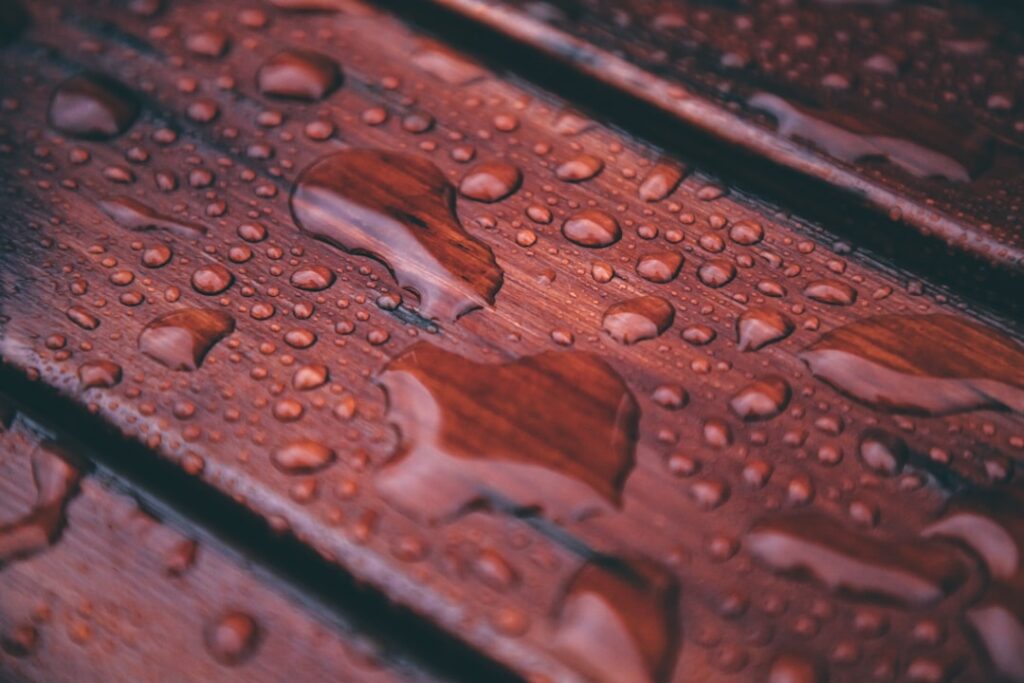
Freshly milled redwood has a rich red-brown glow that fades to silver gray in as little as one summer of direct sun. Many homeowners assume the wood is ruined, but redwood’s natural durability means the fibers are usually fine underneath; it is the color that needs protecting. Choosing the right redwood deck stain is about preserving that warm tone, blocking UV, and letting the wood breathe rather than trapping moisture under a thick film. Redwood behaves differently from pressure-treated pine and even from cedar, so a stain that works on your neighbor’s deck may not be the right choice for yours.
Part of our Decks & Outdoor guide — explore the full guide →
- Why Redwood Deck Stain Needs a Specific Approach
- Choosing the Right Opacity
- Oil-Based vs. Water-Based Stains
- Prepping Redwood Before Staining
- How to Apply Redwood Deck Stain
- Redwood Deck Stain Costs
- Keeping the Color: Maintenance Schedule
- Common Redwood Staining Mistakes
- The Bottom Line
- When a Redwood Solid Stain Makes Sense
- Frequently Asked Questions
Why Redwood Deck Stain Needs a Specific Approach
Redwood contains natural tannins and extractives that give it color and decay resistance. Those same compounds can bleed through water-based finishes, causing dark brown streaks, and they react with iron to produce black stains around steel fasteners. Redwood is also relatively soft and open-grained, especially in the lighter sapwood grades, so it absorbs stain unevenly if the surface is not prepared well.
The grade you have matters. Heartwood grades such as Clear All Heart and Construction Heart are dense, deep red, and naturally resistant to rot. Sapwood-containing grades like Construction Common and Deck Common have cream-colored streaks that take stain differently and need more protection. A semi-transparent tinted stain can even out the color difference between heartwood and sapwood boards on a common-grade deck.
Choosing the Right Opacity
Stain opacity determines how much of redwood’s grain you see and how long the finish lasts.
| Opacity | Appearance | Typical Recoat Interval |
|---|---|---|
| Clear or toner | Natural color, minimal tint | Every 1 year |
| Semi-transparent | Enhanced red tone, full grain visible | Every 2-3 years |
| Semi-solid | Muted grain, more color | Every 3-4 years |
| Solid | Paint-like, grain hidden | Every 4-6 years, may peel |
For most redwood decks, a semi-transparent stain in a redwood or natural cedar tone is the best balance. It contains enough pigment to block UV and slow graying while letting the grain show. Clear finishes look beautiful for a few months but offer little UV protection, so the wood grays quickly. Solid stains hide what makes redwood worth the premium, and on horizontal deck boards they tend to peel and wear through in traffic lanes.
Oil-Based vs. Water-Based Stains
Oil-based penetrating stains
Oil-based stains, often built on linseed or alkyd oils, soak deep into the fibers and enrich redwood’s natural color. They wear by gradually fading rather than peeling, which makes maintenance coats simple. The downsides are longer dry times, typically 24 to 48 hours, higher VOC content that is restricted in some states, and a tendency to support mildew in shady, humid locations unless the formula includes a mildewcide.
Water-based and hybrid stains
Modern water-based and water-borne oil hybrid stains clean up with soap and water, dry in 2 to 4 hours, and resist mildew better. On redwood, choose a product specifically labeled for tannin-rich woods or apply a stain-blocking step if recommended, since water-based products can pull tannins to the surface. Some water-based stains form more of a surface film and may peel if applied too heavily.
In practice, many redwood owners prefer a penetrating oil for the look and easy maintenance, while those in humid or shaded climates lean toward a hybrid for mildew resistance. Whichever you choose, avoid mixing systems. Applying water-based stain over oil, or the reverse, usually requires full stripping first.
Prepping Redwood Before Staining
Preparation determines how the stain looks and how long it lasts. Skip it, and even an expensive product will blotch and fail early.
- Let new redwood weather briefly. Kiln-dried redwood can often be finished within a few weeks. Air-dried or wet lumber may need 1 to 3 months to dry. A simple water test helps: sprinkle water on the boards, and if it soaks in within a few minutes, the wood is ready.
- Clean thoroughly. Use a deck cleaner based on sodium percarbonate to remove dirt, mildew, and gray weathered fibers. Scrub with a stiff synthetic brush.
- Strip old finishes if needed. Peeling film-forming stains must be stripped with a sodium hydroxide stripper before recoating with a penetrating product.
- Brighten with oxalic acid. This step is especially important on redwood. An oxalic acid brightener neutralizes cleaner or stripper, removes tannin stains and black iron marks, and restores the wood’s red tone.
- Rinse gently. If you use a pressure washer, keep it under about 1,200 psi with a wide fan tip and hold it 12 inches away. Redwood is soft and gouges easily, raising fuzzy fibers.
- Sand fuzz and splinters lightly with 60- to 80-grit paper. Avoid finer grits, which close the grain and reduce stain penetration.
- Let it dry 24 to 48 hours before staining.
How to Apply Redwood Deck Stain
Weather is the first factor. Aim for temperatures between 50°F and 90°F, no rain forecast for at least 24 hours, and ideally a cloudy day or a time when the deck is in shade. Staining in hot, direct sun causes lap marks because the stain dries before you can blend it.
- Stir the stain thoroughly, and mix multiple cans together in a bucket to keep the color consistent.
- Start with railings, balusters, and vertical surfaces so drips on the floor can be smoothed out later.
- Work two to three boards at a time along their full length to maintain a wet edge and avoid overlap marks.
- Apply with a stain pad, brush, or pump sprayer, then back-brush to work stain into the grain.
- Wipe off any stain that has not absorbed after 15 to 30 minutes. Excess stain left on the surface turns sticky and peels.
- For semi-transparent stains, one coat is typical on dense heartwood. Softer sapwood grades may accept a second wet-on-wet coat if the product allows.
Coverage varies with wood porosity. Weathered redwood might absorb stain at 100 to 150 square feet per gallon, while newer wood may stretch to 200 to 250. For a 300-square-foot deck with railings, plan on 2 to 3 gallons.
Redwood Deck Stain Costs
Quality semi-transparent stains typically cost $40 to $80 per gallon. Add $20 to $40 per gallon for cleaners and brighteners, plus $30 to $60 in pads, brushes, and sandpaper. A DIY refinish on a 300-square-foot redwood deck usually costs $200 to $450 in materials.
Hiring a professional to clean, brighten, and stain a deck generally runs $2 to $5 per square foot, or roughly $600 to $1,500 for the same deck. Stripping an old peeling finish can add $1 to $2 per square foot.
Keeping the Color: Maintenance Schedule
Redwood rewards light, frequent care. Sweep leaves and debris regularly, because wet organic matter stains and encourages mildew. Wash the deck each spring with a mild deck cleaner. Watch the high-traffic areas and sun-exposed boards; when water stops beading and the color starts looking washed out, it is time for a maintenance coat.
For penetrating stains, a maintenance coat is often just a light cleaning, brightening, and a single thin coat, no stripping required. Staying ahead of wear is the key. Waiting until the deck turns fully gray means more aggressive prep and more stain to bring the color back.
Protect the boards around the house too. Use stainless steel or coated fasteners on any repairs to prevent black iron staining, keep planters on feet so water can drain, and add rugs rated for outdoor use at doorways where grit gets tracked in.
Common Redwood Staining Mistakes
- Applying a heavy clear sealer and expecting it to prevent graying
- Skipping the oxalic acid brightener, leaving tannin streaks and dull color
- Pressure washing at high psi, which furs and gouges the soft surface
- Letting excess stain dry on the surface instead of wiping it off
- Choosing solid stain for deck floors, then fighting peeling every season
The Bottom Line
A well-chosen redwood deck stain protects one of the most attractive decking woods available while letting its natural character show. Start with a thorough clean and brighten, choose a semi-transparent penetrating formula tinted for redwood, apply in mild weather, and keep up with light maintenance coats. That routine preserves the warm red tone for years instead of watching it fade to gray.
When a Redwood Solid Stain Makes Sense
A redwood solid stain is the right call when the boards are too weathered, patched, or mismatched for a see-through finish to look even. It hides grain and color differences completely, and it lasts the longest between recoats, but it behaves like a film and needs more careful prep and upkeep on walking surfaces.
Good candidates for solid stain
- Older decks with mixed boards: replacement boards next to decades-old redwood rarely match, even after brightening. A solid color unifies them.
- Railings, skirting, and privacy screens: vertical surfaces get no foot traffic, so a solid finish holds up well and rarely peels.
- Decks already finished with a solid or paint: once a film is on the wood, going back to a penetrating stain means full stripping, so staying solid is often the practical choice.
Preventing tannin bleed and peeling
Redwood’s tannins are the main threat to a solid finish. On fresh or freshly stripped redwood, light and pastel solid colors can show brown blotches within days. Use an oil-based or hybrid solid stain, or a stain-blocking primer if the maker calls for one, and choose a mid-tone or darker color that disguises any bleed that does appear.
Peeling usually starts from moisture or from too much product. Apply two thin coats rather than one heavy coat, brush each one into the surface, and let the boards dry fully before and between coats. Solid stain should never go on over damp wood or over a glossy, unsanded old film.
| Factor | Semi-transparent on redwood | Solid stain on redwood |
|---|---|---|
| Grain and red tone | Visible and enhanced | Hidden |
| Hides sapwood streaks and patched boards | Partly | Fully |
| How it wears | Fades gradually | Can peel in traffic lanes |
| Typical recoat interval | Every 2 to 3 years | Every 4 to 6 years |
| Switching back later | Easy | Requires stripping |
Choosing a solid color for redwood
Most makers offer solid shades named for redwood, cedar, or chestnut that restore a warm red-brown look without showing grain. Grays, taupes, and deep browns are also popular for a modern deck. Avoid very dark colors on boards in full sun, since they run hot underfoot and show fading sooner. A common compromise is a solid stain on railings and skirting with a semi-transparent redwood tone on the floor boards, which keeps the grain where you see it most while protecting the parts that weather hardest.
Frequently Asked Questions
What color stain is best for redwood decks?
A semi-transparent stain in a redwood, natural, or cedar tone is usually best. It enhances the wood’s red color, evens out sapwood streaks, and provides UV protection while leaving the grain visible.
How long should I wait to stain a new redwood deck?
Kiln-dried redwood can often be stained within a few weeks. Wetter lumber may need 1 to 3 months. If water soaks in within a few minutes when sprinkled on the boards, the wood is ready.
Do I need to use a brightener on redwood?
Yes, it is strongly recommended. An oxalic acid brightener removes tannin and iron stains, neutralizes cleaners, and restores redwood’s natural color before staining.
How often should a redwood deck be restained?
Most semi-transparent stains need a maintenance coat every 2 to 3 years. Decks in full sun or heavy traffic may need attention sooner.