
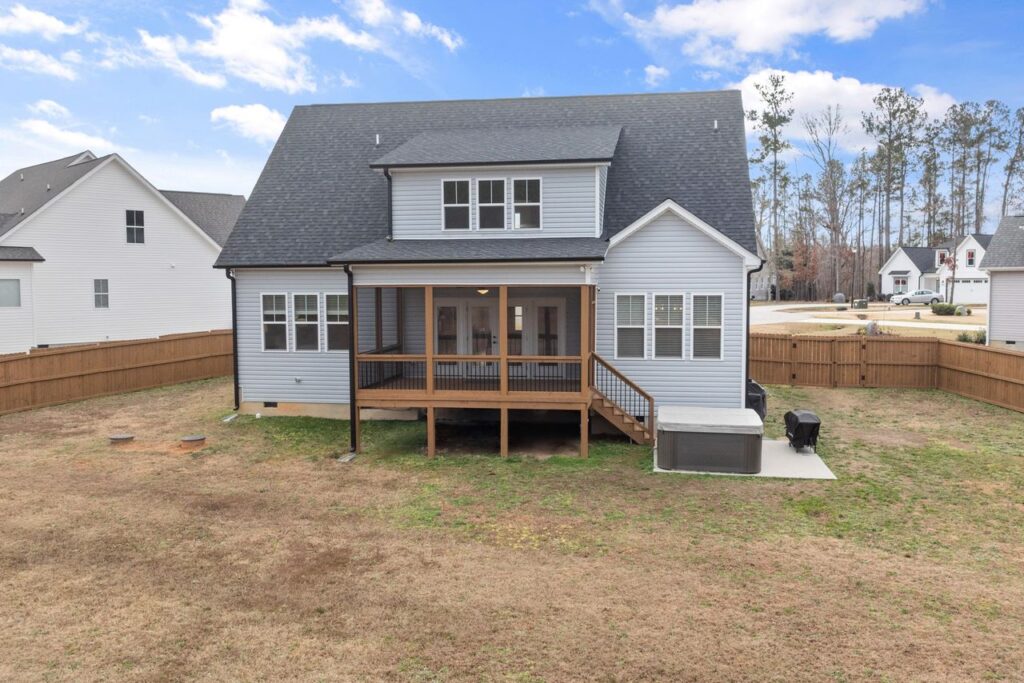
A single flat stain color makes a deck look finished, but a two-tone treatment makes it look designed. The best two tone deck stain ideas pair a lighter field color across the deck boards with a deeper, contrasting tone on the railings, borders, or stairs, and that simple contrast draws the eye and frames the whole structure like a picture. I have stained hundreds of decks, and homeowners are almost always surprised how much a second color elevates the look for the price of one extra gallon and a roll of tape. Done right, it reads as intentional custom work rather than a paint-store afterthought.
Part of our Decks & Outdoor guide — explore the full guide →
Why Two-Tone Works
Contrast creates visual structure. When the deck field is one color and the railing or border is another, the darker element outlines the space and gives your eye a clear edge to follow. It also hides wear where you want it. A deep, solid-color railing takes the abuse of hands, drinks, and weather better than a light semi-transparent finish, while the lighter field keeps the walking surface from getting oppressively hot and dark in summer sun.
The practical bonus is stain longevity. You can use a durable solid stain on vertical, low-wear surfaces like railings and skirting, where solid stains last five to seven years, and a semi-transparent stain on the horizontal deck boards, where a film-forming solid would peel under foot traffic. Matching the stain type to the surface is half the reason two-tone decks hold up so well.
Color Pairing Ideas
The safest and most striking approach is a light field with a dark frame. Here are pairings that consistently look good:
- Weathered gray field with black or charcoal railings: Modern and clean, great for contemporary homes.
- Natural cedar or honey-tone boards with dark walnut trim: Warm and traditional, the classic craftsman look.
- Driftwood gray boards with a warm brown border: Softer contrast that still defines the edges.
- Light oak field with a solid white railing: Coastal and bright, pairs well with a farmhouse exterior.
- Redwood-toned boards with espresso stairs and fascia: Rich and dramatic, best on larger decks.
A good rule is to pull the darker accent from a color already on your house, such as the shutters, front door, or roof, so the deck feels tied to the home rather than floating on its own.
Semi-Transparent vs Solid Stain
Understanding the two stain types is what separates a lasting job from one that peels in two years. Semi-transparent stain soaks into the wood and lets the grain show through, giving a natural look, but it offers less UV and wear protection, so it typically lasts two to four years on a horizontal deck surface. Solid stain forms a film like thin paint, hides the grain, delivers the most protection, and lasts five to seven years, but it can peel if applied to high-traffic horizontal boards.
For most two-tone decks, use semi-transparent on the deck floor and either semi-transparent one shade darker or solid on the railings and borders. Mixing a soaking stain on the field with a film-forming stain on the rails is a proven, durable combination.
Oil-Based vs Water-Based
Oil-based stains penetrate deeply and are forgiving to apply, making them a favorite for older or dense hardwood decks, but they cure slowly and clean up with mineral spirits. Water-based stains dry faster, resist mildew and fading better over time, clean up with soap and water, and have lower odor and VOCs. Whichever you choose, stay consistent, do not top a fresh oil stain with a water-based product or you will get adhesion problems. Plan on roughly 200 to 300 square feet of coverage per gallon on smooth wood, and less, closer to 150 square feet per gallon, on rough or thirsty older boards.
Prep Before You Stain
Stain is only as good as the prep beneath it. Start by cleaning the deck with a dedicated deck cleaner or a mix of oxygen bleach and water to strip dirt, mildew, and old failing finish. If the old stain is peeling or heavy, you may need to strip and sand back to bare wood. Rinse thoroughly and let the deck dry for at least 24 to 48 hours, longer after rain, until the wood reads under 15 percent moisture on a meter.
Sand any rough spots and raised grain with 60- to 80-grit paper so the surface accepts stain evenly. New pressure-treated lumber needs to dry out and weather for several weeks to a few months before it will absorb stain properly, so do not rush a fresh build. Check the forecast and pick a stretch with no rain for 48 hours and temperatures between 50 and 90 degrees Fahrenheit, out of direct blazing sun that flashes the stain too fast.
Step-by-Step: Applying Two Colors
The order and the tape are what make crisp two-tone lines. Work in this sequence:
- Stain the lighter color first, typically the deck field boards, and let it fully dry per the label, usually 24 to 48 hours.
- Mask the border. Run painter’s tape along the edge where the field meets the railing posts, stair stringers, or picture-frame border. Press the tape edge down firmly so stain cannot bleed under it.
- Apply the darker accent to the railings, balusters, borders, and stairs. Use a brush for balusters and tight spots, and a pad or roller on flat rail caps, back-brushing to work stain into the grain.
- Pull the tape while the darker stain is still slightly wet to get the cleanest line, then touch up any thin spots.
- Apply a second coat only if the label calls for it, and only wet-on-tacky or after the first coat dries per instructions, never onto a fully cured semi-transparent coat that can no longer absorb.
Always maintain a wet edge on the field boards, staining a few full-length boards at a time from end to end so you never stop in the middle of a board. Stopping mid-board leaves a lap mark that will show forever.
Tools and Materials You Will Need
Gather everything before you open a can so you are not running to the store mid-coat. For a typical 300- to 400-square-foot deck with railings, plan on two to three gallons of the field color and one to two gallons of the accent, depending on how thirsty the wood is. Keep the rest of your kit simple:
- Deck cleaner or brightener and a stiff scrub brush or pump sprayer for prep
- 60- to 80-grit sandpaper or a pole sander for rough spots and raised grain
- Painter’s tape for the two-tone lines, plus a putty knife to burnish the edge down
- A stain pad on a pole for the field boards and a 2- to 3-inch brush for railings and balusters
- A moisture meter to confirm the wood is dry enough to accept stain
Buy all of one color in the same purchase so the batches match, and if you need more than one can of a color, box them, meaning pour them together into a single larger container and mix, so any slight shade variation between cans blends out across the whole deck.
Mistakes That Ruin a Two-Tone Job
The number one killer is staining over a wet or dirty deck. Stain needs clean, dry, absorbent wood, so skipping prep or rushing after rain leads to blotching and early peeling. The second common error is choosing two colors that are too close in value, which reads as a mistake rather than a design choice. Keep enough contrast between the field and accent that the difference is obvious from across the yard.
Watch your tape timing, too. Leaving painter’s tape on overnight, especially in the sun, can let it bond and lift the finish when you pull it. Pull the tape while the accent stain is still slightly wet for the crispest line. Finally, never over-apply stain thinking more equals better protection. Semi-transparent stain that puddles will not fully absorb, stays tacky, and turns shiny and sticky. Apply thin, back-brush, and wipe any excess before it sets.
Maintenance and Longevity
A two-tone deck is easy to keep up because the two surfaces wear at different rates and you can refresh them independently. The horizontal field, taking the most sun and foot traffic, will fade first and usually needs a fresh coat every two to three years. The railings and borders, protected and vertical, can go five years or more, especially if you used a solid stain there.
Rinse the deck a few times a season, sweep off leaves that trap moisture, and touch up any worn walking paths before the wood grays. Because you only recoat what actually needs it, two-tone finishing often costs less to maintain over the years than a single-color deck you have to redo all at once.


