
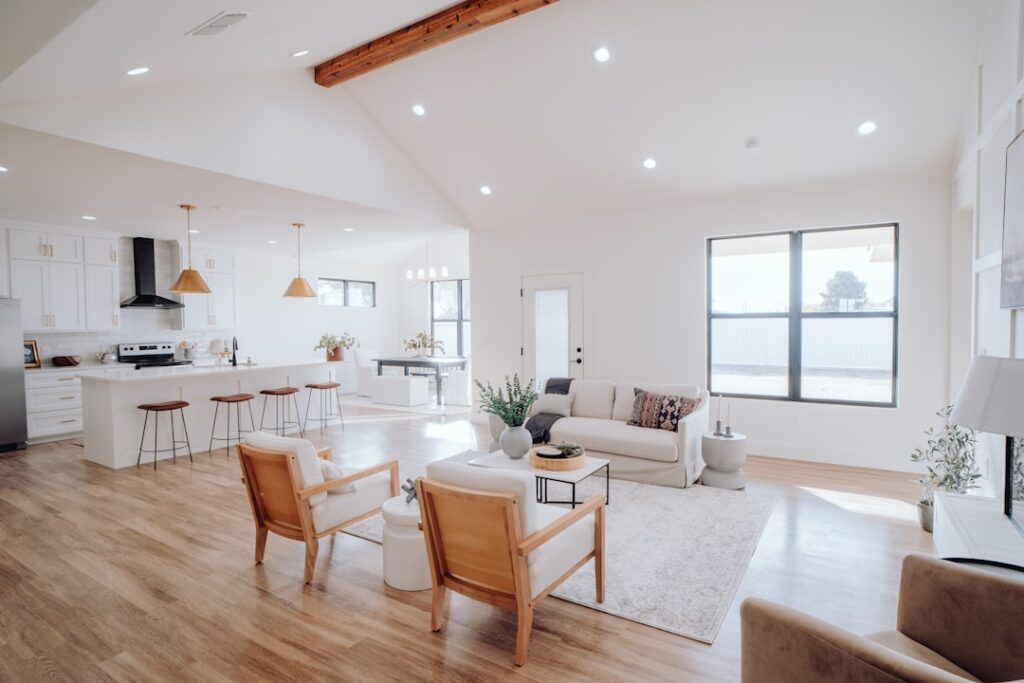
A floor that bounces light can transform a room, making a cramped space feel open and a dim one feel bright. Reflective flooring, the high-gloss and mirror-look surfaces seen in modern showrooms, lobbies, and contemporary homes, achieves that effect by sending light back up into the room instead of absorbing it. The look is striking, but it comes with real trade-offs around glare, slipperiness, and the relentless maintenance that any mirror-like surface demands. Knowing which products deliver the shine, and what living with them actually requires, is the key to a result you will love rather than regret.
How Reflective Floors Work
Reflectivity comes down to surface smoothness and sheen. The flatter and glossier the surface, the more light it reflects specularly, producing that wet, mirror-like appearance. This is achieved either by polishing a hard material to a high sheen or by applying a clear, high-gloss coating over a substrate. The brighter and more directional your lighting, the more dramatic the reflection, which is why these floors photograph so well under showroom spotlights and large windows.
Polished Concrete
Mechanically polished concrete is one of the most popular ways to get a reflective floor, especially in modern and industrial interiors. Diamond grinding and progressively finer polishing pads, finished with a densifier and guard, bring concrete to a glossy, light-reflecting finish without a coating.
- Pros: Extremely durable, no coating to peel, low long-term cost, sustainable use of an existing slab.
- Cons: Hard and cold underfoot, can be slippery when wet, requires periodic re-polishing to keep the shine.
High-Gloss Epoxy
Epoxy and metallic epoxy coatings produce some of the most dramatic mirror-look floors available, often with swirled, three-dimensional depth. A clear high-gloss topcoat over a base coat creates a seamless, ultra-reflective surface popular in garages, retail, and statement spaces. Epoxy resists chemicals and stains well, but the gloss can scratch and dull over years, and a worn coating eventually needs recoating rather than spot repair. Quality installation and surface prep are everything; poorly prepped epoxy can peel.
High-Gloss Tile and Stone
Polished porcelain, glazed ceramic, and polished natural stone such as marble or granite deliver reflectivity through a factory or honed-and-polished finish. Large-format polished porcelain with minimal grout lines gives the cleanest mirror effect. Polished marble is the classic luxury choice but is soft, etches with acids, and needs sealing. Polished stone and tile are durable and beautiful, but the same gloss that reflects light also shows every smudge and becomes hazardous underfoot when wet.
The Glare Problem
The biggest day-to-day complaint about reflective floors is glare. A surface that bounces light beautifully at one time of day can throw harsh, distracting glare across a room when the sun hits it directly, and it amplifies overhead lighting in ways that can be uncomfortable. Reflective floors also mirror clutter, furniture, and ceiling fixtures, so a busy room looks busier. Consider how your windows and lighting interact with the floor before committing, and use window treatments and diffuse lighting to tame harsh reflections.
Slipperiness and Safety
Glossy, smooth floors are inherently more slip-prone than textured ones, and the risk spikes when they are wet. This makes high-gloss surfaces a poor choice for entryways, kitchens, bathrooms, and any area exposed to water or spills, unless you accept the hazard or add anti-slip treatments and rugs. For homes with kids, seniors, or pets, weigh the safety trade-off seriously. Some products offer anti-slip additives in the topcoat that preserve much of the shine while improving traction.
Maintenance Reality
A mirror-like floor shows everything, dust, footprints, pet hair, water spots, and streaks, far more than a matte finish. Keeping it pristine means frequent dust mopping and careful, streak-free cleaning with the right products. The wrong cleaner can dull the sheen or leave residue. Polished concrete needs periodic re-burnishing, epoxy may need recoating every several years in high traffic, and polished marble requires sealing and acid-spill vigilance. Budget time and money for upkeep; the shine is only as good as the maintenance behind it.
Lighting and Room Design
A reflective floor is essentially a second lighting element, so plan it alongside your lighting scheme. Diffuse, indirect light, cove lighting, lamps, frosted fixtures, reflects softly and flatteringly, while bare bulbs and harsh downlights create hot spots and glare on a glossy surface. Large windows dramatically amplify the effect, brightening a dim room beautifully but risking blinding glare when the sun is low. Light walls and ceilings compound the brightness, which can be wonderful in a dark space or overwhelming in an already-bright one. Think through how your floor interacts with both daylight and artificial light across the day before committing to high gloss.
Where High Gloss Belongs
Reflective floors suit some rooms far better than others. They shine in formal living and dining rooms, entry foyers, modern open-plan spaces, showrooms, and commercial lobbies, places that are relatively dry, lower-traffic, and where a dramatic, light-filled look pays off. They are a poor fit for kitchens, bathrooms, mudrooms, laundry rooms, and busy family areas, where water, grit, and heavy use turn the gloss into a slip hazard and a constant cleaning chore. Matching the finish to the room’s actual use is the most important decision you will make; a stunning high-gloss floor in the wrong room becomes a daily source of frustration.
Achieving the Look on a Budget
You do not need the most expensive material to get a reflective effect. Polished concrete is often the most cost-effective route, especially if you already have a concrete slab that can be ground and polished in place, no new material required. A clear high-gloss topcoat over an existing floor, or a self-leveling epoxy in a smaller statement room, delivers dramatic shine without re-flooring the whole house. Large-format polished porcelain in a single accent area, like an entry foyer, concentrates the wow factor where it counts while keeping the rest of the home practical. Targeting one or two rooms rather than the entire house keeps both the cost and the maintenance burden manageable.
Cost Expectations
Pricing spans a wide range depending on material and condition. Polishing an existing concrete slab typically runs $3 to $8 per square foot, while a decorative or stained polished-concrete finish can reach $8 to $15. High-gloss epoxy coatings generally fall between $3 and $12 per square foot installed, with metallic and multi-coat systems at the higher end. Polished porcelain tile runs $5 to $15 for material plus installation, and polished natural stone like marble can exceed $15 to $30 installed. Factor in the ongoing cost of maintenance, re-polishing, recoating, or resealing, which is part of owning any high-gloss floor and should be budgeted from the start.
Is Reflective Flooring Right for You?
Reflective flooring rewards the right setting: a modern, low-traffic, dry space where you want to maximize light and make a design statement, and where you are willing to keep it clean. Polished concrete is the most practical and durable option, high-gloss epoxy the most dramatic, and polished tile or stone the most luxurious. Steer clear of high gloss in wet or high-traffic family zones, plan for glare and slip risk, and commit to the upkeep. Choose with eyes open and a reflective floor delivers a brighter, more spacious-feeling room; choose carelessly and it becomes a daily chore.
Prefer to explore on your own?
See how new flooring looks in your actual room in seconds — free, no signup.
Try the free Floor Studio →

