Ugly flooring can ruin an otherwise great rental. Dated linoleum, stained carpet, and cold concrete can all be covered with temporary flooring solutions that transform your space without violating your lease or forfeiting your security deposit.
Below is every renter-friendly flooring option available, from peel-and-stick vinyl to interlocking tiles to area rug layering, with honest pros, cons, and removal tips so you leave the original floor exactly as you found it.
What Makes Flooring “Renter Friendly”?
True renter-friendly flooring meets four criteria:
- Non-permanent installation: No nails, no permanent adhesive, no modifications to the subfloor.
- Easy removal: You can pull it up completely when you move out without specialized tools or professional help.
- No residue or damage: The original floor underneath remains unharmed: no adhesive residue, stains, scratches, or discoloration.
- Portable: Ideally, you can take it with you to your next rental and reinstall it.
Some options check all four boxes. Others compromise on one or two. We’ll be clear about trade-offs for each option.
Best Renter Friendly Flooring Options
Loose-Lay Luxury Vinyl Plank
Loose-lay LVP is purpose-built for temporary installations. These planks have a special friction-grip backing that holds them in place by weight and texture rather than adhesive or click-locks. You lay them on the existing floor, trim to fit with a utility knife, and the floor stays put under normal foot traffic.
Pros:
- Looks like real hardwood or stone
- 100% waterproof
- Completely removable with zero residue
- Reusable at your next rental
- Comfortable underfoot
Cons:
- Costs more than peel-and-stick ($3 to $6 per square foot)
- Can shift slightly in rooms with heavy furniture dragging
- Requires a smooth, flat existing floor for the best grip
Best over: Existing vinyl, linoleum, smooth concrete, flat tile
Removal: Pick up the planks. That’s it. No tools, no scraping, no cleaning.
Peel-and-Stick Vinyl Tiles and Planks
Peel-and-stick vinyl is the most affordable way to cover ugly floors. You peel the backing, press the tile or plank onto the floor, and trim edges with a utility knife. Modern options from brands like FloorPops and Achim look surprisingly good.
Pros:
- Very affordable ($0.50 to $2.50 per square foot)
- Huge range of styles and patterns
- Easy to cut and install around obstacles
- Waterproof surface
Cons:
- Adhesive can leave residue on some floor types
- Edges may lift over time, especially in humid rooms
- Thinner than other options, so it feels less substantial underfoot
- Usually not reusable after removal
Best over: Smooth vinyl, linoleum, smooth concrete (test adhesive on a small area first)
Removal tip: Use a hair dryer to warm the adhesive and peel slowly at a low angle. If residue remains, Goo Gone or a citrus-based adhesive remover cleans it up without damaging most existing floors. Test in an inconspicuous spot first.
Interlocking Foam Tiles
EVA foam tiles with interlocking puzzle-piece edges are cheap, soft, and install in minutes. They’re popular for home gyms, playrooms, and craft rooms. They sit on the floor by gravity alone, with no adhesive needed.
Pros:
- Extremely affordable ($1 to $2 per square foot)
- Soft and warm underfoot
- Excellent sound dampening
- Zero damage to existing floors
- 100% reusable and portable
Cons:
- Looks like gym flooring, not a finished floor
- Dents and compresses under heavy furniture
- Edges can curl over time
- Not waterproof at seams
Best over: Any existing floor: concrete, carpet, tile, vinyl, hardwood
Interlocking Rigid Tiles (Vinyl, Rubber, or Plastic)
Rigid interlocking tiles are a step up from foam. Made from PVC, polypropylene, or rubber, they snap together over any flat surface and create a durable, attractive floor. Garage-style tiles from brands like Swisstrax and IncStores work in living spaces too when you choose the right finish.
Pros:
- Durable and long-lasting
- Handles heavy furniture without denting
- Completely removable and reusable
- No adhesive required
- Some options look surprisingly good (wood-grain, slate patterns)
Cons:
- Can be noisy, with a hollow sound when walked on
- Seams are visible up close
- Higher cost than foam ($3 to $8 per square foot)
Best over: Concrete, old tile, vinyl, any hard surface
Click-Lock Floating Vinyl Plank
Standard click-lock vinyl planks aren’t marketed as renter-friendly, but they’re one of the best temporary options available. They float over the existing floor without adhesive, held together only by the click-lock mechanism at plank edges.
Pros:
- Most realistic appearance of any temporary option
- Wide range of styles and quality levels
- 100% waterproof
- Comfortable and quiet underfoot with underlayment
Cons:
- Disassembly requires care to avoid breaking click locks
- May not be reusable if locks are damaged during removal
- Requires expansion gaps at walls (covered by baseboards you may not want to install)
- Moderate cost ($2 to $5 per square foot)
Removal tip: Start from the last row installed and work backward. Gently angle each plank to disengage the click lock rather than forcing it. Most quality LVP can be disassembled and reinstalled at least once if you’re careful.
Area Rugs and Rug Layering
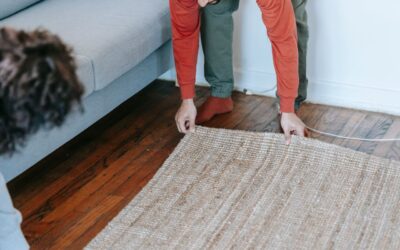
Sometimes the simplest solution is the best. Large area rugs or multiple layered rugs can cover most of a room’s floor. Use rug pad (non-adhesive grip pad) underneath to prevent slipping and add cushion.
Pros:
- Zero installation; just roll out
- Infinite style options
- Adds warmth and sound absorption
- Take them with you when you move
Cons:
- Doesn’t cover the floor edge-to-edge
- Edges can trip people
- Needs regular vacuuming underneath to prevent dirt buildup
- Quality large rugs are expensive ($200 to $1,000+)
Best over: Any existing floor, but especially useful over stained carpet or cold concrete
Carpet Tiles (Loose Lay)
Loose-lay carpet tiles sit on the floor without adhesive, held in place by their weight and a grippy backing. They transform cold or ugly floors into a soft, warm surface. FLOR is the best-known residential brand, but budget options from big-box stores work too.
Pros:
- Warm and soft underfoot
- Sound absorbing
- Fully removable and reusable
- Replace individual tiles if one gets stained
- Create patterns with different colors
Cons:
- Can shift if not butted tightly together
- Not ideal for kitchens or bathrooms
- Moderate cost ($2 to $6 per square foot)
Rolled Vinyl Flooring (Loose Lay)
Sheet vinyl comes in 6-foot or 12-foot wide rolls. In a rental, you can cut it to room size and lay it loosely, using only double-sided carpet tape at doorways to prevent tripping. The weight of the material keeps it flat across the room.
Pros:
- Affordable ($0.50 to $3 per square foot)
- Waterproof
- No seams in small rooms
- Easy to clean
Cons:
- Can wrinkle or bubble if not flat enough
- Difficult to transport (heavy rolls)
- Limited style options compared to plank formats
- Challenging to cut precisely around obstacles
How to Choose the Right Option for Your Rental
Consider Your Existing Floor
The floor you’re covering dictates which temporary options work best:
- Over old carpet: Interlocking rigid tiles, foam tiles, or area rugs. Avoid peel-and-stick, since it won’t adhere properly to carpet.
- Over concrete: Interlocking tiles (foam or rigid), loose-lay vinyl plank, carpet tiles, or area rugs with thick padding.
- Over old vinyl or linoleum: Loose-lay LVP, peel-and-stick tiles, click-lock floating planks, or carpet tiles.
- Over hardwood you want to protect: Felt-backed area rugs (avoid rubber-backed rugs that can discolor hardwood), loose-lay carpet tiles, or foam tiles for short-term use.
- Over tile: Loose-lay LVP, click-lock floating planks, interlocking tiles, carpet tiles, or area rugs.
Factor In Your Timeline
How long you plan to stay affects the best investment:
- Less than 1 year: Area rugs, foam tiles, or peel-and-stick vinyl. Keep costs low since you’ll move soon.
- 1 to 3 years: Loose-lay LVP, carpet tiles, or interlocking rigid tiles. The higher upfront cost pays off over time, and you can take them to your next place.
- 3+ years: Click-lock floating LVP or high-quality carpet tiles. Invest in something that looks great and lasts, since you’ll enjoy it for years.
Installation Tips for Renters
Document Everything First
Before installing any temporary flooring, photograph the existing floor from multiple angles in good lighting. Date the photos and store them in the cloud. This protects you if there’s a dispute about the condition of the original floor when you move out.
Don’t Modify Baseboards or Trim
Removing or modifying baseboards crosses the line from temporary to permanent. If your floating floor leaves a visible expansion gap at the walls, cover it with removable quarter-round molding attached with Command strips or painter’s tape, not nails.
Handle Transitions at Doorways
Where your temporary floor meets the hallway, use a transition strip secured with heavy-duty double-sided tape rather than screws. Peel-and-stick transition strips designed for floating floors work well and remove cleanly.
Test Adhesive Products First
If you’re using peel-and-stick tiles, apply one tile in an inconspicuous area (behind where the couch will go) and leave it for a week. Then peel it up and check for residue or discoloration. Better to discover a problem on one tile than after covering the entire room.
What About Lease Restrictions?
Most leases don’t specifically address temporary flooring. However, a few points to consider:
- Read your lease carefully. Some leases prohibit “alterations” without landlord approval. Temporary flooring arguably isn’t an alteration, but it’s safer to ask.
- Get written permission. A quick email to your landlord explaining that you plan to lay removable flooring (and that you’ll remove it and leave the original floor undamaged) usually gets a yes and protects you legally.
- Some landlords love it. If your temporary floor protects the existing floor from wear, your landlord may actively encourage it.
Frequently Asked Questions
Can I put temporary flooring over carpet?
Yes, but your options are limited. Interlocking rigid tiles (PVC or polypropylene) are the best choice because they bridge over carpet and create a firm surface. Foam tiles also work. You cannot install floating LVP or peel-and-stick products over carpet, because they need a hard, flat surface.
Will peel-and-stick vinyl damage hardwood floors?
It can. The adhesive may leave residue that requires a solvent to remove, and some solvents can damage hardwood finish. If you want to cover hardwood, loose-lay LVP, carpet tiles, or area rugs are safer choices.
How do I keep loose-lay flooring from sliding?
Use a non-slip rug pad underneath for carpet tiles and area rugs. For loose-lay vinyl plank, the friction-grip backing should hold on hard surfaces. If it shifts, apply strips of double-sided carpet tape at the room perimeter and doorways only, not across the entire floor.
What’s the cheapest way to cover ugly rental floors?
Large area rugs from discount retailers or secondhand stores are the cheapest option. For wall-to-wall coverage, foam interlocking tiles at $1 to $2 per square foot are hard to beat. Peel-and-stick vinyl tiles run $0.50 to $1.50 per square foot and look better than foam.
Can I install floating flooring in a rental apartment?
Technically yes, but consider the logistics. Floating floors need expansion gaps, work best with baseboards (which you shouldn’t modify), and take time to install and remove. For short-term rentals, simpler options like loose-lay tiles may be more practical.
Prefer to explore on your own?
See how new flooring looks in your actual room in seconds — free, no signup.
Try the free Floor Studio →