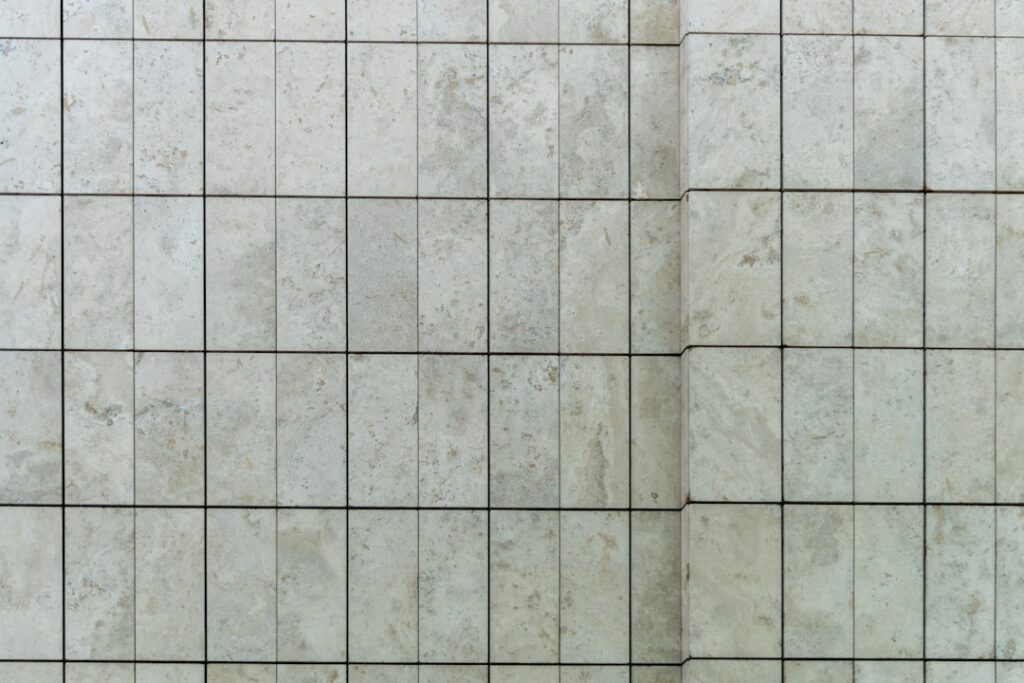
The term resilient tile covers a family of flooring products that compress underfoot and bounce back — luxury vinyl tile (LVT), vinyl composition tile (VCT), linoleum, cork, and rubber. Resilient tile sits in a different category than ceramic, porcelain, or stone tile because it offers softness underfoot, sound dampening, and warmer surface temperatures. Costs range from $1.50 per square foot for basic VCT in commercial settings to $12 per square foot for premium LVT from Shaw or Mohawk. Choosing the right resilient tile comes down to room use, moisture exposure, foot traffic intensity, and how much you value comfort versus a hard tile aesthetic.
Part of our Tile & Grout guide — explore the full guide →
The Five Types of Resilient Tile
Each category has a distinct use case and price point:
- LVT (Luxury Vinyl Tile): Premium photo-realistic stone and wood looks; $3 to $9 per sq ft
- VCT (Vinyl Composition Tile): Commercial-grade 12-inch squares; $0.90 to $2 per sq ft
- Linoleum: Natural product made from linseed oil; $4 to $8 per sq ft
- Rubber: Gym and basement flooring; $3 to $12 per sq ft
- Cork: Eco-friendly with insulation properties; $3 to $8 per sq ft
LVT dominates residential resilient tile sales because it visually mimics expensive materials at a fraction of the cost. The other four hold niche but important market positions in commercial, industrial, and specialty residential applications.
Luxury Vinyl Tile Brand Spotlight
Three brands lead the residential LVT market in 2026:
Shaw Floorte Pro Plus HD — 6mm thickness with a 22-mil wear layer for high-traffic homes. Patterns range from rustic oak to honed marble. Lifetime residential warranty, 15-year light commercial. Sells for $4 to $6 per square foot.
Mohawk SolidTech Plus — Mohawk’s contractor favorite uses a stone polymer composite core that resists impact and indentation better than standard LVT. 100 percent waterproof, suitable for basements and bathrooms. Sells for $4.50 to $7 per square foot.
COREtec Pro Plus — The original SPC (stone plastic composite) brand. Cork backing built into every plank for sound dampening. Lifetime residential warranty and 10-year light commercial. Sells for $5 to $8 per square foot.
LVT vs Ceramic Tile
The biggest decision in resilient tile shopping is whether to choose LVT or step up to ceramic or porcelain. The trade-offs:
- Hardness: Ceramic dramatically outlasts LVT in indentation and scratch resistance
- Warmth: LVT stays 5 to 8 degrees Fahrenheit warmer than ceramic in winter
- Sound: LVT absorbs footfall noise; ceramic amplifies it
- Repair: Individual LVT planks pull up and replace; ceramic requires grout removal
- Cost: LVT installed runs $5 to $11 per square foot; ceramic installed runs $9 to $18
- Lifespan: LVT lasts 15 to 25 years; ceramic lasts 50-plus years
For kitchens, mudrooms, and basements, LVT wins on cost and comfort. For showers, mud-prone entries, and any room that sees regular standing water, ceramic remains the safer pick.
VCT for Garages and Workshops
Armstrong Standard Excelon and Mannington Essentials VCT remain the workhorses of commercial and DIY installations. The 12-by-12-inch square tiles glue down with full-spread adhesive over a sealed concrete subfloor.
VCT requires waxing every 6 to 12 months to maintain finish. Use a Hillyard Top Gloss or Diversey Brilliantize floor finish applied with a clean lamb’s wool applicator. The wax provides scratch resistance and creates the bright sheen common to commercial spaces. Skip wax and the tile dulls within 18 months.
For garages, a 1.5-millimeter VCT costs roughly $1.20 per square foot in materials. Versus $3 to $5 per square foot for an epoxy coating, VCT comes in dramatically cheaper while providing better impact resistance against dropped tools.
Installation Methods
Three installation methods cover almost every resilient tile product:
Glue-down: Full-spread adhesive applied to a properly prepared subfloor. Standard for VCT, sheet vinyl, and some commercial LVT. Requires perfectly flat substrate within 1/8 inch over 10 feet. Most permanent install — removal requires scraping and adhesive remediation.
Floating click-lock: Tongue-and-groove planks click together without adhesive. Standard for residential SPC and WPC LVT from COREtec, Shaw, and Mohawk. Installs over thin foam underlayment in a single weekend. Removable for repair or replacement.
Loose lay: Heavy backing holds tiles in place by friction and weight. Used in commercial settings where temporary installation matters. Karndean LooseLay is the leading product in this category.
Step-by-Step: Installing Click-Lock LVT
Step one: prep the subfloor. Vacuum thoroughly and check flatness with a 6-foot straightedge. Subfloor variation over 3/16 inch in 10 feet must be flattened with Henry 555 self-leveling underlayment before laying tile. Skip this step and joints will pop, planks will rock, and you will hear hollow spots underfoot.
Step two: roll out a 2-millimeter underlayment if not built into the plank. Most premium LVTs include attached underlayment. Cheaper products need separate underlayment for sound dampening and minor leveling correction.
Step three: layout the first row along the longest wall. Maintain a 1/4-inch expansion gap from all fixed walls — LVT expands and contracts with temperature changes. Use spacers from Roberts or QEP.
Step four: click planks together at a 30-degree angle, then lower to lock. Stagger end joints by at least 8 inches between rows. Cut planks for the last column with a Dremel Multi-Max or a sharp utility knife scored and snapped — no power saw needed for most LVT.
Step five: install transitions at room boundaries, install baseboards and shoe molding to cover expansion gaps. The job is complete and immediately walkable.
Maintenance and Cleaning
Resilient tile cleans easily with the right products. Use Bona Hard-Surface Floor Cleaner for LVT, COREtec One Step Floor Cleaner for SPC products, or a 1:10 dilution of plain water and Method All-Purpose Cleaner for VCT.
Avoid bleach, ammonia, and abrasive cleaners on any resilient tile. These strip surface coatings and dull the finish. Skip steam mops on LVT unless the manufacturer specifically approves them — most do not, and steam delaminates the wear layer over time.
Place felt pads under furniture legs to prevent indentation. Heavy appliances on LVT can leave permanent depressions within months without proper foot pads.
When to Choose Resilient Tile
Resilient tile makes sense in these spaces: kitchens, bathrooms, basements, laundry rooms, mudrooms, and any concrete subfloor. The combination of waterproofing, warmth, and comfort outperforms ceramic in most homes for these uses.
Skip resilient tile in formal living areas where the design language calls for natural hardwood or stone, in commercial high-traffic entries that demand ceramic durability, and in any space where heavy industrial equipment will roll across the floor regularly. Pick the right category for the room, and resilient tile delivers 15 to 25 years of reliable performance for half the cost of traditional alternatives.
Prefer to explore on your own?
See how new flooring looks in your actual room in seconds — free, no signup.
Try the free Floor Studio →