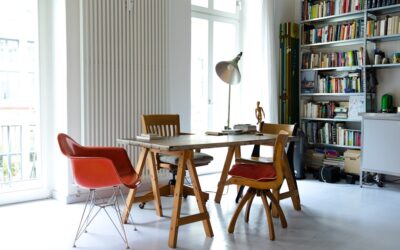
A resilient floor covering is any flooring that has some give underfoot yet bounces back, a category that includes vinyl, linoleum, rubber, and cork. If you want a floor that handles spills, foot traffic, and dropped dishes without complaint, a resilient floor covering is often the smartest choice for kitchens, baths, basements, and busy living areas. This guide explains the types, costs, and specs that matter.
- What Makes a Floor “Resilient”
- Vinyl Flooring: The Most Popular Choice
- Linoleum: The Natural Original
- Rubber Flooring: Tough and Comfortable
- Cork Flooring: Warm and Quiet
- Comparing Costs and Lifespan
- Installation and Subfloor Tips
- Choosing the Right Floor for Your Home
- Cleaning and Long-Term Care
- Resilient Versus Other Flooring Types
What Makes a Floor “Resilient”
The term resilient describes flooring that is firm but slightly elastic, so it absorbs impact and feels more comfortable to stand on than tile or stone. Drop a glass on resilient flooring and it may survive; drop it on ceramic and it shatters. That flexibility also makes these floors quieter and warmer underfoot.
Resilient products are typically water-resistant or fully waterproof, which is why they dominate kitchens, bathrooms, laundry rooms, and below-grade basements. They install over many existing subfloors and come in an enormous range of looks, including convincing wood and stone visuals.
Vinyl Flooring: The Most Popular Choice
Vinyl leads the resilient category by a wide margin. It is fully waterproof, durable, and available in sheets, tiles, and planks. Modern luxury vinyl plank (LVP) and luxury vinyl tile (LVT) print realistic wood and stone images under a clear protective layer.
Types of Vinyl
- Sheet vinyl: Comes in 6- or 12-foot-wide rolls with almost no seams, the most water-resistant option. Runs $1 to $4 per square foot.
- Luxury vinyl plank and tile: Rigid-core (SPC or WPC) planks that click together as a floating floor. Typically $2.50 to $7 per square foot.
- Vinyl composition tile (VCT): Durable commercial-grade squares often seen in schools and stores. Around $1 to $3 per square foot.
Why the Wear Layer Matters
The wear layer is the clear top coating that protects against scratches and scuffs, measured in mils (thousandths of an inch). For residential use, a 12-mil wear layer suits light traffic, 20 mil handles families and pets, and 28 mil or more is built for commercial abuse. Choosing too thin a wear layer is the most common reason vinyl floors look worn within a few years.
Linoleum: The Natural Original
Linoleum predates vinyl and is enjoying a comeback among eco-minded homeowners. It is made from linseed oil, cork dust, wood flour, and natural pigments pressed onto a jute backing, making it biodegradable and naturally antimicrobial. Color runs through the full thickness, so scratches are far less noticeable.
A quality linoleum floor lasts 25 to 40 years, longer than most vinyl. It costs about $3 to $7 per square foot for materials and needs periodic sealing to maintain water resistance. Unlike vinyl, linoleum is not naturally waterproof, so it is better suited to kitchens than to wet bathrooms.
Rubber Flooring: Tough and Comfortable
Rubber flooring is the resilient champion for cushioning and slip resistance, which is why you find it in gyms, playrooms, garages, and commercial kitchens. It comes in interlocking tiles, rolls, and mats, and shrugs off heavy impact while staying comfortable to stand on for hours.
Expect to pay $3 to $8 per square foot, with recycled rubber on the lower end and premium colored rubber higher. It resists moisture, dampens sound, and lasts 20 years or more. The trade-offs are a limited, utilitarian range of looks and a faint rubber odor that fades over the first few weeks.
Cork Flooring: Warm and Quiet
Cork is harvested from the bark of cork oak trees without cutting them down, making it a renewable resilient option. Millions of tiny air pockets make cork remarkably soft, warm, and quiet, and it provides natural thermal and acoustic insulation that suits bedrooms and home offices.
Cork runs $3 to $8 per square foot and installs as glue-down tiles or floating click planks. It needs sealing to resist moisture and can dent under heavy furniture or fade in strong sunlight. With proper care and resealing every few years, a cork floor lasts 20 to 30 years and feels wonderful underfoot.
Comparing Costs and Lifespan
Material price is only part of the picture; installation and lifespan determine real value. Here is how the main resilient options stack up:
- Sheet vinyl: $1 to $4 per sq ft, 10 to 20 year lifespan, fully waterproof.
- Luxury vinyl plank: $2.50 to $7 per sq ft, 15 to 25 years, waterproof and DIY-friendly.
- Linoleum: $3 to $7 per sq ft, 25 to 40 years, natural and biodegradable.
- Rubber: $3 to $8 per sq ft, 20-plus years, maximum cushion and grip.
- Cork: $3 to $8 per sq ft, 20 to 30 years, warmest and quietest.
Professional installation generally adds $1 to $4 per square foot, though click-lock LVP is one of the most approachable DIY floors available.
Installation and Subfloor Tips
A resilient floor is only as good as the surface beneath it. The subfloor must be clean, dry, and flat within about 3/16 inch over a 10-foot span, because dips and bumps telegraph through thin flooring and can crack rigid planks over time. Many vinyl products install over existing tile or vinyl if the old floor is solid and level.
Acclimate planks in the room for 48 hours before installing so they adjust to your home’s temperature and humidity. Floating floors need a small expansion gap, usually about 1/4 inch, around the perimeter so the floor can move with the seasons. In below-grade basements, test for moisture first and choose a fully waterproof product rated for concrete.
Choosing the Right Floor for Your Home
Match the material to the room. Pick waterproof vinyl or sheet goods for bathrooms and basements, durable LVP or linoleum for kitchens, cushioned rubber for gyms and play areas, and warm cork for bedrooms. Weigh the wear layer, the waterproof rating, and your tolerance for upkeep, and the right resilient floor covering will deliver comfort, durability, and easy cleaning for decades.
Cleaning and Long-Term Care
One of the biggest advantages of resilient flooring is how little it asks of you. Sweep or dry-mop regularly to keep grit from scratching the surface, then damp-mop with a mild, pH-neutral cleaner. Skip harsh abrasives, steam mops, and oil-based soaps, since heat and aggressive chemicals can dull the finish or break down the wear layer over time.
Place felt pads under furniture legs and use wide, soft caster wheels on rolling chairs to prevent dents and gouges. Walk-off mats at entry doors catch the grit and moisture that cause the most wear. For cork and linoleum, follow the manufacturer’s resealing schedule, usually every two to five years, to keep their water resistance intact.
Resilient Versus Other Flooring Types
It helps to know where resilient flooring fits against the alternatives. Compared with ceramic tile, it is warmer, softer, quieter, and far more forgiving of dropped items, though tile wins on heat resistance and ultimate hardness. Compared with hardwood, resilient options cost less, resist water better, and need no refinishing, but they will not add quite the same resale prestige as solid wood.
Against carpet, resilient flooring is easier to clean, more allergy-friendly, and better in moisture-prone rooms, while carpet stays softer and warmer underfoot. For most kitchens, baths, basements, and high-traffic areas, the balance of waterproofing, comfort, durability, and price tips strongly in favor of a resilient choice.
Prefer to explore on your own?
See how new flooring looks in your actual room in seconds — free, no signup.
Try the free Floor Studio →