Resin flooring is a liquid-applied, seamless floor system that cures into a continuous, hard-wearing surface bonded directly to a concrete or cementitious substrate. Unlike tile, hardwood, or sheet flooring, a resin floor has no joints, seams, or grout lines—just one unbroken surface that resists chemicals, moisture, impact, and heavy foot or vehicle traffic for years.
The term “resin flooring” is an umbrella category. It encompasses several distinct chemistries—epoxy, polyurethane, PMMA, and polyaspartic—each with different performance characteristics, cure times, and ideal applications. If you have been researching epoxy flooring or exploring options for your garage floor, you have already encountered one branch of the resin family. This guide covers the full picture: every resin type compared, resin flooring cost per square foot, installation process, design possibilities, maintenance requirements, and how to choose the right system for your space.
- What Is Resin Flooring?
- Types of Resin Flooring
- Resin Flooring vs. Epoxy Flooring: What Is the Difference?
- Resin Types Compared
- Resin Flooring Cost
- Residential vs. Commercial Resin Flooring
- Installation Process
- Design Options for Resin Floors
- Pros and Cons of Resin Flooring
- Durability and Lifespan
- Maintenance
- Cure Times by Resin Type
- Can You DIY Resin Flooring?
- Best Rooms and Uses for Resin Flooring
- Frequently Asked Questions About Resin Flooring
- Final Thoughts
What Is Resin Flooring?
A resin floor is created by mixing a liquid resin component with a chemical hardener or catalyst and then applying the blended material directly onto a prepared substrate. As the mixture cures, an exothermic chemical reaction transforms the liquid into a solid, thermoset polymer that bonds permanently to the concrete beneath it. The result is a monolithic surface—seamless from wall to wall—that is far thicker, harder, and more chemically resistant than paint or standard floor coatings.
Because the material is applied in liquid form, a resin floor coating conforms precisely to the shape of the substrate. It fills micro-cracks and minor imperfections, creating a smooth, level finish that can be tailored to virtually any color, texture, or decorative effect. This combination of performance engineering and design flexibility is what has driven the rapid adoption of resin flooring across commercial, industrial, and residential resin flooring projects alike.
It is worth noting that all resin floors share certain core advantages: they are seamless, hygienic, chemical-resistant, and extremely durable. The differences between resin types lie in cure speed, flexibility, UV stability, temperature tolerance, and cost—factors we explore in detail below.
Types of Resin Flooring
Understanding the different resin chemistries is essential for selecting the right system. Each type offers a distinct balance of performance, aesthetics, and price.
Epoxy Resin Flooring
Epoxy resin flooring is the most widely used resin floor system in the world. It is created by combining an epoxide resin (Part A) with a polyamine hardener (Part B). The cross-linking reaction produces an exceptionally hard, chemical-resistant surface that bonds tenaciously to concrete.
Epoxy systems are available in several formats: 100% solids epoxy for maximum thickness and durability, water-based epoxy for lighter-duty applications, and solvent-based epoxy for industrial environments. Professional-grade solid epoxy builds to 10 to 20 mils per coat and lasts 15 to 20 years or longer. Epoxy accepts a wide range of decorative treatments including metallic pigments, vinyl flakes, and quartz broadcast, making it one of the most versatile options available. For a detailed breakdown, see our complete epoxy flooring guide.
The main limitation of epoxy is its susceptibility to UV yellowing. In spaces exposed to direct sunlight, an epoxy floor will amber over time unless protected with a UV-stable topcoat. Epoxy also has comparatively longer cure times—typically 24 to 72 hours before foot traffic is permitted.
Polyurethane Resin Flooring
Polyurethane resin flooring uses a polyurethane polymer as its base, producing a floor that is more flexible and UV-stable than epoxy. Where epoxy excels in hardness and compressive strength, polyurethane excels in elasticity, thermal shock resistance, and abrasion resistance under rolling or sliding loads.
Polyurethane resin floors are the preferred choice for food and beverage processing facilities, commercial kitchens, cold storage areas, and pharmaceutical plants—environments where thermal cycling, chemical wash-downs, and strict hygiene standards are the norm. A polyurethane floor can withstand temperatures ranging from -40°F to over 250°F without cracking or delaminating, a range that epoxy cannot match.
In residential settings, polyurethane is most commonly used as a clear topcoat over epoxy, combining epoxy’s adhesion and build thickness with polyurethane’s UV resistance and scratch tolerance. This layered approach gives you the best of both chemistries.
PMMA Resin Flooring
PMMA (polymethyl methacrylate) resin flooring is a fast-curing system that can be applied and returned to service in as little as one to two hours. This extraordinary speed makes PMMA the go-to choice for environments that cannot tolerate extended downtime: hospitals, airports, retail stores, and active manufacturing floors.
PMMA floors offer excellent UV stability, good chemical resistance, and strong adhesion even at temperatures as low as -22°F. They can be installed year-round in virtually any climate. The tradeoff is cost—PMMA resin is significantly more expensive than epoxy or polyurethane, and the rapid cure demands experienced installers who can work quickly and precisely.
Polyaspartic Resin Flooring
Polyaspartic coatings are a subset of polyurea technology that has gained enormous popularity in the residential and light commercial market over the past decade. A polyaspartic resin floor coating cures in four to six hours, is inherently UV-stable (no yellowing), and offers excellent abrasion and chemical resistance.
Polyaspartic systems are especially popular for garage floors and outdoor surfaces because they resist hot-tire pickup, do not yellow in sunlight, and can often be applied as a single-day system. Many professional garage flooring installers have transitioned from epoxy to polyaspartic for these reasons. The material costs more than standard epoxy but less than PMMA, placing it in an attractive middle ground for projects where speed and UV stability matter.
Resin Flooring vs. Epoxy Flooring: What Is the Difference?
One of the most common points of confusion is the relationship between “resin flooring” and “epoxy flooring.” The answer is straightforward: epoxy is one type of resin flooring. The term “resin flooring” refers to the entire category of liquid-applied, chemically cured floor systems. Epoxy resin flooring is the most common member of that category, but it sits alongside polyurethane, PMMA, and polyaspartic systems.
Think of it like this: all epoxy floors are resin floors, but not all resin floors are epoxy. When someone says “resin floor,” they could be referring to any of the chemistries discussed above. When someone says “epoxy floor,” they are specifying one particular chemistry.
Why does the distinction matter? Because different resin types are optimized for different conditions. Choosing epoxy when you actually need polyurethane—for instance, in a commercial kitchen with steam cleaning and thermal shock—could lead to premature failure. Understanding the broader resin flooring landscape ensures you select the right chemistry for your specific environment, traffic load, and performance requirements.
Resin Types Compared
| Feature | Epoxy | Polyurethane | PMMA | Polyaspartic |
|---|---|---|---|---|
| Cost per Sq Ft (installed) | $4 – $12 | $6 – $14 | $10 – $18 | $6 – $12 |
| Cure Time (foot traffic) | 24 – 72 hours | 24 – 48 hours | 1 – 2 hours | 4 – 6 hours |
| Full Cure | 7 – 14 days | 5 – 7 days | 2 – 3 hours | 24 hours |
| UV Stability | Poor (yellows) | Moderate to good | Excellent | Excellent |
| Chemical Resistance | Excellent | Very good | Good | Very good |
| Flexibility | Rigid | Semi-flexible | Semi-flexible | Semi-flexible |
| Temperature Tolerance | Moderate | Wide range (-40°F to 250°F+) | Good (installs at -22°F+) | Good |
| Abrasion Resistance | Very good | Excellent | Good | Very good |
| Best Use | Garages, basements, warehouses, showrooms | Commercial kitchens, food processing, cold storage | Hospitals, airports, retail (minimal downtime) | Garages, patios, retail, light commercial |
Resin Flooring Cost
The cost of a resin floor depends on the resin chemistry, the number of coats, decorative additions, substrate condition, and project size. Here is a general breakdown of resin flooring cost per square foot, including professional installation.
- Epoxy resin flooring: $4 – $12 per sq ft. Basic solid-color epoxy sits at the lower end; metallic and decorative flake systems push toward the higher end. See our epoxy flooring cost guide for a detailed breakdown.
- Polyurethane resin flooring: $6 – $14 per sq ft. The higher price reflects superior flexibility, temperature tolerance, and UV resistance.
- PMMA resin flooring: $10 – $18 per sq ft. The premium covers rapid-cure chemistry and the specialized skill required for installation.
- Polyaspartic resin flooring: $6 – $12 per sq ft. Competitive with mid-range epoxy while offering faster cure and UV stability.
What Affects the Price?
Several factors determine where your project falls within these ranges. Substrate condition is one of the biggest variables: a clean, sound concrete slab requires minimal preparation, while a cracked, contaminated, or moisture-laden floor may need grinding, shot-blasting, crack repair, or a moisture mitigation system before any resin can be applied. These prep costs can add $1 to $3 per square foot.
Decorative treatments also impact price. A simple single-color broadcast costs less than a full metallic effect or a multi-color quartz system. Project size matters as well—larger areas benefit from economies of scale, reducing the per-square-foot rate. Geographic location and local labor rates round out the equation.
For a typical two-car garage of 400 to 500 square feet, expect to pay $2,000 to $5,000 for a professional epoxy or polyaspartic flake system, and $3,000 to $7,000 for a premium metallic or polyurethane installation.
Residential vs. Commercial Resin Flooring
Residential Applications
Residential resin flooring has grown dramatically in recent years as homeowners discover that the seamless, high-performance surfaces once reserved for factories and hospitals can transform their own living spaces. The most popular residential applications include:
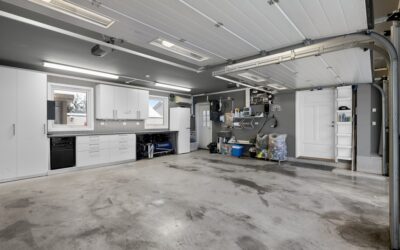
- Garages: The single most common use for resin flooring in homes. Epoxy and polyaspartic systems resist oil, chemicals, hot tires, and road salt while creating a clean, showroom-quality garage floor.
- Basements: Resin’s seamless, moisture-resistant surface is ideal for below-grade spaces where dampness is a concern.
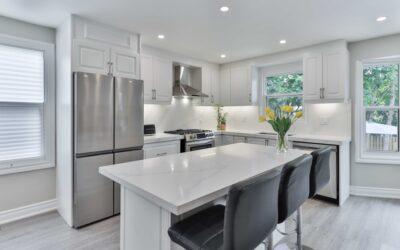
- Kitchens and bathrooms: Decorative metallic or solid-color resin floors deliver a sleek, modern look while being impervious to water and easy to sanitize.
- Living areas: High-end metallic and 3D resin floors are increasingly specified in open-plan living rooms and lofts for a dramatic design statement.
- Patios and pool decks: UV-stable polyaspartic systems work well outdoors, providing a durable and slip-resistant surface.
Commercial and Industrial Applications
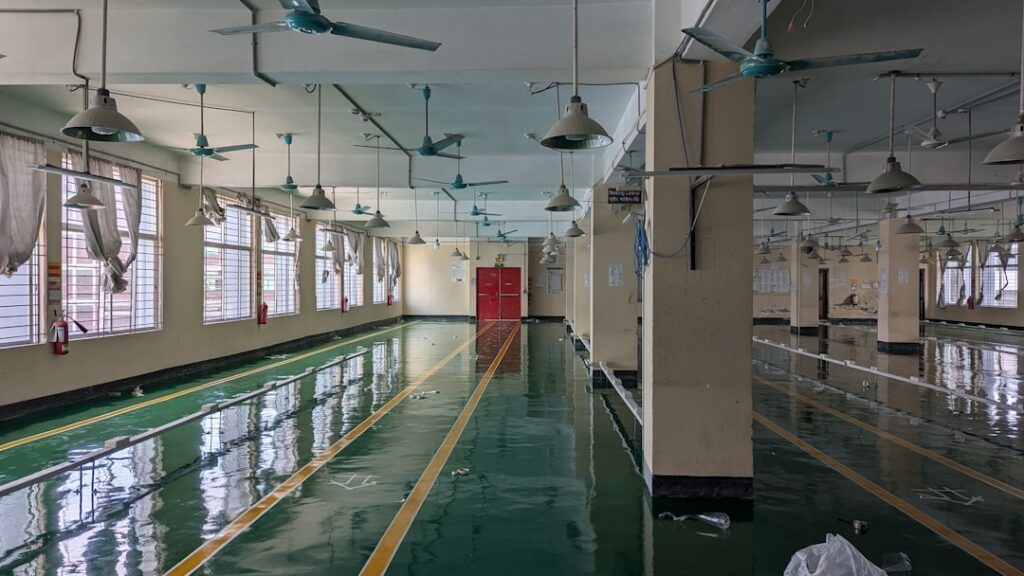
Resin flooring remains dominant in commercial and industrial environments where performance requirements go beyond what conventional flooring can deliver. Warehouses and distribution centers rely on heavy-duty epoxy to handle forklift traffic and pallet loads. Food processing plants and commercial kitchens specify polyurethane for its thermal shock resistance and hygienic properties. Hospitals, airports, and retail stores choose PMMA or polyaspartic when rapid installation and minimal downtime are critical. Pharmaceutical facilities and cleanrooms use seamless resin to meet strict contamination control standards.
Installation Process
Regardless of the resin chemistry chosen, every resin floor installation follows the same fundamental sequence. Proper execution at each stage is critical to a long-lasting result.
Step 1: Substrate Preparation
Surface preparation is the single most important factor in resin floor performance. The concrete substrate must be clean, dry, structurally sound, and profiled to accept the resin bond. Mechanical preparation methods include diamond grinding, shot-blasting, and scarifying. These techniques remove surface contaminants, laitance, and existing coatings while creating a rough profile (typically CSP 2 to 4) that gives the resin something to grip.
Cracks are filled with flexible epoxy fillers, and expansion joints are honored. If moisture vapor transmission exceeds acceptable levels (typically 3 to 5 lbs per 1,000 sq ft over 24 hours measured by calcium chloride test), a moisture mitigation system must be applied before proceeding.
Step 2: Priming
A thin coat of resin primer is rolled or squeegeed onto the prepared concrete. The primer penetrates the pores of the substrate and creates a chemical bridge between the concrete and the subsequent resin layers. Some systems use a self-priming body coat, eliminating this step.
Step 3: Body Coat Application
The main resin layer (or layers) is mixed and applied. For self-leveling systems, the material is poured onto the floor and spread with a gauge rake, then back-rolled with a spiked roller to release trapped air. For roller-applied coatings, the resin is spread in even passes with a heavy-nap roller. Decorative elements—flakes, quartz, metallic pigments—are introduced at this stage.
Step 4: Curing
The floor must cure undisturbed for the time dictated by the resin chemistry. Epoxy needs 24 to 72 hours for foot traffic and 7 to 14 days for full mechanical cure. Polyaspartic cures in 4 to 6 hours. PMMA can be walked on in as little as one hour. During curing, temperature and humidity must be controlled to ensure proper cross-linking.
Step 5: Topcoat and Sealing
A clear topcoat is applied to seal the decorative layer, add UV protection (if using a polyurethane or polyaspartic topcoat over epoxy), enhance gloss or create a matte finish, and provide an additional wear layer. Some systems incorporate anti-slip aggregates in the topcoat for safety in wet areas.
Design Options for Resin Floors
One of the most compelling reasons to choose a resin floor is the sheer range of aesthetic possibilities. Unlike pre-manufactured flooring products constrained by print patterns or natural material limitations, resin flooring is crafted in place, allowing for nearly limitless customization.
Metallic Resin Flooring
Metallic pigments suspended in the resin create swirling, three-dimensional visual effects that resemble flowing lava, liquid metal, or polished marble. Each metallic floor is unique—the patterns are manipulated by the installer using rollers, brushes, and blowers during application. This is the most visually dramatic resin option and a popular choice for showrooms, high-end garages, and modern living spaces.
Flake and Chip Systems
Decorative vinyl flakes are broadcast into the wet resin, creating a multi-colored, textured surface. Flake floors are available in hundreds of color blends and provide excellent slip resistance. They are the most popular decorative treatment for garage floors and commercial spaces.
Solid Color
A clean, single-color resin floor delivers a minimalist, polished look. Solid-color floors are available in virtually any hue and can be finished in high gloss, satin, or matte. This is the most affordable decorative option and the standard choice for industrial and commercial applications where aesthetics are secondary to performance.
3D and Custom Graphics
Advanced resin systems can incorporate printed graphics, logos, or photographic images beneath a clear resin topcoat, creating striking three-dimensional floor art. While primarily used in commercial and retail environments, 3D resin floors have found a niche in residential bathrooms and feature areas where homeowners want a truly show-stopping surface.
Quartz Broadcast
Colored quartz granules are broadcast into the resin to create a granite-like, highly durable surface with excellent traction. Quartz systems are favored for high-traffic commercial spaces, restrooms, and building entryways where both durability and slip resistance are essential.
Pros and Cons of Resin Flooring
Advantages
- Seamless and hygienic: No joints, grout lines, or seams where dirt, bacteria, or moisture can accumulate. Resin floors meet the strict hygiene requirements of hospitals, food plants, and pharmaceutical facilities.
- Exceptional durability: A professionally installed resin floor lasts 10 to 20+ years under heavy use. The thermoset polymer surface resists impact, abrasion, and chemical spills far better than tile, vinyl, or painted concrete.
- Design versatility: From industrial grey to swirling metallic art, resin floors offer a design range unmatched by any other flooring category.
- Moisture and chemical resistance: Resin floors are impervious to water, oil, fuel, cleaning chemicals, and most industrial solvents when the correct chemistry is selected.
- Easy to clean: The smooth, non-porous surface requires only sweeping and damp mopping. No waxing, polishing, or deep scrubbing is needed.
- Fast return to service: Polyaspartic and PMMA systems allow spaces to reopen in hours rather than days, minimizing business disruption.
- Adds value: A high-quality resin floor enhances the perceived value of garages, basements, and commercial spaces.
Disadvantages
- Professional installation required: Most resin systems demand skilled application, specialized equipment, and controlled environmental conditions. This is not a casual weekend project.
- Substrate sensitivity: Resin floors are only as good as the concrete beneath them. Moisture issues, cracks, or poor preparation will cause delamination and failure regardless of the resin quality.
- Hard underfoot: Like concrete flooring, resin is a rigid surface that can be uncomfortable during prolonged standing without anti-fatigue mats.
- Slippery when wet (if untreated): High-gloss resin floors can be slick when wet. Anti-slip additives or textured broadcast systems address this but must be specified during installation.
- UV yellowing (epoxy): Standard epoxy resin will yellow when exposed to UV light. A UV-stable topcoat or a different resin chemistry is needed for sun-exposed areas.
- Removal is difficult: Once cured, resin floors are extremely difficult and expensive to remove. Choosing the wrong system or color means living with it or paying for aggressive mechanical removal.
Durability and Lifespan
A well-installed resin floor is one of the most durable surfaces you can put underfoot. Epoxy and polyurethane systems in commercial environments routinely last 15 to 20 years before requiring recoating, and many industrial installations exceed 25 years. Residential resin floors, which face lighter traffic, can last even longer.
The key factors that determine longevity are substrate preparation quality, resin system selection, coating thickness, and maintenance practices. A 100% solids epoxy applied at 20 mils over properly shot-blasted concrete will vastly outlast a thin, water-based epoxy rolled over dusty, unprepped concrete. This is why professional installation—despite its higher upfront cost—almost always delivers better long-term value.
Resin floors can also be recoated rather than replaced. When the topcoat begins to show wear, a light abrasion and a fresh topcoat layer restore the surface to like-new condition at a fraction of the original installation cost.
Maintenance
Maintaining a resin floor is straightforward and significantly less demanding than caring for hardwood, natural stone, or grouted tile.
- Daily: Sweep or dust mop to remove grit and debris. In commercial settings, an auto-scrubber provides the most efficient daily cleaning.
- Weekly: Damp mop with a neutral pH cleaner and warm water. Avoid harsh abrasive cleaners and ammonia-based products, which can dull the surface over time.
- As needed: Clean chemical spills promptly. While resin floors resist most chemicals, prolonged exposure to strong acids, solvents, or caustics can stain or soften the surface.
- Annually: Inspect for wear, scratches, or areas where the topcoat is thinning. Address these early with a spot repair or localized recoat to prevent larger issues.
Avoid dragging heavy equipment or sharp objects across the surface without protective pads. Use walk-off mats at entry points to trap grit before it reaches the resin floor. With these simple practices, your resin floor will maintain its appearance and performance for years.
Cure Times by Resin Type
Cure time is often a deciding factor in resin selection, particularly for commercial projects where every hour of downtime has a cost. Here is a summary of what to expect:
- Epoxy: Light foot traffic in 24 to 72 hours. Full mechanical and chemical cure in 7 to 14 days. Vehicle traffic typically at 7 days.
- Polyurethane: Foot traffic in 24 to 48 hours. Full cure in 5 to 7 days.
- PMMA: Foot traffic in 1 to 2 hours. Full cure in 2 to 3 hours. The fastest resin system available.
- Polyaspartic: Foot traffic in 4 to 6 hours. Full cure in approximately 24 hours. Often installed as a single-day system.
Temperature and humidity affect all cure times. Cold or humid conditions slow the reaction, while warm, dry conditions accelerate it. Always follow manufacturer specifications for the product being used.
Can You DIY Resin Flooring?
The honest answer is: it depends on the system and your experience level. DIY epoxy kits sold at home improvement stores are designed for consumer application and can produce acceptable results in a garage or utility room—provided you follow preparation instructions to the letter. Grinding or acid-etching the concrete, repairing cracks, and applying the coating in the correct conditions are all critical steps that many DIY installers underestimate.
However, professional-grade resin systems—100% solids epoxy, metallic epoxy, polyurethane, PMMA, and polyaspartic—are not realistic DIY projects for most homeowners. These materials have short pot lives, require precise mixing ratios, demand specialized equipment (diamond grinders, shot-blasters, spiked rollers, squeegees), and leave very little room for error. A mistake during application often cannot be corrected without grinding off the failed coating and starting over.
If you are coating a small, low-stakes area like a utility room or workshop, a quality two-part DIY epoxy kit can be a cost-effective choice. For living spaces, garages where appearance matters, or any commercial application, professional installation is strongly recommended. The cost difference between DIY and professional work is modest compared to the cost of fixing a failed DIY installation.
Best Rooms and Uses for Resin Flooring
Resin flooring works in nearly any interior space and many exterior ones, but certain applications deliver the best return on investment:
- Garages: The number-one residential application. Resin transforms a dusty concrete slab into a clean, durable, easy-to-maintain showroom floor.
- Basements: Seamless, moisture-resistant, and easy to clean—ideal qualities for below-grade living space.
- Kitchens: Commercial kitchens use polyurethane resin almost universally. Residential kitchens benefit from the same seamless hygiene.
- Bathrooms and laundry rooms: Waterproof and grout-free, resin eliminates the maintenance headaches of tiled wet areas.
- Retail and showrooms: Metallic and decorative resin floors create striking first impressions and withstand heavy foot traffic.
- Warehouses and factories: Heavy-duty epoxy and polyurethane handle forklift traffic, chemical spills, and decades of industrial use.
- Healthcare facilities: Seamless, non-porous resin meets stringent infection control and sanitation standards.
- Outdoor patios and pool surrounds: UV-stable polyaspartic systems resist sun exposure and provide slip-resistant surfaces around water.
Frequently Asked Questions About Resin Flooring
Is resin flooring the same as epoxy flooring?
No. Epoxy resin flooring is one type of resin flooring, but the category also includes polyurethane, PMMA, and polyaspartic systems. Each uses a different resin chemistry with distinct performance characteristics. Epoxy is the most common and widely recognized resin floor, which is why the terms are sometimes used interchangeably, but they are not synonymous. If you need UV stability, rapid cure times, or extreme temperature resistance, a non-epoxy resin may be the better choice.
How much does resin flooring cost?
Resin flooring cost ranges from approximately $4 to $18 per square foot installed, depending on the resin type and decorative treatment. Basic epoxy floor coatings start around $4 to $6 per square foot, while premium metallic epoxy, polyurethane, and PMMA systems can reach $12 to $18 per square foot. Substrate preparation, project size, and geographic location also affect the final price. For a 500-square-foot garage, most homeowners spend $2,000 to $6,000 for a professional installation.
How long does a resin floor last?
A professionally installed resin floor typically lasts 10 to 20 years in commercial settings and even longer in residential spaces with lighter traffic. Epoxy and polyurethane systems commonly exceed 15 years, and some industrial installations remain in service for 25 years or more. Lifespan depends on substrate preparation quality, coating thickness, resin chemistry, traffic intensity, and maintenance practices. Resin floors can also be recoated to extend their service life further.
Can resin flooring be installed over existing tiles or flooring?
In most cases, existing flooring should be removed and the concrete substrate properly prepared before resin application. Resin bonds directly to concrete through mechanical adhesion to the surface profile, and any intermediate layer compromises that bond. In some limited situations, resin can be applied over well-bonded, non-flexible existing coatings after thorough abrasion, but this approach carries higher risk of delamination. A moisture test and adhesion test should always be performed before proceeding.
Is resin flooring suitable for homes with underfloor heating?
Yes. Resin flooring is compatible with underfloor heating systems and actually performs well in this combination because the thin, thermally conductive resin layer transfers heat efficiently from the slab to the room. The heating system should be commissioned and cycled before resin installation to stabilize the substrate. During installation and curing, the heating must be turned off and the slab temperature maintained within the resin manufacturer’s recommended range, typically 50°F to 85°F.
Final Thoughts
Resin flooring has evolved well beyond its industrial origins into a versatile, high-performance surface system suited to everything from residential garages and modern kitchens to hospital corridors and aircraft hangars. Its seamless nature, outstanding durability, chemical resistance, and remarkable design flexibility make it one of the most capable flooring categories available today.
The key to a successful resin floor is matching the right chemistry to the right application. Epoxy delivers the best value for most residential and commercial projects. Polyurethane handles the toughest thermal and chemical demands. PMMA solves the downtime problem. Polyaspartic offers a compelling blend of speed, UV stability, and performance. And in every case, professional substrate preparation and skilled application are what separate a resin floor that lasts decades from one that fails in months.
Whether you are upgrading your garage, renovating a commercial kitchen, or designing a striking retail space, resin flooring deserves serious consideration. The initial investment pays for itself in longevity, low maintenance, and a surface that looks and performs better than virtually any alternative.
Prefer to explore on your own?
See how new flooring looks in your actual room in seconds — free, no signup.
Try the free Floor Studio →