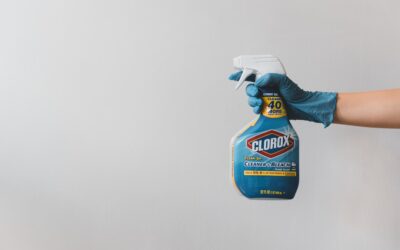
Resolve carpet foam is one of the most recognizable spot and high-traffic cleaners on store shelves, made by the well-known Resolve carpet-care brand. If you have ever fought a coffee spill or a muddy trail of footprints across the living room, Resolve carpet foam is designed to be the grab-and-spray solution that lifts dirt without the hassle of renting a machine.
What Resolve Carpet Foam Is
Resolve is a household brand focused on carpet and upholstery cleaning, and its foam product is an aerosol-style cleaner you spray directly onto carpet. Rather than soaking the fibers with liquid, it dispenses a foam that you work in and then vacuum away once it has done its job. The foam format is meant to make spot treatment and light refreshing quick and low-mess.
Because formulas and packaging can change over time, always read the specific can you buy for current directions and ingredients. The general approach described here reflects how foam carpet cleaners in this category are typically used, but the label is your authoritative source.
How the Foam Cleaner Works
Foam carpet cleaners rely on surfactants, the same class of cleaning agents found in many detergents, to surround and loosen dirt, oils, and stains clinging to carpet fibers. When you spray the foam, it expands and clings to the fibers rather than running straight down to the backing, which helps keep the moisture concentrated where the dirt sits.
As you brush or blot the foam into the carpet, it grabs onto soil particles and suspends them. Vacuuming then pulls the loosened dirt out along with the dried residue. The result is a spot or area that looks cleaner without the long drying times associated with deep wet extraction.
When to Reach for It
Foam cleaners shine in specific situations rather than as a whole-house deep clean. They are well suited to:
- Fresh spills like coffee, juice, soda, and food, caught before they set.
- High-traffic lanes such as hallways, entryways, and the path in front of a sofa.
- Spot-refreshing a small area before guests arrive.
- Touching up between full professional or machine cleanings.
For wall-to-wall deep cleaning, embedded pet odors, or years of accumulated grime, a hot-water extraction machine or a professional service will outperform any spot foam.
How to Use It Step by Step
Getting good results comes down to patience and following the directions on the can. While exact instructions vary by product, the typical routine looks like this:
- Vacuum the area first to remove loose dirt and debris.
- Blot up any liquid from a fresh spill with a clean white cloth, working from the outside in.
- Shake the can and spray an even layer of foam over the stain or traffic area, holding it at the distance the label specifies.
- Work the foam in gently with a clean cloth or a soft brush, avoiding harsh scrubbing that can fray fibers.
- Let it dwell for the time stated on the label so the cleaning agents can do their work.
- Allow the area to dry fully, then vacuum thoroughly to lift the residue and refresh the pile.
Test First and Read the Label
Carpets vary enormously in fiber type, dye, and backing, so a spot test is always worth the extra two minutes. Apply a small amount of foam to an inconspicuous corner or closet area, let it dry, and check for color change or texture damage before treating a visible spot.
Pay attention to any carpet manufacturer warnings as well. Some wool and natural-fiber carpets, along with certain stain-resistant treatments, have specific cleaning requirements, and using the wrong product can void a warranty or harm the fibers. The product label and your carpet’s care guide together tell you whether the cleaner is appropriate.
Safety and Smart Handling
Treat any cleaning product with basic care. Use it in a ventilated room, keep aerosol cans away from heat and open flame, and store them out of reach of children and pets. Avoid mixing it with other cleaning chemicals, which can create unpredictable and harmful reactions.
If you have sensitivities, wearing household gloves and opening a window helps. Should the product contact your eyes or skin in a way that causes irritation, follow the first-aid guidance printed on the can. As with any chemical, the manufacturer’s instructions take priority over general advice.
Getting the Best Long-Term Results
Spot foam works best as part of a broader carpet-care routine rather than a one-and-done fix. Vacuuming regularly, dealing with spills immediately, and placing mats at entrances all reduce how hard any cleaner has to work. The faster you treat a stain, the more likely it lifts completely.
Even with diligent spot cleaning, carpets benefit from a deeper clean once or twice a year, whether by machine or professional service, to remove the fine soil that settles deep in the pile. Used this way, a foam cleaner keeps your carpet looking sharp day to day while the periodic deep clean handles what spot treatment cannot reach. Prices for spot foam products are modest, generally in the range of $5 to $12 per can depending on size and retailer, making it an affordable staple to keep on hand.
Common Mistakes to Avoid
Even a simple foam cleaner can disappoint if you rush the process. The most frequent error is scrubbing too hard, which frays delicate fibers and can spread a stain wider instead of lifting it. Always blot and work gently, letting the cleaning agents do the heavy lifting rather than your elbow grease.
Another common slip is over-applying product. Drenching the carpet in foam does not clean better; it just leaves more residue that attracts fresh dirt and takes longer to dry. A light, even layer that you fully vacuum away once dry gives the cleanest, longest-lasting result. Skipping the final vacuum is its own mistake, since the lifted soil and dried residue need to come out of the pile to leave the spot truly clean.
How It Compares to Other Methods
It helps to understand where a foam spot cleaner fits among your options. Compared with a wet-extraction carpet machine, foam is faster, cheaper for small jobs, and far less messy, but it cannot match the deep-down rinse that extraction provides. Compared with a liquid spray-and-blot cleaner, foam tends to stay put on the surface rather than soaking into the backing, which can be an advantage on delicate or older carpets.
For tough, set-in stains or a whole-room refresh, none of the consumer methods rival a professional steam cleaning, which uses heat, stronger solutions, and powerful extraction. The smart approach is to match the tool to the task: reach for foam on everyday spots and traffic lanes, and save the machine or the pro for the seasonal deep clean.