
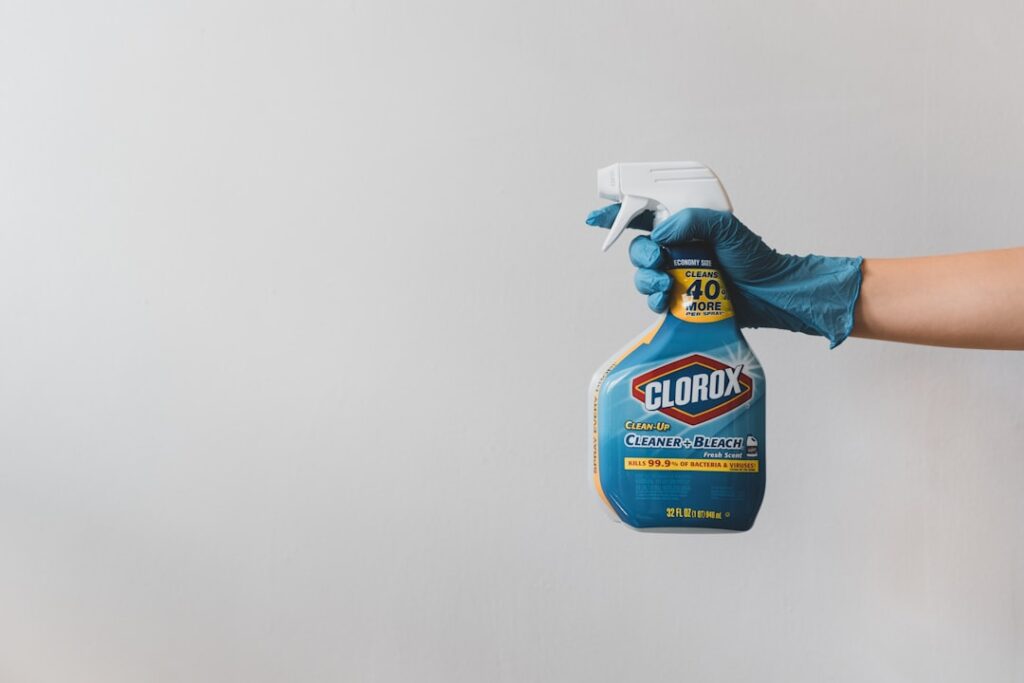
Spills happen, and when they land on carpet a quick response makes all the difference. Resolve rug spray, from the well-known carpet and rug cleaning brand, is a go-to spot and stain treatment that many homeowners keep on hand for exactly those moments. Used the right way, it lifts fresh stains and freshens fibers without a full deep clean.
This guide explains what Resolve rug spray does, how to use it correctly, safety basics, and how to get the best results from a spot treatment.
What Resolve Rug Spray Is
Resolve is a long-established brand of carpet and rug cleaning products. Its spot and stain sprays are formulated to be applied directly to carpet and rug stains to help break down and lift dirt, spills, and odors. The lineup includes targeted spot removers and broader cleaning sprays, so it helps to read the specific product label to know exactly what you have.
The appeal of a spray treatment is speed and convenience. Rather than hauling out a machine for every spill, you can spot-treat a single stain in minutes. It is designed for ongoing maintenance between deeper cleanings, not as a replacement for periodic thorough carpet care.
What It Works On
Spot sprays are most effective on common household stains, especially when treated promptly. Typical targets include:
- Food and drink spills like coffee, juice, and sauces.
- Dirt and mud tracked in from outside.
- Pet accidents and associated odors, where a pet-specific formula is best.
- General high-traffic grime and dinginess on carpets and rugs.
Fresh stains are far easier to remove than set-in ones, so speed matters. Old, dried, or repeatedly walked-in stains are harder to lift and may need several treatments or professional cleaning. Always check that the product is appropriate for your specific carpet or rug type.
How to Use It Correctly
Spot treatment is simple, but technique affects the result. Follow the directions on the label, and use this general approach:
- Act fast. Blot up as much of the spill as possible first with a clean, dry cloth, working from the outside of the stain inward.
- Test for colorfastness on a hidden area of the carpet first, since some dyes can react to cleaners.
- Spray the product directly onto the stain following the label, holding the bottle at the recommended distance.
- Let it sit for the time specified on the label so it can break down the stain. Do not let it dry out if the label says to keep it wet.
- Blot, do not rub, with a clean cloth. Rubbing pushes the stain deeper and frays the fibers.
- Repeat if needed for stubborn stains, and rinse or blot with water if the label directs.
Patience and blotting are the keys. Aggressive scrubbing almost always makes a stain worse.
Getting the Best Results
A few habits raise your success rate. Treat spills immediately, since a stain that has not set lifts far more easily. Always blot rather than rub, and work inward so you do not spread the stain. Use clean cloths and switch to a fresh section as the stain transfers, so you are lifting the mess away rather than redepositing it.
For odors, especially pet messes, make sure the area is treated thoroughly down to where the liquid soaked in, not just the surface. After spot cleaning, let the area dry fully before walking on it, and vacuum once dry to restore the pile.
Safety and Smart Use
Carpet sprays are everyday products, but they still warrant basic precautions:
- Never mix it with bleach or other cleaning chemicals, which can create hazardous fumes.
- Ventilate the room while you work, and avoid breathing the spray directly.
- Keep it away from children and pets, and let treated areas dry before letting them back on the carpet.
- Test colorfastness on an inconspicuous spot before treating a visible area.
- Store the bottle sealed in its original container and follow all label instructions.
If you have sensitive skin, wear gloves. As with any cleaner, the label is the final authority on safe and proper use.
Tackling Specific Stain Types
Different messes respond best to slightly different handling, even with the same spray. Knowing the quirks of common stains improves your odds of full removal.
- Coffee and tea: blot up the liquid fast, then treat, since the tannins set as they dry.
- Pet accidents: address both the stain and the odor, treating down to where the liquid soaked in, and use a pet-formulated product where available.
- Grease and food: lift solids first with a spoon, then spray and blot to break down the oils.
- Mud and dirt: let it dry completely, vacuum up the crumbly residue, then treat the remaining mark rather than smearing wet mud.
- Red wine and dyes: act immediately, as these are among the hardest to remove once set.
For every type, the universal rules still apply: act fast, blot instead of rub, work from the outside in, and test for colorfastness first. Stains that resist repeated treatment may simply be set, and that is the point to consider stronger measures.
When You Need More Than a Spray
A spot spray is a maintenance tool, not a cure-all. For wall-to-wall dinginess, deep-set stains, or a whole-room refresh, a carpet cleaning machine with the appropriate solution, or a professional cleaning service, does a better job. Heavily soiled rugs, valuable wool or oriental rugs, and stubborn pet odor problems are best handled by professionals who can clean deeply without damaging the fibers.
It also pays to know your carpet before you treat it. Most synthetic carpets handle spot sprays well, but delicate natural fibers like wool, and valuable rugs such as oriental and Persian pieces, can be sensitive to certain cleaners and should be tested carefully or left to a professional. When in doubt, treat a small hidden area and watch for any color change before working on a visible spot.
Used as intended, Resolve rug spray is a handy first line of defense. Keep a bottle within reach, act quickly when spills happen, blot rather than rub, test for colorfastness, and follow the label. With that approach you will handle most everyday stains on the spot and keep your carpets and rugs looking fresh between deeper cleanings.


