
Most people spray a carpet cleaner, wait a minute, then blot and walk away disappointed. The step they skip is agitation, and that is exactly what the resolve carpet cleaner brush is built to fix. Resolve is a carpet and fabric care brand made by Reckitt, and the brush is a simple hand tool designed to work its foams, sprays, and powders down into the carpet pile instead of leaving them sitting on the surface. Used correctly, it turns a mediocre spot treatment into a genuinely deep clean.
This guide walks through what the brush actually does, how to use it without damaging your fibers, and the realistic results you can expect on everything from a fresh coffee spill to a gray traffic lane by the front door.
- What the Resolve Carpet Cleaner Brush Actually Does
- Which Resolve Products Work With the Brush
- How to Use the Resolve Carpet Cleaner Brush Step by Step
- Getting the Most Out of a High-Traffic Lane
- Mistakes That Ruin Your Results
- Caring for the Brush and How Often to Use It
- What Results to Realistically Expect From the Resolve Carpet Cleaner Brush
What the Resolve Carpet Cleaner Brush Actually Does
Carpet cleaning is a chemistry problem and a mechanical problem at the same time. The cleaning solution loosens the bond between the stain and the fiber, but something has to physically move the solution through the pile and lift the loosened soil back out. That mechanical action is called agitation, and it is the single biggest reason professional extraction cleans better than a quick blot. The brush gives you agitation on demand.
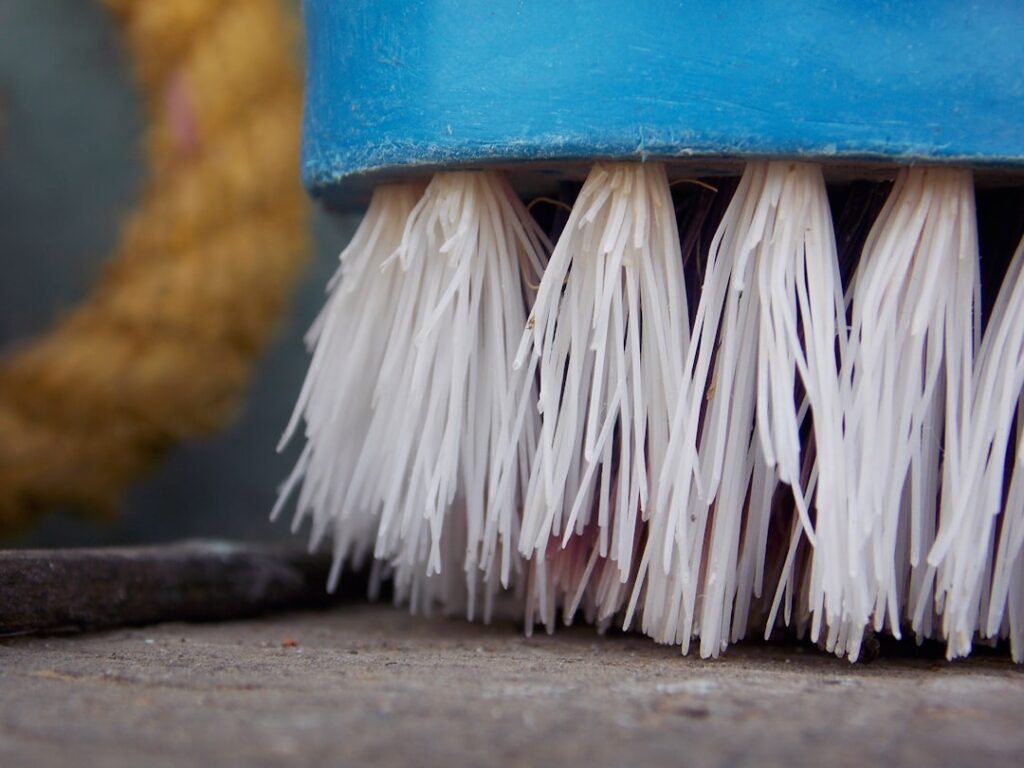
The Resolve brush has stiff-but-flexible bristles set into a molded handle sized for one hand. Some versions ship bundled with a bottle of cleaner, and the brand also sells the tool on its own. The bristles are firm enough to penetrate cut-pile and plush carpet, yet they are not wire or metal, so they will not shred nylon or polyester face yarn the way a wire brush would. Think of it as the difference between rubbing a stain with a paper towel and actually scrubbing it.
Which Resolve Products Work With the Brush
The brush pairs with the full Resolve carpet lineup, and matching the product to the mess matters more than most people realize.
- Resolve carpet spray and stain remover — the everyday liquid for fresh spills, pet accidents, and food stains. Spray, brush, blot.
- Resolve High Traffic foam — a foaming cleaner for whole rooms and worn walkways. The foam clings to the fibers so the brush can work it in evenly.
- Resolve Deep Clean powder — a slightly damp powder you sprinkle on, brush through, let dry, then vacuum. The brush is essential here because the powder has to reach the base of the pile to grab embedded soil.
For dried, set-in stains, the powder or foam plus firm brushing usually beats a quick spray. For a wine or juice spill you caught in the first few minutes, the liquid spray and a light brushing is plenty.
How to Use the Resolve Carpet Cleaner Brush Step by Step
The technique is not complicated, but the order of operations decides whether you clean the stain or spread it into a bigger halo.
- Vacuum first. Loose grit is abrasive. Pulling it out before you add moisture keeps you from grinding dirt deeper with the bristles.
- Blot up excess liquid. If the spill is still wet, press a dry white cloth down to absorb as much as possible before you add any cleaner.
- Apply the Resolve product. Hold the bottle 6 to 8 inches from the carpet and cover the stain plus about an inch of clean carpet around it. Do not soak it. A damp carpet dries fast; a saturated one can wick soil back up as it dries.
- Let it dwell. Give the cleaner the time listed on the label, usually a few minutes, so the chemistry can break the stain’s grip before you scrub.
- Brush in the direction of the pile. Use short, moderate strokes and work from the outside of the stain toward the center to keep it from spreading. Let the bristles do the work; you do not need to lean your body weight into it.
- Blot and lift. Press a clean, dry cloth into the area and repeat with fresh sections of cloth until little to no color transfers.
- Let it dry, then vacuum. Once the carpet is fully dry, vacuum again to lift the pile and remove any residue.
For powder products, you brush the damp powder through the fibers, wait the full drying window, then vacuum thoroughly to pull the spent powder and captured soil back out.
Getting the Most Out of a High-Traffic Lane
The gray path worn into a hallway or the strip in front of a couch is not really a stain; it is thousands of tiny soil particles ground into the fiber. That is a job for the foam or powder plus consistent brushing across the whole lane, not spot treatment. Work in sections of a few square feet at a time so the product does not dry before you agitate it. Brush in overlapping passes, first with the pile, then lightly against it, to reach every side of the yarn. High-traffic areas almost always need this two-direction pass because soil coats the fibers on all sides.
Mistakes That Ruin Your Results
Even a good tool underperforms when the technique is off. A few habits sabotage more cleanings than any product ever does.
- Scrubbing too hard. Aggressive back-and-forth pressure can untwist and fuzz cut-pile fibers, leaving a permanently rough patch that looks worse than the original stain.
- Skipping the patch test. On wool, sisal, or an antique rug, test the cleaner on a hidden corner first. Resolve products are formulated for common synthetic carpets, and delicate natural fibers can react differently.
- Over-wetting. Too much liquid soaks the backing and padding, extends drying to a day or more, and invites musty odors or wicking.
- Not rinsing residue. Any cleaner left in the pile is sticky and attracts dirt, which is why a spot can look clean today and re-soil quickly. Vacuuming after full drying handles most of this.
Caring for the Brush and How Often to Use It
A carpet brush is only as good as its bristles, and dried cleaner plus lifted soil will cake into the base of the tuft if you ignore it. Rinse the head under warm running water right after each use, working out any residue with your fingers until the water runs clear. Shake off the excess and stand the brush bristles-up to air dry so water does not pool in the handle. A brush that stays clean keeps its scrubbing power and will not smear old grime into the next spot you treat.
For frequency, think in two tracks. Spot treatment happens on demand, the moment a spill lands, and that immediate response is where you win most stain battles. Whole-room refreshing with the foam or powder is a seasonal job for most homes, roughly every three to six months in living rooms and entryways, and more often in a house with kids, pets, or heavy shoe traffic. Between those cleanings, a good vacuum twice a week does more to protect the fiber than any product, because it removes the abrasive grit before it can grind in.
What Results to Realistically Expect From the Resolve Carpet Cleaner Brush
Used the right way, the resolve carpet cleaner brush noticeably outperforms spray-and-blot on fresh spills, pet stains, and general dinginess in traffic lanes. The agitation is what closes the gap between “still faintly visible” and “gone.” Most fresh food, drink, and mud stains lift completely, and dull, matted walkways brighten and stand back up after the pile is worked and re-vacuumed.
It has limits, and honest expectations save you frustration. Old set-in stains, dye-based stains like some Kool-Aid or hair color, and anything that has already bleached or discolored the fiber may only lighten rather than disappear. Deep, whole-house grime and heavy pet odor eventually call for a hot-water extraction machine or a professional. For everyday maintenance, quick spill response, and keeping traffic areas from going gray, this simple brush plus the matching Resolve product is one of the cheapest ways to make carpet look years younger. Keep one under the sink, treat spills while they are fresh, and you will extend the life and look of your carpet well beyond what passive cleaning ever delivers.


