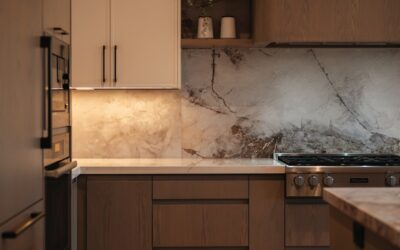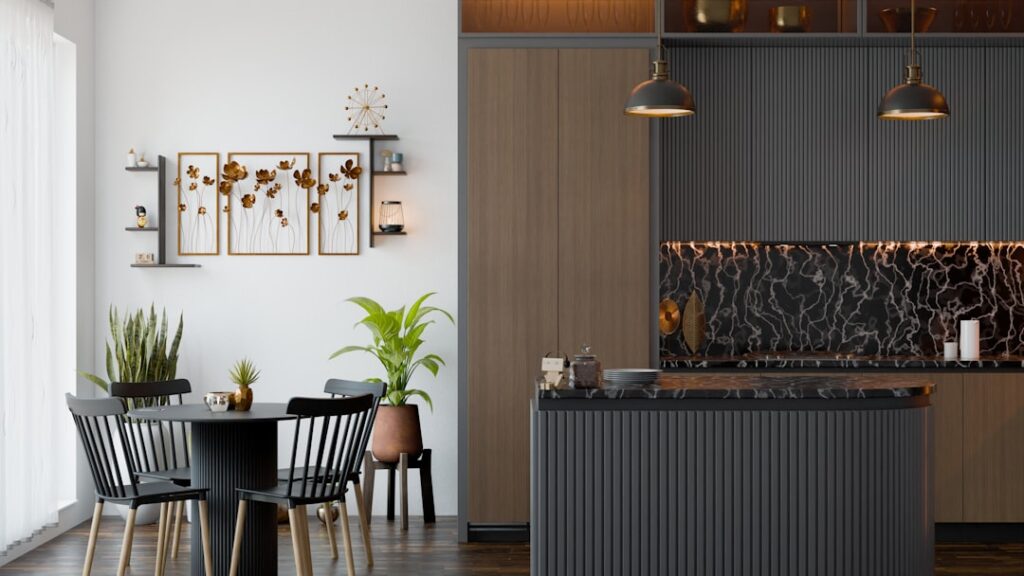
Nothing warms up a kitchen quite like natural stone climbing the wall behind the range. It brings texture, depth, and a sense of permanence that printed materials just can’t fake. A rock backsplash kitchen pairs raw or refined stone with your cabinets and counters to create a focal point that feels grounded and timeless. Whether you’re drawn to rugged stacked ledgestone or sleek honed slabs, this guide covers the stone options, real-world costs, installation, and how to keep it looking good.
Part of our Kitchen Remodeling guide — explore the full guide →
Why Choose a Stone Backsplash
Stone is one of the few backsplash materials that adds genuine architectural weight to a room. A tiled backsplash decorates a wall; a rock backsplash transforms it. The three-dimensional texture of stacked stone catches light and shadow throughout the day, and natural variation means no two installations look exactly alike.
There’s durability behind the beauty, too. Natural stone stands up to heat, moisture, and decades of cooking splatter far better than laminate or even some tile. Done right, it’s a surface you install once and never think about replacing.
Types of Rock for a Kitchen Backsplash
Stone backsplashes come in several forms, each with a distinct look and installation method. Pick based on the vibe you want and how much texture your kitchen can handle.
- Stacked stone (ledgestone) — thin strips of natural stone bonded into panels, creating a dimensional, dry-stack look. Great for rustic and modern-rustic kitchens.
- Natural stone slab — a single honed or polished slab of granite, marble, or quartzite that matches the counter for a seamless, luxe run.
- Travertine and tumbled stone tile — warm, earthy tiles with a soft, aged texture. Classic in Tuscan and Mediterranean designs.
- Slate — rich, layered color and a naturally cleft texture. Dramatic behind a stainless range.
- River rock and pebble — rounded stones set in a mosaic, best used as an accent rather than a full wall.
What a Rock Backsplash Costs
Stone sits at the higher end of backsplash budgets, but the range is wide depending on the material and whether you DIY. Stacked stone panels run $10 to $30 per square foot for materials, with installed costs of $25 to $50 per square foot. A full matching slab backsplash in granite or quartzite can hit $50 to $100 per square foot installed because it uses the same premium stone and fabrication as your counters. Travertine and tumbled tiles are more forgiving at $7 to $20 per square foot for materials.
For a typical 30-square-foot backsplash, budget anywhere from $800 for DIY travertine tile to $3,000 or more for a professionally installed slab. Get quotes that spell out material, labor, and any substrate or sealing work.
Installing Stacked Stone: The Basics
Stacked stone panels are the most DIY-friendly rock option, and a handy homeowner can tackle a small kitchen wall over a weekend. The panels are heavy, though, so the wall prep matters as much as the setting.
- Confirm the wall can bear the weight. Stone is heavy, so panels should attach to a cement board or a properly prepared, solid substrate, not just drywall.
- Install cement backer board over the studs and tape the seams if you’re upgrading the substrate.
- Dry-lay the panels along the counter first to plan the layout and cuts. An angle grinder with a diamond blade cuts stone cleanly.
- Spread a polymer-modified thinset mortar with a notched trowel, then press each panel firmly into place, staggering the ends so seams don’t line up.
- Use spacers or mechanical fasteners on taller sections where gravity could pull panels down before the mortar sets.
- Let it cure fully, then seal the stone with a penetrating stone sealer to protect against grease and stains.
Sealing and Cleaning Natural Stone
Stone is porous, so sealing is essential in a kitchen where oil and food splatter are constant. Apply a quality penetrating sealer after installation and reseal every one to two years. Behind the cooktop, where grease builds up fastest, you may reseal more often.
For daily cleaning, use a soft brush or cloth with warm water and a pH-neutral stone cleaner. Skip vinegar, citrus, and harsh degreasers, which etch and dull natural stone. The textured surface of stacked stone traps grease more than a smooth tile, so wipe splatters promptly and give the wall a gentle brush-down periodically to keep the crevices clean.
Design Ideas That Work
The key with stone is balance. Because the texture is so strong, keep the rest of the palette calmer. Stacked gray ledgestone looks striking against white shaker cabinets and a quartz counter, letting the stone be the star. Warm travertine pairs beautifully with wood cabinets and wrought-iron hardware for a Mediterranean feel.
Consider running the stone all the way to the ceiling behind the range hood to create a dramatic vertical feature, while keeping the rest of the backsplash simpler. Undercabinet lighting is your friend here; angling light across the textured surface makes the stone come alive at night. If a full stone wall feels like too much, use it as a bold accent behind the stove and a quieter material elsewhere.
Pros and Cons to Weigh
Stone offers unmatched texture, durability, and a high-end look, and it handles heat and moisture with ease. The trade-offs are real cost, heavier installation that often needs a pro and a proper substrate, ongoing sealing, and a textured surface that takes a bit more effort to keep clean than smooth tile. For homeowners who want warmth and character over a sleek, low-maintenance wall, though, the payoff is worth it.
Faux Stone Alternatives Worth Knowing
If you love the look of stone but the weight, cost, or maintenance gives you pause, several alternatives deliver much of the effect for less. Faux stone panels made of polyurethane or high-density foam mimic stacked ledgestone convincingly and weigh a fraction of the real thing, so they install over drywall with adhesive and screws without special substrate work. Expect $8 to $20 per square foot, and no sealing required.
Porcelain and ceramic tiles printed with realistic stone visuals are another strong option. Modern printing technology makes these nearly indistinguishable from natural stone at arm’s length, and porcelain is non-porous, so it never needs sealing and wipes clean easily behind a stove. Stone-look tile runs $5 to $15 per square foot and installs like any other tile.
There’s also thin stone veneer, which uses real stone sliced ultra-thin to reduce weight while keeping authentic texture and color. It bridges the gap between genuine full-depth stone and lightweight fakes. Each of these alternatives trades a bit of authenticity for easier installation and lower maintenance, so weigh how much the real material matters to you against the practical savings. For a rental or a quick refresh, faux panels make a lot of sense; for a forever home, many owners still prefer the genuine article.
Is a Rock Backsplash Right for You?
A rock backsplash kitchen rewards homeowners who love natural materials and plan to stay in their home long enough to enjoy them. Budget for the material and the sealing, make sure your wall and installer are up to the weight, and choose a stone that complements rather than fights your counters. Get those pieces right, and you’ll have a backsplash with real character that outlasts every passing trend.