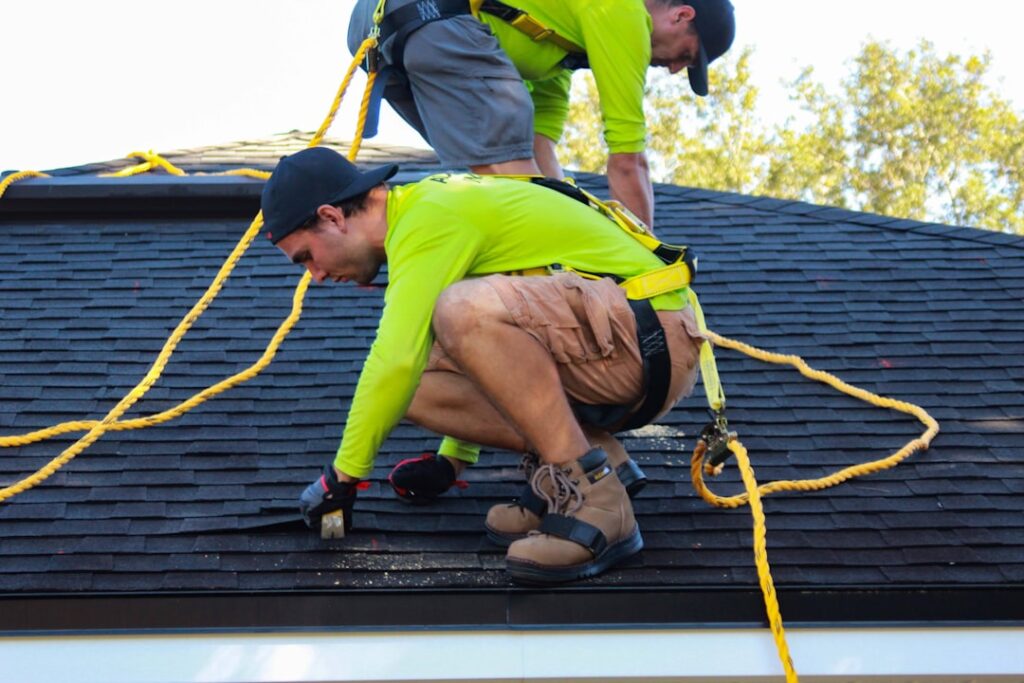
Your roof faces a completely different threat every three months, and a single spring inspection won’t protect it from what August heat or January ice will do. The best roofing maintenance tips for all seasons follow the calendar, because summer’s UV and thermal cycling stress a roof in ways winter’s ice dams and freeze-thaw never do, and each season sets up problems the next one exploits. After years of storm-chasing repairs, I can tell you the roofs that last are the ones whose owners do the right small task at the right time of year. Here’s a season-by-season plan you can actually keep.
Part of our Roofing guide — explore the full guide →
- Why a Seasonal Approach Beats One Annual Check
- Spring: Assess Winter Damage
- Summer: Fight Heat and UV
- Fall: Prepare for Winter
- Winter: Monitor and Manage Snow and Ice
- Year-Round Habits That Protect Any Roof
- When to Call a Professional
- Adjusting Your Routine to Your Climate
- Building a Simple Seasonal Toolkit
Why a Seasonal Approach Beats One Annual Check
Each season attacks your roof differently. Winter brings ice dams, freeze-thaw cycles, and snow load. Spring brings heavy rain that exposes every weakness winter created. Summer brings intense UV, heat that can top 150 degrees Fahrenheit on a dark roof, and thermal expansion that works fasteners loose. Fall brings falling leaves, first frosts, and the last chance to prepare before winter.
Handle each threat in its own season and you never let one season’s damage compound into the next. A leaf clogging a gutter in October becomes an ice dam in January becomes a rotted eave by April. Break that chain and the roof lasts.
Spring: Assess Winter Damage
Spring is for finding what winter broke. Freeze-thaw cycles, ice dams, and heavy snow load all take their toll, and the first warm, dry weekend is your chance to catch it before spring rains find every gap.
- Inspect for shingles cracked, curled, or lifted by ice and wind
- Check flashings and valleys for damage from ice-dam movement
- Clean out gutters clogged with the last of the fall debris and winter grit
- Look in the attic for water stains or damp insulation from winter leaks
- Reseal any flashing or vent boots that cracked in the cold
Spring rains are the real test. Anything you miss now will announce itself as a ceiling stain by May, so be thorough while the weather is mild.
Summer: Fight Heat and UV
Summer’s enemy is heat, not water. A dark roof can hit 150 degrees Fahrenheit or more, and that heat, combined with UV, ages shingles, dries out sealants, and drives the thermal expansion and contraction that loosens fasteners and cracks caulk.
Use the dry, stable weather to your advantage. This is the ideal season for repairs and resealing, since sealants cure best in warm, dry conditions above 40 degrees Fahrenheit. Check attic ventilation now, because poor ventilation traps summer heat, bakes the shingles from below, and spikes your cooling bill; make sure soffit and ridge vents are clear and working. Inspect exposed sealant beads and reseal any that have dried or cracked in the sun. Summer is also prime time to treat moss or algae before fall dampness lets it spread.
Fall: Prepare for Winter
Fall is the most important maintenance season of the year, because whatever you fix now has to survive months of ice and snow. This is your last clear window before winter locks the roof down.
- Clean gutters and downspouts thoroughly after the leaves drop, and again if trees are heavy
- Trim back branches that could break under snow and ice and fall on the roof
- Inspect and reseal all flashings, since you won’t want to be up there in January
- Check attic insulation and ventilation, which are your best defense against ice dams
- Replace any worn shingles or cracked vent boots before the cold hits
Clogged gutters are the number one cause of winter ice dams, so this cleaning matters more than any other. Do it after the last leaves fall, not before.
Winter: Monitor and Manage Snow and Ice
In winter you mostly watch and manage rather than climb, because a snowy or icy roof is dangerous to walk. The threats are snow load, ice dams, and freeze-thaw prying at every gap.
Watch for ice dams, the ridges of ice that form at the eaves when heat escaping the attic melts snow that refreezes at the cold edge, backing water up under the shingles. The real fix is attic insulation and ventilation, but in the moment a roof rake can pull snow off the lower few feet of the roof from the ground to stop dams from forming. Never climb an icy roof or chip at ice with a sharp tool, which damages shingles. Keep an eye on the attic during thaws for new leaks, and watch heavy snow load on low-slope roofs, clearing it if it approaches the structure’s rated limit.
Year-Round Habits That Protect Any Roof
Some tasks don’t belong to a single season. Keep gutters functional in every season, since clogs cause damage year-round. Check the attic after every major storm regardless of the month. Keep a few spare shingles and a tube of roofing sealant on hand so you can act the day you spot a problem instead of waiting for a store run.
Ventilation deserves year-round attention too, because a well-vented attic keeps the roof cooler in summer and drier in winter, fighting both heat aging and ice dams at once. If your attic is stuffy in July or shows frost on the underside of the decking in January, your ventilation needs work.
When to Call a Professional
Do what you can safely from the ground and the attic, but know your limits. Steep roofs, icy roofs, and any sign of structural sagging call for a pro. Schedule a professional inspection every couple of years, ideally in fall, and always after major hail or wind, when insurance-worthy damage may be present even if you can’t see it from below.
Following these roofing maintenance tips for all seasons turns roof care from a panic-driven emergency into a predictable routine. Match the task to the season, keep the year-round habits, and lean on a professional for the risky and technical work, and your roof will shrug off decades of weather that would otherwise cut its life short one season at a time.
Adjusting Your Routine to Your Climate
The seasonal calendar isn’t one-size-fits-all, and smart homeowners weight it toward their region’s real threats. If you live in the hot, sunny South, your enemy is UV and heat, so summer ventilation checks, reflective roofing choices, and algae treatment deserve extra attention, while ice-dam prep barely registers. In the snowy North, the opposite is true: fall preparation and winter ice-dam management are the make-or-break tasks, and attic insulation is your single best defense.
Coastal homeowners add a salt-rinse habit to keep corrosion off metal roofs and fasteners, and those in hail-prone plains states should inspect closely after every storm and consider impact-rated materials. Wildfire-zone residents focus on keeping the roof and gutters free of dry debris year-round, since accumulated leaves are literal kindling. Take the general seasonal framework and tilt it toward whatever your local weather throws hardest, and you’ll spend your maintenance effort where it actually protects the roof.
Building a Simple Seasonal Toolkit
Staying on top of seasonal maintenance is far easier when you have the right gear ready before you need it. Keep a basic kit assembled so a small problem never waits for a hardware-store trip. Stock a sturdy extension ladder, binoculars for ground-level inspection, a flashlight for attic checks, work gloves, and a gutter scoop.
Add a few spare shingles left over from the original install, a tube of quality roofing sealant and a caulk gun, and a replacement vent-pipe boot or two, since those are the most common small fixes. For winter, a roof rake lets you pull snow off the lower edge from the ground to prevent ice dams without ever climbing. Round it out with fall protection if you’ll go on the roof at all, and never work alone at height. With this kit on a shelf in the garage, each seasonal task becomes a quick, planned job instead of a scramble, and you’re far more likely to actually do the maintenance that keeps your roof alive.