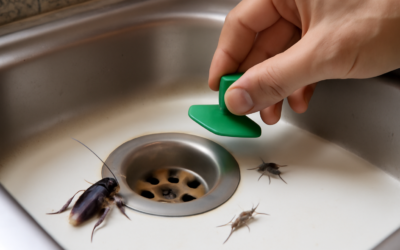
If you have noticed tiny holes in a favorite area rug, fine shed skins along the baseboard, or specks crawling through the pile, you may be dealing with rug bugs. The term covers several unrelated pests that share one habit: they live in, feed on, or hide within rugs and carpet. Knowing which insect you actually have is the first step, because the treatment for carpet beetles is very different from the approach you would take with fleas.
This guide walks you through identifying the most common rug-dwelling pests, understanding what attracts them, and applying practical, EPA-aligned control methods. For severe or recurring infestations, a licensed pest control professional is your best resource, and any concern involving a pet should go to a veterinarian.
The Most Common Rug Bugs
Four pests account for the large majority of rug and carpet complaints in U.S. homes. Each leaves slightly different evidence behind.
- Carpet beetles: The adults are tiny, round, and about 1/16 to 1/8 inch long, often mottled black, white, and orange. The real damage comes from the larvae, which are fuzzy, brownish, and carrot-shaped. They feed on natural fibers like wool, silk, and feathers.
- Dust mites: Microscopic and impossible to see without magnification, dust mites do not bite or chew fibers. They feed on shed skin cells and thrive in humid, dusty rugs and upholstery.
- Fleas: Small, dark, fast-jumping insects roughly 1/8 inch long. They are flattened side to side and are usually introduced by pets or wildlife, then breed in carpet fibers.
- Clothes and carpet moths: Small buff-colored moths whose larvae spin silken tubes and graze on wool and other animal fibers, leaving threadbare patches.
How to Identify What You Have
Start with a slow, methodical inspection in good light. Pull the rug back at the edges and check the underside, which is where larvae and eggs often hide, undisturbed by foot traffic. Look along baseboards, under furniture, and in closets where rugs meet still air.
Shed larval skins and small holes in wool or silk point to carpet beetles or moths. Visible jumping insects and small dark “pepper” specks (flea dirt) suggest fleas, especially in a home with cats or dogs. Persistent dust and a musty rug in a damp room can mean dust mites even when you see nothing at all. If you cannot tell the difference, capture a specimen in a clear container and have a pest professional confirm it before you spend money on treatment.
What Attracts Rug Bugs Indoors
Rugs offer pests three things they want: food, shelter, and humidity. Natural fibers such as wool, silk, jute, and feather are protein-rich and feed beetle and moth larvae directly. Pet dander, crumbs, hair, and shed skin cells accumulate deep in synthetic pile and become a buffet for beetles and mites alike.
Moisture is the multiplier. A rug in a humid basement, near a leaky window, or over a damp slab holds the conditions mites and many larvae prefer. Cluttered, rarely cleaned areas under beds and behind sofas give every one of these pests the undisturbed darkness they need to breed.
Step-by-Step Control Methods
For most beetle, moth, and flea problems, a thorough non-chemical approach handles a surprising amount of the work before any insecticide is needed.
- Vacuum aggressively and often. Use a vacuum with strong suction and go slowly over the rug top, the underside, edges, and the surrounding floor. Vacuuming physically removes eggs, larvae, and adults. Empty the canister or seal the bag outdoors immediately afterward.
- Wash what you can. Launder small washable rugs, pet bedding, and throws in the hottest water the fabric allows, then dry on high heat. Heat kills eggs and larvae that vacuuming misses.
- Treat with heat or cold for delicate items. Wool rugs that cannot be washed can sometimes be professionally cleaned; small items can be sealed in a bag and frozen for several days to kill larvae.
- Reduce humidity. Run a dehumidifier in damp rooms and aim for indoor humidity below about 50 percent to discourage dust mites.
- Use insecticides only as directed. If an infestation persists, choose an EPA-registered product labeled for the specific pest and the surface, read the entire label, and follow it exactly. Never mix products.
Treating Fleas Specifically
Fleas require a two-front approach because the bugs you see in the rug are only part of the population; eggs and pupae are tucked deeper in the pile. Vacuum daily during an active infestation, focusing on pet resting spots, and discard the contents each time. Wash all pet bedding on hot, and treat the home with an EPA-registered flea product labeled for indoor use if vacuuming alone does not break the cycle.
The pet itself must be treated at the same time, or fleas will simply repopulate the rug. Because flea products for animals carry real safety considerations, consult your veterinarian about the right product for your pet rather than guessing. Coordinating the home treatment and the pet treatment on the same timeline is what finally ends the problem.
Preventing Rug Bugs Long Term
Prevention is mostly about removing food and moisture. Vacuum high-traffic and hidden areas on a regular schedule, rotate rugs so no single spot stays undisturbed, and periodically lift rugs to clean underneath. Store seasonal wool rugs clean, fully dry, and sealed in airtight containers rather than loose in a closet.
Keep indoor humidity in check, fix leaks promptly, and seal gaps around windows and doors where adult beetles and moths can enter. Inspect secondhand or thrifted rugs carefully before bringing them inside, and quarantine or clean them first.
When to Call a Professional
Handle small, clearly identified problems yourself, but bring in a licensed pest control professional when the infestation keeps returning, spans multiple rooms, or you cannot confirm what pest you are fighting. Professionals can correctly identify the species, locate breeding sites you might miss, and apply treatments safely and legally.
For anything involving a pet’s health, comfort, or a suspected flea problem on the animal, a veterinarian should guide treatment. Used together, careful identification, consistent cleaning, moisture control, and the right professional support will clear out rug bugs and keep them from coming back. Patience matters here: most rug pests have life cycles measured in weeks, so a single cleaning rarely finishes the job, while a steady routine almost always does.