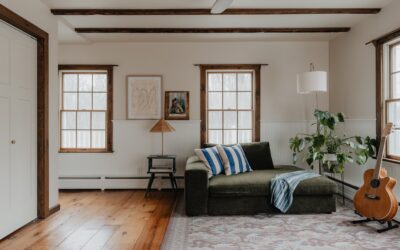
The single most common decorating mistake is buying a rug that is too small — it makes furniture look stranded and a room feel disjointed. Getting rug dimensions right pulls a space together, defines zones, and instantly makes a room feel finished and intentional. The trick is knowing both the standard sizes available and the simple placement rules that tell you which one belongs in each room. This guide lays out the common rug sizes, the room-by-room rules the pros follow, and how to measure your space so you order with confidence instead of guessing.
Standard Rug Sizes
Rugs come in a set of widely produced sizes, and knowing them makes shopping far easier. These are the dimensions you will see most often:
- 2×3 and 3×5 feet — accent rugs for entryways, in front of sinks, and beside beds
- 4×6 feet — small area rug for reading nooks, small seating areas, and apartments
- 5×8 feet — a popular mid-size for small living rooms and under queen beds
- 6×9 feet — fits medium living rooms and many dining rooms
- 8×10 feet — the workhorse size for average living and dining rooms
- 9×12 feet — large living rooms and open-plan spaces
- Runners (2.5×8 and longer) — hallways, kitchens, and alongside beds
Round rugs (typically 4, 6, and 8 feet in diameter) and oval shapes are also common and work well under round tables or to soften a square room. Knowing this menu of sizes turns vague shopping into a targeted choice.
The Golden Rule: Bigger Is Usually Better
When you are torn between two sizes, size up. A rug that is too small makes furniture float and shrinks the perceived size of the room, while a generously sized rug grounds the furniture and makes the space feel larger and more cohesive. As a baseline, leave roughly 8 to 24 inches of bare floor between the rug edge and the walls so the flooring frames the rug.
This single rule prevents the most frequent rug regret. People consistently underestimate how large a rug needs to be to anchor a seating arrangement, and they end up with a piece that looks like a postage stamp in the middle of the room.
Living Room Rug Dimensions
The living room is where rug size matters most because it has to relate to several pieces of furniture. There are three accepted approaches, and any of them works as long as you are consistent.
All Furniture On the Rug
The most luxurious look places all the legs of your seating on the rug, with the rug extending a bit beyond the furniture grouping. This usually calls for an 8×10 or 9×12 in an average room and larger in open-plan spaces.
Front Legs On the Rug
The most common and budget-friendly approach puts the front legs of the sofa and chairs on the rug while the back legs sit on the floor. This visually connects the seating and works well with an 8×10 in many rooms.
Floating the Rug
In a small room, a rug can sit entirely under the coffee table with no furniture legs on it. Keep this for compact spaces; in a larger room it reads as undersized. A 5×8 or 6×9 usually suits this layout.
Bedroom Rug Dimensions
In the bedroom, the rug should frame the bed and give your feet something soft to land on when you get up. The most polished look slides the rug under the lower two-thirds of the bed, extending well past the sides and foot.
- King bed — a 9×12 rug, positioned to extend past the sides and foot
- Queen bed — an 8×10 rug for full coverage around the bed
- Full or twin bed — a 5×8 or 6×9, depending on the room size
For a budget alternative, skip the large rug and place runners on each side of the bed, or a single runner along the foot. You lose the unified look but still get softness underfoot where it matters.
Dining Room Rug Dimensions
The dining room has the clearest rule of all: the rug must be large enough that the chairs stay on it even when pulled out. Nothing feels worse than a chair leg catching the rug edge every time someone sits down.
Measure your table, then add at least 24 inches on every side to keep chairs on the rug when occupied. A common pairing is an 8×10 rug under a table that seats six, and a 9×12 for a longer table that seats eight. Match the rug shape to the table — rectangular rug under a rectangular table, round rug under a round table — for the most balanced look.
How to Measure Your Space
Numbers on a website mean little until you see them in your room. Before buying, map the rug out physically.
- Measure the floor area you want the rug to cover, accounting for furniture placement.
- Use painter’s tape on the floor to outline the rug dimensions you are considering.
- Live with the taped outline for a day, walking around it and checking how it relates to your furniture.
- Confirm there is room for doors to swing and chairs to pull out without catching the edge.
This five-minute taping exercise catches sizing mistakes before they cost you a return shipment. Seeing the actual footprint in your room is far more reliable than imagining it from a measurement.
Hallways, Kitchens, and Special Spaces
Runners handle the long, narrow spaces a rectangular rug cannot. For a hallway, choose a runner that leaves a few inches of floor on each side and at each end rather than running wall to wall. In a kitchen, a runner in front of the sink and a mat at the stove cover the spots where you stand most.
For entryways, a small 2×3 or 3×5 catches dirt and anchors the doorway. Under a round dining or accent table, a round rug echoes the shape and softens the room. Match the rug shape to the function and the furniture, and even these tricky spots fall into place.
Getting Rug Dimensions Right
The whole system comes down to a few habits: know the standard sizes, size up when in doubt, keep furniture legs in a consistent relationship to the rug, and tape out the footprint before you buy. Leave a frame of bare floor around the edges, make sure dining chairs and bedroom traffic stay on the rug, and the right dimensions will make every room feel larger, warmer, and more put-together. Measure twice, order once, and a well-sized rug becomes the foundation the whole room is built on.