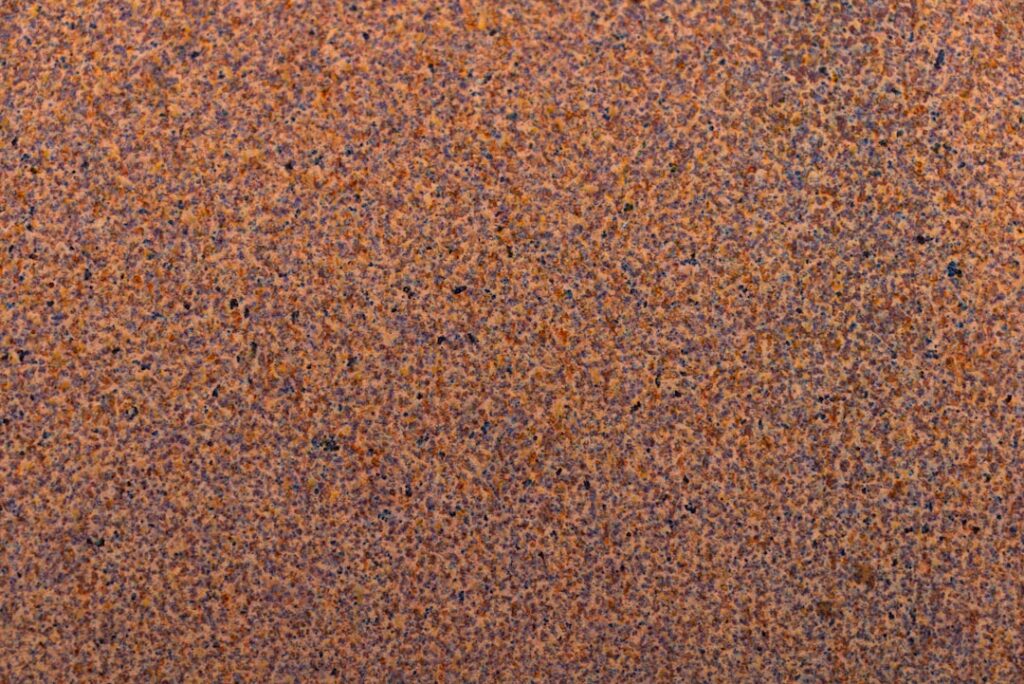
Rust is having a moment, and for good reason. It is the rare color that feels both bold and grounding, warm without shouting, and it works across styles from mid-century modern to boho to traditional. A rust color rug anchors a room with an earthy, sunset-toned depth that beige and gray simply cannot deliver, and it hides a surprising amount of everyday dirt in the process. If you have been staring at a bland floor and want to add character without repainting or replacing furniture, a rust rug is one of the fastest, lowest-commitment upgrades you can make.
What “Rust” Actually Means as a Color
Rust is a muted red-orange, named for the color of oxidized iron. It sits between terracotta and burnt orange on the warm side of the spectrum, with enough brown in it to keep it from reading as neon or Halloween orange. That brown undertone is exactly why rust is so versatile: it behaves like a warm neutral. Some rust rugs lean redder and more dramatic, while others pull toward clay, terracotta, or pumpkin. When you shop, look at the rug in your own room’s light, because rust shifts noticeably between cool north-facing daylight and warm evening lamplight.
What Colors Go With a Rust Rug
The reason a rust color rug is so easy to decorate around is that it pairs beautifully with both neutrals and saturated accents. Here are the combinations designers reach for most:
- Rust and cream or beige: the safe, elegant default. Warm neutrals let the rug be the star and feel cozy and organic.
- Rust and deep teal or navy: a rich, sophisticated contrast. The cool blues make the warm rust pop.
- Rust and forest green: an earthy, nature-inspired pairing that feels grounded and current.
- Rust and charcoal or black: modern and moody, great for industrial or mid-century rooms.
- Rust and mustard or olive: a tonal, seventies-inspired scheme for boho and eclectic spaces.
If your walls are white or greige and your furniture is neutral, a rust rug does the entire job of adding warmth on its own. If your room already has color, echo the rust in a throw pillow or piece of art so the rug feels intentional rather than isolated.
Where to Use a Rust Color Rug
Living rooms are the most natural home for rust, where it warms up a seating area and plays well with leather, wood, and jute. In bedrooms, a rust rug under the bed adds a cocooning warmth that helps a room feel restful. Dining rooms benefit from rust’s forgiving nature; the color camouflages the inevitable crumbs and spills far better than a light rug. Entryways and hallways are excellent candidates too, since rust hides tracked-in dirt while making a strong first impression. Because it reads as a warm neutral, you can move a rust rug from room to room as your decor evolves.
Materials and What They Cost
The material determines how a rust rug feels underfoot, how long it lasts, and how easy it is to clean:
- Wool: the gold standard. Naturally stain-resistant, durable, and it holds rich rust dye beautifully. Expect $200 to $800 for a 5×8, more for hand-knotted.
- Polypropylene (olefin): the budget workhorse. Fade-resistant, washable, and great for high-traffic or outdoor use. A 5×8 runs $60 to $200.
- Jute and natural fiber: often blended with rust-dyed wool for a textured, organic boho look, though pure jute takes dye less vividly.
- Viscose and art silk: gives rust a luminous sheen but is delicate and hard to clean; keep it out of high-traffic zones.
- Washable printed rugs: a growing category with rust patterns on a low-pile face you can toss in the machine; ideal for kids and pets.
Choosing the Right Shade and Pattern
A solid or subtly variegated rust rug makes the boldest statement and works when the rest of the room is calm. If rust feels like a lot, a patterned rug that weaves rust through a Persian, tribal, or abstract design distributes the color and blends more easily with existing decor. Vintage and distressed Persian styles in faded rust tones are especially popular right now because they look collected and lived-in rather than brand new. For a modern room, a flatweave or low-pile rust rug with a geometric pattern keeps the look crisp.
Keeping a Rust Rug Clean
One of rust’s quiet advantages is that its medium-dark, warm tone hides dust, pet hair, and light soil that would show glaringly on cream or gray. That said, regular care keeps it looking its best. Vacuum weekly to lift grit before it grinds into the fibers. Blot spills immediately with a clean white cloth, working from the outside in, and avoid rubbing, which spreads the stain. For wool, use a wool-safe cleaner and never soak the rug. Rotate the rug 180 degrees every few months so foot traffic and sun exposure wear it evenly, since warm dyes can fade in strong direct sunlight over time. Polypropylene and washable rugs can be hosed off or machine-washed per the label.
Styling Tips That Make Rust Look Expensive
To make a rust color rug feel designed rather than accidental, ground it with natural textures. Wood furniture, leather, brass or gold metal accents, and green plants all flatter rust’s earthy warmth. Layer a smaller patterned rust rug over a large neutral jute rug for a boho, collected look that adds dimension. Keep at least a few inches of floor visible around the rug so it frames the space instead of wall-to-wall carpeting it. And repeat the rust once or twice more around the room, in a pillow, a vase, or a piece of art, so the eye reads it as a deliberate palette.
Is a Rust Rug Right for Your Room?
If your space feels cold, flat, or too neutral, a rust color rug is one of the most effective and forgiving ways to fix it. It brings warmth and personality, pairs with almost any accent color, hides dirt like a champion, and suits nearly every design style. Choose wool or a washable synthetic for durability, pick a shade that flatters your room’s light, and echo the color elsewhere in the space. The result is a floor that feels warm, intentional, and effortlessly on-trend.