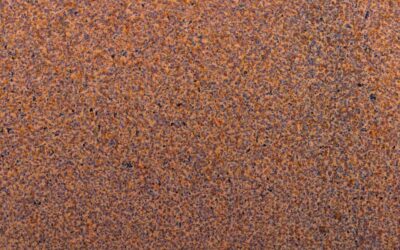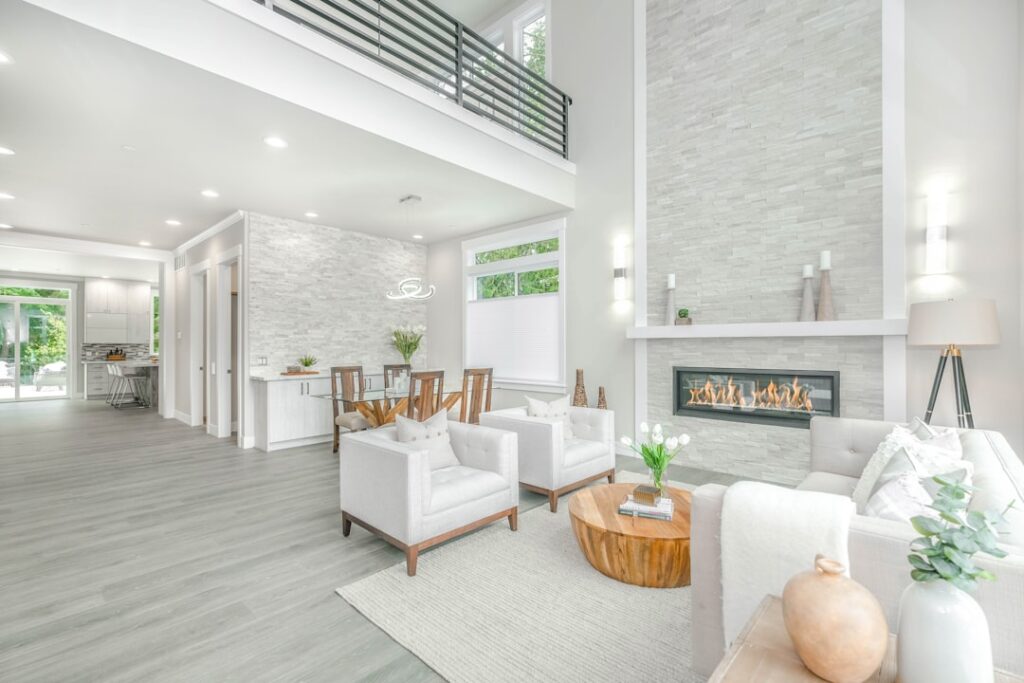
Rust has quietly become one of the most reliable colors in home decorating, and for good reason. It carries the warmth of red without the loudness, and the grounding of brown without the dullness. A rust rug anchors a room with a deep, earthy tone that flatters everything from white walls to dark wood floors, which is exactly why designers reach for it when a space feels flat or cold. Whether you lean modern, boho, or traditional, this terracotta-adjacent shade is one of the easiest ways to add character underfoot.
What Color Is Rust, Exactly
Rust sits in the family of warm, reddish-orange browns, named for the color of oxidized iron. Depending on the dye and fiber, it can lean more orange (closer to terracotta and burnt sienna) or more brown (closer to cinnamon and clay). That range is part of its appeal, since you can find a rust that reads as a bold statement or one that functions almost as a warm neutral.
Because it is a muted, desaturated tone, rust plays well with natural light and never feels harsh. In a north-facing room that tends toward cool and gray, a rust rug instantly warms the whole space up.
What Colors Go With a Rust Rug
This is the question that decides whether the rug elevates the room or fights it. Rust is remarkably versatile, but it has clear best friends.
- Cream, beige, and off-white: The classic pairing. Soft neutrals let the rust glow without competing.
- Deep teal and navy: The cool blues sit opposite rust on the color wheel, creating a rich, balanced contrast.
- Olive and sage green: Earthy greens echo the natural, grounded feel for a cohesive boho or desert look.
- Charcoal and black: Adds drama and a modern edge, especially against a lighter floor.
- Mustard and ochre: Tonal warm pairings for a layered, autumnal palette.
If you want a foolproof scheme, build the room around neutrals and let the rust rug be the warm anchor, then add one accent color like teal or olive in pillows and art.
Best Rooms for a Rust Rug
Rust thrives in spaces meant to feel cozy and inviting. Living rooms are the most common home for one, where it pulls a seating arrangement together and warms up a hard floor. Bedrooms benefit too, since the color reads as relaxing and enveloping rather than stimulating.
It also works beautifully in dining rooms and home offices, and a rust runner can transform a long, plain hallway. The one place to think twice is a very small, dark room, where a heavily saturated rust can close the space in; there, opt for a lighter, more terracotta version with cream patterning to keep things open.
Choosing the Right Material
The fiber affects how the color looks, how the rug feels, and how long it lasts. Match the material to the room’s traffic and your budget.
- Wool: The premium choice. It holds rich color beautifully, resists crushing, and lasts decades, though it costs more.
- Jute and natural fiber: Often comes in lighter rust tones with great texture, ideal for boho and coastal looks, but rough underfoot and not for wet areas.
- Polypropylene (olefin): Budget-friendly, stain-resistant, and great for high-traffic rooms or homes with kids and pets.
- Viscose or art silk: Adds a luxe sheen that makes rust look especially deep, but it is delicate and best for low-traffic spaces.
For a living room that sees daily use, a wool or a quality polypropylene rust rug gives the best mix of looks and durability.
Getting the Size Right
Size mistakes undo even the prettiest rug. The general rule is bigger than you think. In a living room, aim for a rug large enough that at least the front legs of every seating piece rest on it, which ties the arrangement together. A common living-room size is 8 by 10 feet; in a larger room, step up to 9 by 12.
Under a dining table, the rug should extend at least 24 inches beyond the table edge on all sides so chairs stay on it when pulled out. In a bedroom, a rug under the lower two-thirds of the bed, or a large one that frames it entirely, gives that warm landing for your feet in the morning. A rust runner for a hallway should leave a few inches of floor on each side rather than spanning wall to wall.
Styling a Rust Rug by Decor Style
Rust adapts to almost any aesthetic with a few tweaks. In a boho room, pair a patterned rust rug with layered textiles, plants, and rattan furniture for that warm, collected look. For a modern or minimalist space, choose a solid or subtly textured rust rug and let it provide the room’s only real color against clean lines and neutral furniture.
Traditional and transitional rooms suit an ornate rust Persian or oriental-style rug, which leans into the color’s heritage roots. Mid-century modern spaces love rust because it was a signature color of the era; pair it with walnut wood tones and tapered legs for an authentic feel.
Caring for Your Rust Rug
Keeping the color vibrant is straightforward. Vacuum regularly to keep grit from grinding into the fibers, and rotate the rug every few months so it wears and fades evenly, especially in sunny rooms. Rust is forgiving of minor stains because its warm depth hides spills better than a pale rug would, but blot any spill immediately rather than rubbing it in.
Use a rug pad underneath for both comfort and grip, and keep wool rugs out of constant direct sunlight to prevent fading over the years. Treated well, a quality rust rug holds its rich, grounding color for a long time and remains one of the most timeless choices you can put on a floor.
Layering and Seasonal Versatility
Part of what makes rust such a practical choice is how easily it carries a room through the seasons. In fall and winter it leans into cozy, pairing naturally with chunky throws, warm woods, and amber lighting. Come spring and summer, the same rug reads fresh and earthy alongside greenery, linen, and lighter textiles, so you are not swapping rugs twice a year to keep the space feeling right.
If you want to experiment, try layering a smaller patterned rust rug, a kilim or a vintage Persian piece, over a large neutral jute or sisal base. The natural fiber underneath grounds the look and frames the rust, adding texture and dimension that a single rug cannot. This trick also lets you bring a bold rust into a room gradually rather than committing to a wall-to-wall statement, which is a low-risk way to test how the color feels in your space before you size up.