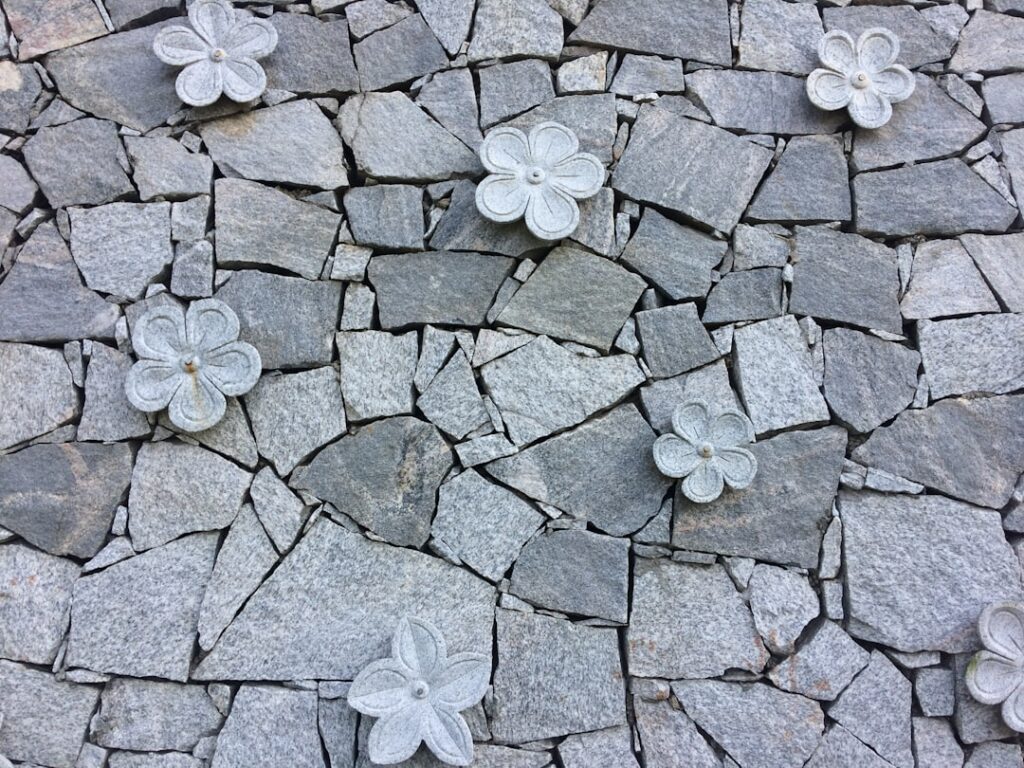
Neutral does not have to mean boring, and the surge in earthy, organic decor has made the stone rug one of the most useful pieces in a modern home. The term covers two different things: rugs in stone-inspired gray and taupe color palettes, and textured pebble or river-stone designs that mimic the look of a smooth creek bed. Both bring quiet, natural calm to a space and pair with almost any furniture. If your rooms lean beige-and-gray and you want a floor covering that grounds them without shouting, a stone rug is an easy win.
What Exactly Is a Stone Rug?
There are two main interpretations, and it helps to know which one you are shopping for. The first is a rug in stone colors: soft grays, warm taupes, greige, and charcoal, often in subtle abstract or marbled patterns that echo natural stone and concrete. The second is a pebble or river-stone textured rug, typically a bath or accent mat with raised rounded shapes that look and feel like smooth stones underfoot. Both draw on the same design idea, bringing the serenity of natural materials indoors, but they serve different rooms and purposes.
Why Stone Tones Work Everywhere
Gray and taupe are the ultimate connectors. A stone-toned rug bridges cool and warm palettes, so it sits comfortably next to white oak floors, walnut furniture, black metal accents, or crisp white walls. Because the color is understated, the rug lets your furniture and art take center stage while still adding warmth and softness. Designers reach for stone neutrals when they want a room to feel current and layered but not busy. It is the safe choice that rarely feels like a compromise.
Popular Stone Rug Styles
The category has more range than you might expect:
- Abstract stone and marble prints — soft, watercolor-like veining in gray and cream for living rooms and bedrooms.
- Concrete and cement looks — flat, mottled gray tones that suit modern and industrial spaces.
- Pebble and river-stone texture — 3D rounded shapes, popular as bath mats and spa-style accents.
- Distressed and washed patterns — faded, vintage-inspired designs in muted stone hues.
For a main living area, the abstract and concrete-look styles are the most versatile. Save the raised pebble texture for a bathroom or a small accent where its cushioning feel is a bonus rather than a tripping concern.
Materials and What to Expect
Material drives comfort, durability, and price. Polypropylene is the most common for stone-look area rugs: affordable, stain-resistant, and easy to clean, though it feels less plush than natural fibers. Wool offers a softer, more luxurious hand and richer color depth, but costs considerably more. For pebble-texture bath mats, memory foam and quick-dry microfiber are common, giving a soft, cushioned step. Cotton flatweaves in stone tones are machine-washable and great for kitchens and entries. Match the fiber to the room: durable synthetic for high traffic, plush wool for a bedroom, washable cotton or foam for wet areas.
Sizing and Placement
Size makes or breaks the look. In a living room, choose a rug big enough that the front legs of your sofa and chairs rest on it, which usually means an 8×10 or larger for a standard seating group. Under a dining table, allow about 24 inches of rug beyond the table edge on all sides. In a bedroom, a rug that extends 18 to 24 inches past the sides and foot of the bed frames it nicely, or use runners on each side. Pebble-textured mats belong in front of a shower, tub, or vanity where their cushioning and grip earn their keep. Always add a rug pad to prevent slipping and reduce wear.
Keeping a Stone Rug Clean
Light gray and taupe hide some soil but show dark spills, so stay on top of maintenance. Vacuum weekly to remove grit that dulls the fibers, and rotate the rug periodically for even wear. Blot spills right away with a clean white cloth; do not rub. Most synthetic stone-look rugs clean with warm water and a drop of mild dish soap. Cotton flatweaves and many pebble bath mats are machine washable on a gentle cycle, which is a big convenience in a bathroom. For wool, use a wool-safe cleaner and avoid harsh chemicals. In damp rooms, choose a quick-dry backing and hang mats to dry fully to prevent mildew.
What a Stone Rug Costs
Pricing spans a wide range. A synthetic stone-look 5×7 typically runs $50 to $130, and an 8×10 falls around $130 to $350. Wool versions cost more, often $250 to $700 for an 8×10 depending on construction. Pebble-texture bath mats are inexpensive, generally $20 to $60. For a busy family room, I usually steer people toward a mid-priced polypropylene they will not stress over, and reserve wool for lower-traffic, comfort-focused rooms where the softness is worth the premium.
Using Stone Tones Room by Room
Because the palette is so neutral, a stone rug works almost anywhere, but a few placements shine. In an open-concept living and dining space, a large stone-toned rug ties the whole area together without competing with a bold sofa or statement art. In a home office, a flat, low-pile concrete-look rug reads clean and professional and hides the wear from a rolling chair. In a bedroom, a soft gray or taupe grounds the bed and pairs with layered linens in any accent color you choose later.
The pebble-texture versions belong in wet or spa-like spaces. A river-stone bath mat in front of the shower or tub adds a genuinely pleasant, reflexology-like feel underfoot, and the raised shapes let water drain around them so the mat dries faster than a flat cotton bath rug. Just avoid placing a thick pebble mat where it could be a tripping hazard for kids or older family members, and keep it out of the direct doorway swing.
Pairing a Stone Rug With Your Palette
The beauty of stone neutrals is how easily they flex between warm and cool schemes. If your room leans warm, with wood tones, cream walls, and brass, choose a rug with a taupe or greige undertone so it harmonizes rather than clashing. For a cooler, more modern space with gray walls, white trim, and black metal, a true gray or charcoal rug reinforces the palette. When in doubt, greige, the gray-beige middle ground, is the most forgiving and works with nearly everything. Bring home a sample and set it next to your largest furniture pieces in daylight, since undertones that look neutral in a store can suddenly read too pink, green, or blue at home.
The Bottom Line
A stone rug delivers exactly what a lot of homes need: a calm, neutral, natural-feeling foundation that plays well with everything else. Decide first whether you want a stone-toned area rug for a living space or a pebble-textured mat for a bathroom, then match the material to the traffic and choose a size generous enough to anchor the room. Add a rug pad, keep up with simple cleaning, and you will have a versatile piece that quietly ties your whole space together for years.