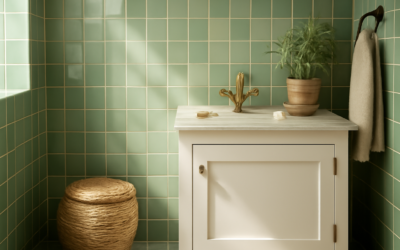
Sage green has quietly become the most-requested bathroom paint color of the decade, and it’s not a passing trend. A well-executed sage bathroom reads as calm without feeling cold, organic without leaning rustic, and works with finishes ranging from polished brass to matte black. The trick is picking the right shade — there are at least a dozen “sage” paints on the market, and the gap between a perfect choice and a swampy disaster is sometimes a single undertone.
Part of our Bathroom Remodeling & Flooring guide — explore the full guide →
What Sage Actually Looks Like in a Bathroom
True sage falls into the gray-green family with a soft, dusty undertone borrowed from the herb’s silvery leaves. It sits between olive (which leans yellow) and seafoam (which leans blue). The reason sage works so well in bathrooms is that the gray base prevents the green from going neon under cool LED lighting — a problem that ruins many lighter or yellower greens.
Bathroom lighting matters more than the paint chip. North-facing bathrooms with cool natural light push sage toward gray and can make it feel cold. South-facing rooms with warm afternoon sun bring out the green and can flatten sage into something closer to mint. Always sample paint on at least two walls and view it at three different times of day before committing.
The Best Sage Paint Colors by Brand
Five sage paints have become near-universal recommendations among interior designers. Each pulls slightly differently in low light, so match the choice to your room’s exposure.
- Farrow & Ball Card Room Green (No. 79): Deep, slightly blue-leaning sage. Works in bathrooms with strong natural light.
- Sherwin-Williams Evergreen Fog (SW 9130): The 2022 Color of the Year. Soft, warm, and forgiving in any light.
- Benjamin Moore Saybrook Sage (HC-114): Classic gray-green, leans slightly cool. Pairs beautifully with white marble.
- Behr Sage Green Light (S380-3): Lighter, more accessible price point. Best in small powder rooms.
- Clare Sea Salt: Pale, almost ghostly sage. Reads as a soft greige in low light.
For a half-bath or powder room, deeper sages like Card Room Green look intentional and dramatic. For a primary bath where you spend long mornings, lighter sages like Saybrook or Sea Salt feel less heavy.
Tile Pairings That Make Sage Sing
Sage is one of the rare bathroom colors that pairs equally well with warm and cool finishes, but the pairings that consistently photograph well in design portfolios share a quality of restraint.
Carrara or Calacatta marble (or quality porcelain look-alikes) creates the most timeless backdrop. The cool gray veining echoes the gray base of sage, while the white quiets the room. Subway tile in a creamy off-white like SW Alabaster works for budget builds. Zellige tile in unglazed terracotta or warm white adds artisanal texture without competing with the wall color.
Skip pure bright white tile if your sage leans cool — the contrast is too sharp and the room feels clinical. Go with a slightly creamy white instead.
Vanity and Cabinet Choices
The vanity is where most sage bathrooms succeed or fail. Three approaches work consistently:
- Match the wall: Paint the vanity the same sage as the walls. Creates a moody, enveloping look. Best in small spaces.
- White oak or quarter-sawn oak: The grain pattern picks up the warm undertone in sage and grounds the room.
- Creamy white painted vanity: Brings light to the room without the harshness of pure white.
Avoid dark walnut and espresso wood with sage walls. The contrast skews too heavy and dates the room. Modern, lighter, more weathered finishes are the current direction.
Hardware and Fixture Finishes
Sage gives you more flexibility than almost any other wall color when it comes to metals. Three combinations consistently work:
- Unlacquered brass: Warm and elegant. Develops a natural patina over time. Best with deeper sages.
- Matte black: Modern, graphic, easy to maintain. Pairs especially well with lighter sages.
- Polished nickel: Timeless and slightly cool. Photographs well alongside marble and creamy whites.
Avoid bright chrome on cooler sages — the combination can feel dated. Skip rose gold; the pink undertone fights the green.
Lighting That Flatters Sage Walls
Color temperature matters as much as fixture style. Aim for 2700K to 3000K bulbs in vanity sconces and overhead fixtures. Anything cooler than 3000K shifts sage toward gray; anything warmer than 2700K turns it muddy.
Sconces flanking the mirror at 60 to 65 inches off the floor produce the most flattering face light. A small overhead fixture in matte black or brass adds visual punctuation. In windowless bathrooms, double the typical lumen budget — 1,200 lumens minimum at the vanity to prevent the sage from feeling muddy under low light.
Accessories That Layer Without Cluttering
The decor in a sage bathroom should look incidental, not styled. Cream or natural linen towels, an unglazed terracotta planter with a trailing pothos, and a small framed botanical print add warmth and texture. Skip oversized florals and busy patterns — sage already provides quiet visual interest, and competing patterns make the room feel busy.
For a small primary bath under 60 square feet, limit accent objects to three: a soap dish, a towel set, and a single plant or piece of art. The restraint reads as intentional and lets the wall color carry the room.
Frequently Asked Questions
Does sage make a small bathroom feel smaller?
Not necessarily. Lighter sages with high LRV (light reflectance value above 60) actually feel airy. Deeper sages can shrink a room visually but create a jewel-box effect that feels intentional, especially in a powder room.
What flooring works best with sage walls?
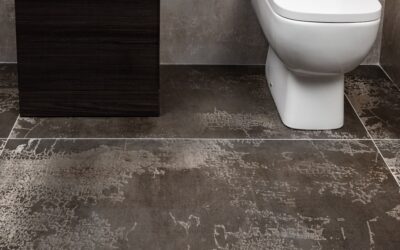
Warm-toned wood-look porcelain, natural marble, or large-format limestone all pair beautifully. Avoid orange-toned woods like red oak; cooler whites and warm grays work best.
Is sage too trendy to use in a bathroom remodel?
Sage has appeared in design history every decade since the 1920s and ages remarkably well. Stick with classic, slightly grayed sage rather than neon or chartreuse-leaning shades, and the room will look intentional in 15 years.
Can I use sage in a bathroom with no natural light?
Yes, but pick a warmer sage like SW Evergreen Fog and pair it with 2700K bulbs. Cooler sages need natural light to look right.