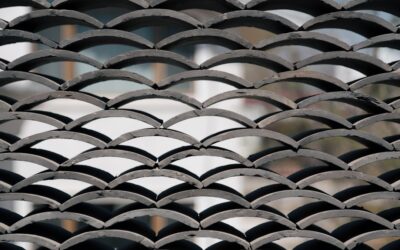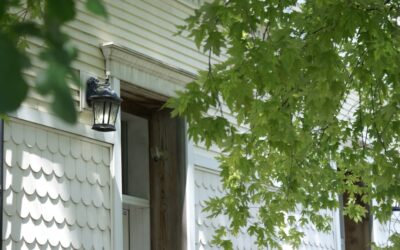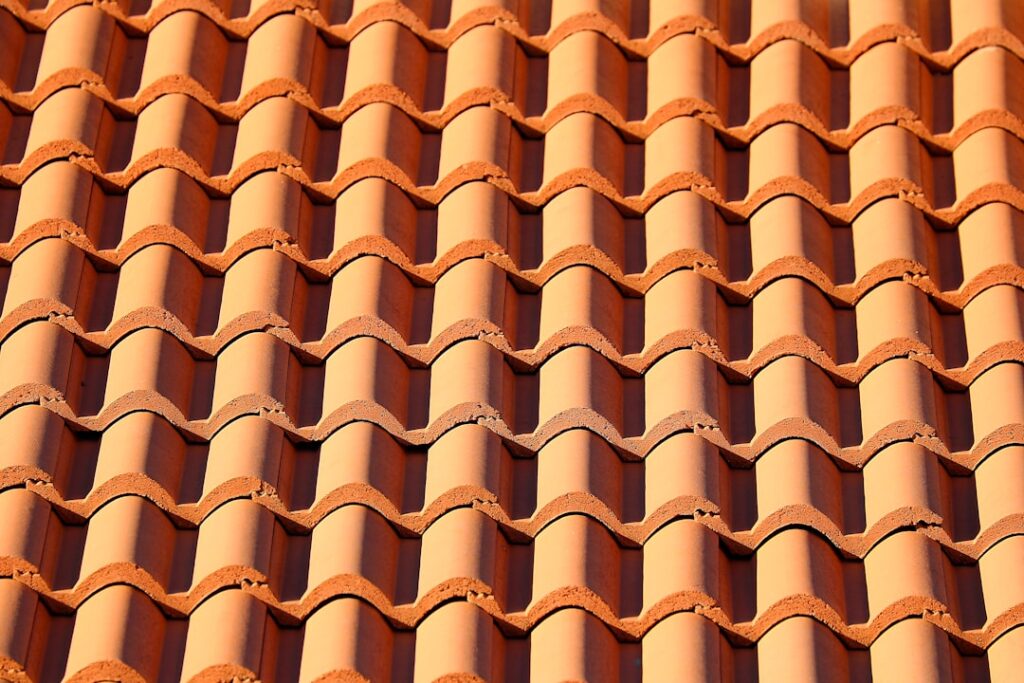
After a decade of straight-edged subway tile, the design world went looking for softness, and it found it in a curve. Scalloped tile, also called fish scale, mermaid, or fan tile, replaces hard rectangular lines with rounded, overlapping shapes that add movement and vintage charm to any wall. The rounded silhouettes catch light differently across the surface, so a single glaze color reads with depth and dimension you simply cannot get from a flat grid. It is playful without being trendy to the point of regret, and it works everywhere from a powder-room backsplash to a full shower wall. Here is how to choose and use it.
Part of our Tile & Grout guide — explore the full guide →
What Scalloped Tile Is
Scalloped tile is any tile with a curved, rounded edge that creates an overlapping, scale-like or fan-shaped pattern when installed. The most common form is the fish scale, a tile shaped like a rounded fan that nests into the row above and below it. When laid, the repeating curves form the distinctive pattern that resembles fish scales, mermaid tails, or a Japanese fan.
The shape has deep roots in design history, appearing in art deco and mid-century interiors, which is part of why it reads as both retro and fresh today. It comes in ceramic, porcelain, and glass, in sizes ranging from tiny mosaic scales on a mesh backing to large individual fan tiles several inches across.
Where Scalloped Tile Looks Best
The curved pattern shines as a focal point rather than a background, so choose spots where it can be seen and appreciated. Proven applications include:
- Kitchen backsplashes, where it softens the hard lines of cabinets and counters.
- Shower walls and tub surrounds, especially as a full accent wall.
- Powder rooms, where a small space can carry a bold, textured wall.
- Fireplace surrounds and feature walls that call for a decorative moment.
- Bathroom vanity backsplashes as a subtle detail.
Because the shape is busy on its own, it works best as an accent or a single feature surface rather than covering every wall in a room.
Color and Finish Choices
The glaze finish transforms how the scallops read. A glossy finish makes each rounded tile catch and reflect light, emphasizing the dimensional, scale-like effect and adding a jewel-box quality; it is the classic choice for a statement wall. A matte finish gives a softer, more contemporary and understated look that hides water spots better.
For color, soft neutrals like white, cream, and pale gray keep the focus on the shape itself and stay timeless. Bold jewel tones like emerald green, deep blue, and blush pink lean into the playful, decorative nature of the tile. Hand-glazed and variegated tiles, where the color shifts slightly tile to tile, add extra depth and a handmade, artisanal feel.
Layout Options
How you orient the scallops changes the whole effect. The traditional layout points the rounded edges downward so the pattern reads as classic fish scales cascading down the wall. Flip them so the curves point up and you get a fan or peacock feel that draws the eye skyward.
You can also run the tiles in vertical columns or in a staggered brick-style offset for subtle variation. Many scalloped tiles come pre-mounted on mesh sheets that lock the pattern in place, which makes keeping the curves aligned far easier. If you are using individual larger fan tiles, dry-lay a section first to confirm your spacing and orientation before committing thinset to the wall.
What Scalloped Tile Costs
Pricing spans a wide range depending on material and whether the tile is machine-made or handcrafted. Basic ceramic scalloped mosaic sheets start around $8 to $15 per square foot, mid-range porcelain and glass run $15 to $30, and handmade or artisan zellige-style scallops can reach $30 to $50-plus per square foot.
Installation typically adds $10 to $25 per square foot, and here is the catch with curved tile: the irregular edges and tighter alignment make it more labor-intensive than straight subway tile, so labor sits at the higher end. A small backsplash might total $300 to $800, while a full shower feature wall can run $1,500 to $3,500 installed.
Installation Tips and Considerations
Scalloped tile is more demanding to install than a simple grid, so plan for extra time and patience. The curved edges mean cuts around outlets, edges, and corners require careful nibbling with tile nippers or a wet saw, and keeping grout lines even around the curves takes a steady hand.
A few field pointers: use a white or light thinset with light-colored and glass tiles so it does not show through, choose a grout color deliberately since a contrasting grout emphasizes each individual scale while a matching grout blends them into a seamless field, and start from a level center line rather than a wall so any cut tiles land symmetrically at the edges. Because of the alignment challenge, mesh-mounted sheets are the friendlier option for a first-time DIYer, while large individual fan tiles are best left to an experienced setter. Done right, scalloped tile delivers a soft, dimensional wall that becomes the thing every guest comments on.
Cleaning and Maintaining Scalloped Tile
The same curves that make this tile beautiful create a few more grout lines and edges than flat tile, so keep maintenance simple by choosing the right materials up front. Glazed ceramic and porcelain scallops wipe clean with a soft cloth and a mild, pH-neutral cleaner; avoid abrasive pads and harsh acidic products that dull a glaze over time.
Grout is the main upkeep point, especially in a shower where soap scum and hard water collect. Seal cement-based grout after installation and reseal it periodically, or specify a urethane grout that never needs sealing and resists mold and staining. For a glossy tile, a quick buff with a microfiber cloth removes water spots and keeps the dimensional shine that makes the pattern pop. In a wet area, run an exhaust fan and squeegee the tile to slow buildup between deeper cleanings.
Is Scalloped Tile Right for Your Space?
Scalloped tile is the right call when you want a wall that reads as intentional and decorative rather than a plain backdrop, and when you are willing to spend a little more on labor for the alignment work. It shines in small spaces that can carry a bold statement, and as a single feature wall in larger rooms. The soft curves also work well in homes leaning vintage, coastal, cottage, or transitional.
It is a less natural fit if your style is strictly minimalist and linear, or if you need the most budget-friendly, fast-install option, in which case straight subway tile still wins. Consider your long-term taste too; while scallops have vintage staying power, a very bold color amplifies the commitment. The safe play many homeowners choose is a soft neutral scallop, which delivers the dimensional texture and charm while staying flexible enough to live with for years. Order 10 to 15 percent extra tile to cover cuts and breakage, dry-lay your pattern first, and you will end up with a surface that feels custom and gets noticed for all the right reasons.
Prefer to explore on your own?
See how new flooring looks in your actual room in seconds — free, no signup.
Try the free Floor Studio →