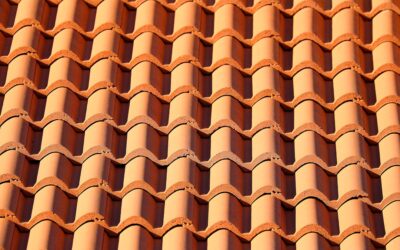
After years of straight-edged subway tile dominating every kitchen, homeowners are craving softness and personality again, and nothing delivers that quite like curved tile. A scalloped backsplash uses fan-shaped, fish-scale, or mermaid tiles to create a repeating pattern of gentle arcs that adds movement, vintage charm, and a handmade feel to a kitchen or bathroom. The scalloped look, sometimes called fish scale, mermaid, or fan tile, breaks up the rectilinear lines of cabinets and counters with organic curves that feel both retro and current. It is a design-forward choice that turns a backsplash from a functional afterthought into the focal point of the room.
Part of our Kitchen Remodeling guide — explore the full guide →
Here is everything to know about the tile shapes, patterns, colors, cost, and installation before you commit to the curves.
What Counts as a Scalloped Tile
The scalloped family covers a few related shapes, all built around a curved edge. The most common is the fish-scale or mermaid tile, a rounded top on a narrower base that overlaps like scales. Fan-shaped tiles create a repeating peacock or scallop pattern, and half-moon and arch tiles produce bolder, larger curves.
All of these share the same visual effect, replacing hard 90-degree lines with soft arcs. The scale of the tile changes the mood dramatically: small fish-scale reads delicate and intricate, while large fan or arch tiles make a graphic, contemporary statement.
Why Choose a Scalloped Backsplash
Beyond looks, the scalloped shape offers real design advantages. It adds texture and interest to a plain wall without needing bold color, so even a white scalloped backsplash feels custom. The curves soften a kitchen full of straight lines, cabinets, counters, appliances, giving the eye a place to relax.
It also photographs beautifully and reads as a thoughtful, designer choice rather than a builder-grade default. For homeowners who want their kitchen to feel personal and a little unexpected, the scalloped backsplash delivers character that standard rectangular tile simply cannot.
Color and Finish Options
Scalloped tiles come in a huge range of colors and glazes, and the finish you choose sets the whole tone.
- Glossy white or cream: Clean and timeless; the shape provides all the interest.
- Soft pastels: Blush, sage green, and pale blue lean cottage and vintage.
- Jewel tones: Deep green, navy, and teal make a rich, dramatic statement.
- Handmade zellige-style glazes: Variegated color and glossy irregularity add old-world depth.
A glossy or hand-glazed finish plays up the curves by catching light along each arc, which is a big part of the scalloped tile’s appeal. Matte finishes read more modern and understated.
Layout and Orientation
How you orient the tiles changes the look completely. The classic orientation points the rounded edges upward like scales climbing the wall, which reads soft and traditional. Flipping them so the curves point down creates a subtly different rhythm, and turning fan tiles sideways produces a peacock or wave effect.
Because scalloped tiles interlock in a specific way, dry-lay several rows before setting anything to confirm the pattern and plan your edges. The curved shapes make the terminations at cabinets, windows, and the countertop trickier than straight tile, so decide in advance whether you will end on a full scallop, use a trim piece, or run the tile to a clean edge.
Cost Expectations
Scalloped tile generally costs a bit more than plain subway, both for materials and labor, because the shapes are more specialized and the installation is more intricate. Here is a realistic range:
- Budget ceramic scalloped tile: $5 to $10 per square foot.
- Mid-range and porcelain: $10 to $20 per square foot.
- Handmade zellige-style scalloped: $20 to $40-plus per square foot.
Installation runs $10 to $20 per square foot, higher than subway tile because the curved edges and pattern alignment take more time. A typical kitchen backsplash of 30 square feet lands somewhere between $600 and $1,800 all-in depending on tile choice.
Installation Considerations
Scalloped tile is more demanding to install than a straight grid, so a steady hand and patience matter. The curved edges mean grout lines follow the arcs, and any misalignment is more visible than with rectangular tile. Use tile spacers designed for the shape, or the built-in lugs many scalloped tiles include, to keep spacing consistent.
Cutting curved tile around outlets and edges requires care, a wet saw for straight cuts and nippers or an angle grinder for the curves. Because the shape is unforgiving, this is one backsplash where hiring an experienced tile setter often pays off unless you are a confident DIYer.
Grout Choices That Make or Break the Look
Grout color dramatically changes a scalloped backsplash. A matching grout, white grout with white tile, lets the shape read as subtle texture, sophisticated and calm. A contrasting grout, say a soft gray or charcoal against white tile, emphasizes every curve and turns the pattern into a bold graphic feature.
For a kitchen backsplash, use a stain-resistant urethane or epoxy grout so grease and food splatter wipe away without staining. Given the many grout lines a scalloped pattern creates, a grout that resists discoloration is worth the small premium to keep the wall looking crisp.
Where to Use a Scalloped Backsplash
While the kitchen behind a range is the classic spot, the scalloped look earns its keep in several places around the house. Behind a bathroom vanity, a soft blush or seafoam scalloped backsplash adds a spa-like, boutique-hotel feel that a plain tile cannot match. A powder room is a low-stakes, high-impact place to try a bold jewel-tone scallop, since the small square footage keeps the cost modest and the drama high.
Consider the scale of the room when you commit. In a compact galley kitchen, a small fish-scale pattern in a single soft color keeps the space from feeling busy, while a large open kitchen can carry a bigger fan tile or a bolder color as a genuine focal wall. A full-height scalloped backsplash running to the underside of the upper cabinets, or all the way to a hood, makes the strongest statement; a standard 4-inch strip above the counter reads more subtle. Match the ambition of the tile to how much of a centerpiece you want the wall to be.
Is a Scalloped Backsplash Right for You?
A scalloped backsplash is a stylish, character-rich alternative to the straight-lined tile that dominates most kitchens. Choose your scale, delicate fish-scale or bold fans, based on the statement you want, pick a glossy or handmade finish to play up the curves, and think through the layout and edges before you start. Budget for slightly higher material and labor costs, use a stain-resistant grout, and consider a pro for the trickier cuts. Get it right and the soft curves become the detail everyone notices and remembers about your kitchen. Order roughly 15 percent extra tile to cover the curved cuts and breakage, which run higher than with straight tile, and keep a few spare pieces on hand for future repairs, since a distinctive scalloped shape and glaze can be discontinued and nearly impossible to match a couple of years down the road.