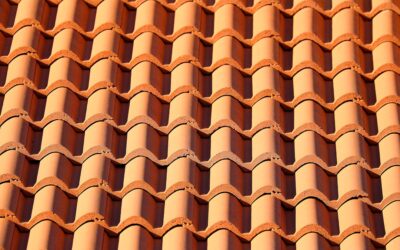
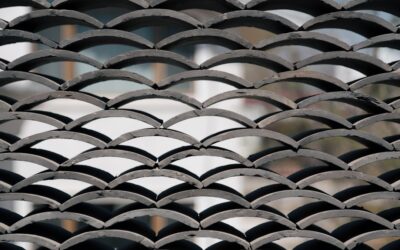
Straight lines and grids have ruled tile floors for so long that a curved, overlapping pattern feels genuinely fresh the moment you walk in on it. A scalloped tile floor, sometimes called fish-scale, mermaid, or fan tile, uses rounded tiles that overlap in arcs to create a soft, undulating rhythm underfoot. It’s a look pulled straight from Art Deco bathrooms and Mediterranean courtyards, and it’s having a strong revival in powder rooms, shower floors, and statement entryways. Before you commit, though, it helps to know both the charm and the challenges, because scalloped tile is more demanding to buy, budget for, and install than a standard square.
Part of our Tile & Grout guide — explore the full guide →
What Exactly Is Scalloped Tile?
Scalloped tile refers to tiles with a curved profile, usually one rounded edge, arranged so each row overlaps the one below like fish scales or roof shingles. The most common variations are fish-scale (mermaid) tiles, which look like a fanned deck of rounded scales, and fan or scallop-shaped tiles that create interlocking half-circles. They come in ceramic, porcelain, and glass, and in a wide range of sizes, from tiny mosaic sheets to hand-sized individual pieces. The pattern is inherently decorative, so it’s most often used as a focal surface rather than wall-to-wall across a whole house.
The Pros of a Scalloped Floor
The appeal goes beyond looks. Here’s what draws people to the style:
- Distinctive character: few floors read as custom and intentional the way a scalloped pattern does
- Vintage authenticity: it suits period homes, Deco baths, and cottage kitchens without feeling like a costume
- Visual softness: the curves break up the boxy geometry of most rooms
- Hides minor imperfections: the busy pattern and grout lines disguise everyday dirt better than a large plain tile
In a small powder room, a scalloped floor can carry the entire design, letting you keep the walls and fixtures simple.
The Cons to Consider
The same qualities that make it beautiful make it fussier. Curved tiles mean more grout lines, and more grout means more cleaning and sealing. The pattern can overwhelm a large room, which is why it works best in defined, smaller spaces. Installation is slower and less forgiving than laying squares, so labor costs run higher. And because the tiles are specialty items, they cost more per square foot and can be harder to source and color-match for future repairs. If you crave a calm, minimalist look, scalloped tile will fight you.
Best Places to Use It
Scalloped floors reward restraint in placement. The classic homes for this pattern are powder rooms, where the small footprint keeps cost and labor reasonable and the drama pays off; shower floors, where small scalloped mosaics conform to the slope and add traction; and entryways or mudrooms, where a defined patch of pattern greets guests. Some homeowners use it as an inset “rug” in the center of a plain-tiled kitchen or bath, framing the scallops with a border of simple field tile. As a whole-house floor it’s usually too much of a good thing.
What It Costs
Expect to pay a premium over standard tile. Scalloped ceramic and porcelain typically run $8 to $20 per square foot for material, with handmade or specialty glazed versions climbing higher. Because the tiles are irregular and slow to set, installation labor often runs $12 to $25 per square foot, more than a plain square floor. For a 40-square-foot powder room, budget roughly $800 to $1,800 all in, depending on the tile you choose and your local labor rates. Order 15% to 20% extra to cover cuts and future repairs, since matching later can be difficult.
Installation Tips
Scalloped tile demands careful layout. Many products come face-mounted or on mesh-backed sheets to speed installation, but you’ll still spend real time aligning the curves so the pattern flows continuously across the floor. Snap center lines and dry-lay before spreading thinset, and plan cuts at the perimeter so the eye lands on full scallops in the visible field. Use a wet saw with a diamond blade for clean curved cuts, and expect more edge cuts than a grid pattern produces. Keep grout joints uniform, and choose grout color deliberately, a matching grout softens the pattern while a contrasting grout makes each scallop pop.
Grout, Sealing, and Upkeep
Because there’s so much grout in a scalloped floor, sealing it well is essential. Use a quality grout and apply a penetrating grout sealer once it cures, then reapply periodically to keep the lines from graying. In a shower, the extra grout means extra vigilance against mildew, so keep the area ventilated and clean it with a pH-neutral cleaner rather than harsh acids that can etch certain tiles. If you seal and maintain the grout, the floor stays as crisp as the day it went in.
Choosing the Right Material and Size
Scallops come in ceramic, porcelain, glass, and natural stone, and the choice matters more on a floor than a wall. Porcelain is the workhorse: it’s dense, rated for floor traffic, and available in through-body colors that hide chips. Glazed ceramic scallops work in low-traffic powder rooms but can show wear on their glaze in busy areas. Skip glass scallops on a walking surface, they’re stunning as a shower accent but too slick and scratch-prone underfoot. Size drives the mood: small fish-scale mosaics roughly 1 to 2 inches across read fine and jewel-like and conform to a sloped shower base, while hand-sized 4-inch or larger scallops make a bolder, more graphic statement in an entry. Check the DCOF slip rating on any floor tile, aim for 0.42 or higher, and lean toward matte finishes in wet zones.
Color and Pattern Strategies
The scallop shape is busy on its own, so let color do less work. A single soft hue, sage green, dusty blush, warm white, keeps the pattern from feeling frantic and lets the curves carry the room. If you want more drama, an ombre layout that fades from dark scallops at the base to lighter ones as it climbs a shower wall is a classic fish-scale move, but it demands careful pre-sorting of tiles before you set them. Contrasting grout turns each scallop into a crisp outlined shape; matching grout melts them into a soft, continuous texture. For a floor, matching or slightly darker grout hides traffic patterns better than a bright white that will gray in the joints within a year. One more tip from experience: buy a physical sample and lay a few pieces on the actual floor before you order, because the way scallops nest and the direction they fan can look very different in a real room than on a showroom board.
A scalloped tile floor is a design choice, not a default, and that’s exactly its strength. Use it where its vintage, curvy character can shine, in a compact bath, a shower base, or a framed inset, budget for the higher material and labor costs, and stay on top of grout maintenance. Do that, and you’ll have a floor with genuine personality that neighbors and guests notice the second they step inside.
Prefer to explore on your own?
See how new flooring looks in your actual room in seconds — free, no signup.
Try the free Floor Studio →