For the roughly 21 million American households that rely on septic systems, regular pumping is not optional, and the typical septic tank cleaning cost ranges from $300 to $600 for a standard residential tank. While that number is the national average, the final figure on your invoice can swing well below or above it depending on tank size, location, and how long you have waited between cleanings. Understanding what shapes the price helps you budget wisely and avoid the far steeper expense of a failed drain field, which can run $10,000 or more to replace.
What Septic Tank Cleaning Actually Involves
Many homeowners confuse cleaning with pumping, but the terms describe slightly different services. Pumping removes the liquid effluent and floating scum from the tank. Cleaning goes further, removing the compacted sludge at the bottom and often rinsing the tank walls so the technician can inspect for cracks and leaks. A thorough cleaning empties the tank completely, which is why it sometimes costs a little more than a basic pump-out.
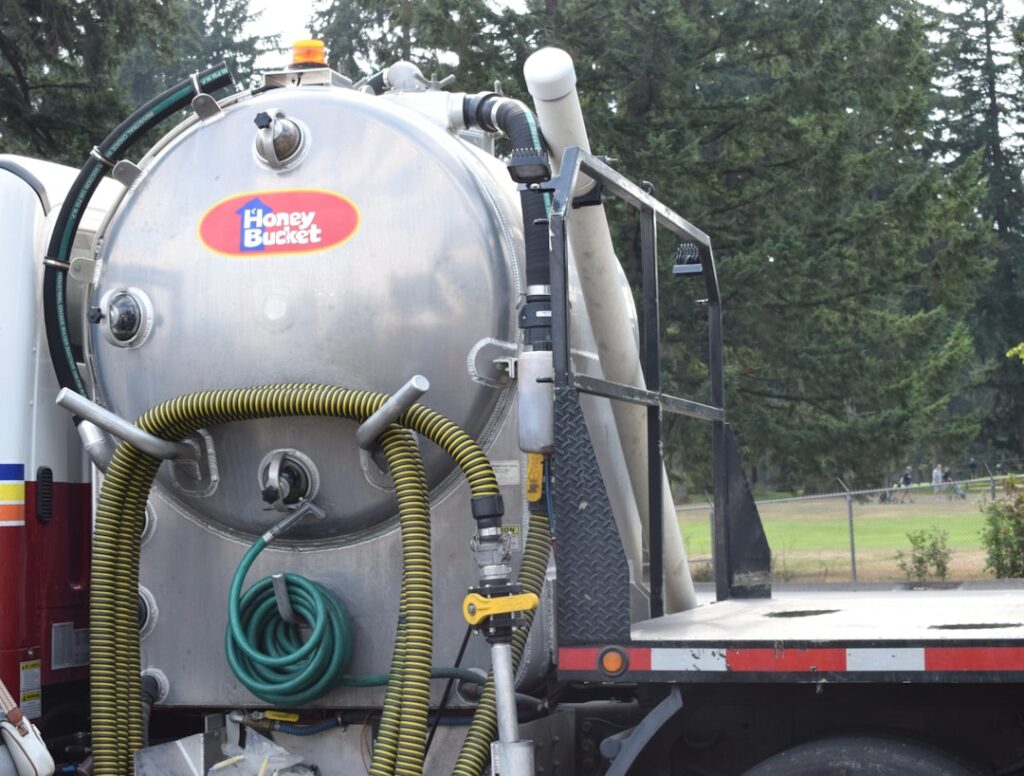
During a typical visit, a technician locates and uncovers the access lids, inserts a large vacuum hose connected to a pumper truck, and extracts the contents. The whole process usually takes 30 to 60 minutes for a residential system. The collected waste is then transported to an approved treatment facility, and the disposal fee is baked into your total cost.
Average Septic Tank Cleaning Cost by Tank Size
Tank capacity is the single biggest driver of price because larger tanks hold more waste and take longer to empty. Here is how costs generally break down:
- 750 to 1,000 gallons: $250 to $400, common for smaller homes and older properties.
- 1,250 to 1,500 gallons: $350 to $600, the most common size for a three- to four-bedroom home.
- 2,000 gallons and up: $500 to $1,000, typical for large households or properties with multiple bathrooms.
Commercial systems and tanks serving multiple units can climb to $1,200 or more. If your tank has not been pumped in many years, the hardened sludge may require extra labor, pushing your bill toward the high end.
Factors That Raise or Lower Your Bill
Beyond raw capacity, several variables influence the final number:
- Accessibility: If the access lids are buried, your technician charges extra to dig them out. Risers installed at ground level eliminate this and save money on every future visit.
- Geographic location: Labor and disposal fees vary widely. Rural areas with few service providers and dense urban regions both tend to run higher.
- Sludge level: A tank that is overdue takes longer to clean and may need water added to break up solids.
- Inspection add-ons: A full inspection of baffles, the drain field, and the tank structure may add $100 to $250.
- Emergency service: A backed-up system on a holiday weekend can cost two to three times the standard rate.
- Distance to disposal site: Longer hauls to the nearest approved facility increase fuel and time charges.
How Often Should You Clean a Septic Tank
The Environmental Protection Agency recommends inspecting most systems every three years and pumping every three to five years. The exact interval depends on four things: tank size, total household size, the amount of wastewater generated, and the volume of solids in that wastewater. A single person with a large tank might stretch to five years, while a family of six with a smaller tank may need service every two years.
Skipping this maintenance is a false economy. When solids overflow into the drain field, they clog the soil and the entire field can fail. Replacing a drain field costs many times more than decades of routine pumping, so the modest recurring septic tank cleaning cost is one of the best investments a rural homeowner can make.
Signs Your Tank Needs Cleaning Now
Do not wait for the calendar if you notice any of these warning signs:
- Slow drains throughout the house that persist after clearing local clogs.
- Gurgling sounds in the plumbing.
- Sewage odors near the tank or drain field.
- Unusually lush, green grass over the drain field.
- Standing water or soggy soil above the system.
- Sewage backing up into the lowest drains in your home.
A backup is a plumbing emergency that can damage flooring, baseboards, and subfloor. At D and G Flooring, we have seen how a single sewage overflow can ruin an entire room of finished flooring, so heeding these early signals protects your home well beyond the septic system itself.
Ways to Save on Septic Maintenance
You can keep long-term costs down with a few smart practices:
- Install risers so technicians never have to dig, saving $50 to $150 per visit.
- Schedule routine service rather than waiting for emergencies, which carry premium pricing.
- Conserve water with efficient fixtures to slow how quickly the tank fills.
- Avoid flushing grease, wipes, and non-degradable items that accelerate sludge buildup.
- Get multiple quotes from licensed local providers, since prices for the same job can vary by hundreds of dollars.
- Keep records of every pump-out so you can predict the ideal interval and avoid unnecessary visits.
Budgeting for the Long Haul
For most homeowners, setting aside a small amount each year covers septic maintenance painlessly. If you pump every three years at an average cost of $450, that works out to roughly $150 annually. Add a modest cushion for inspections and the occasional repair, and a yearly budget of $200 to $300 keeps you comfortably ahead of any surprise. Compared with the catastrophic cost of a failed system, this is money exceptionally well spent.
Final Thoughts
Septic tank cleaning is a predictable, manageable expense when you plan for it. Expect to pay $300 to $600 for a typical residential job, adjust your expectations for tank size and access, and stick to a regular pumping schedule based on your household’s actual usage. By staying proactive, you protect your drain field, your home’s flooring and structure, and your wallet from the far larger bills that come with neglect.