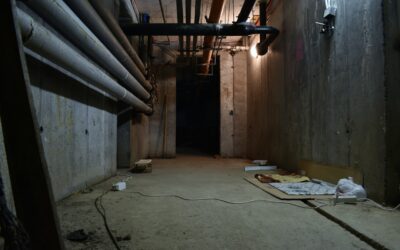
That round, grated opening in your basement floor is doing more work than you think. A sewer drain in basement spaces serves two jobs at once: it carries away water from appliances and any flooding, and it ties your lowest level into the home’s main sewer line. When it works, you never notice it. When it backs up, you get dirty water spreading across the slab and a smell that announces the problem before you reach the stairs. Understanding how this system functions is the difference between a quick fix and a four-figure cleanup.
What the Basement Drain Actually Connects To
Most basements have a floor drain set at the lowest point of the slab, usually near the water heater or laundry area. It feeds into the home’s main drain line, which then flows out to the municipal sewer or a septic tank. Nearby you will often find a sewer cleanout: a capped pipe, typically 3 or 4 inches across, that gives plumbers direct access to the main line for snaking and inspection.
The floor drain has a built-in trap, a curved section of pipe that holds a small pool of water. That water seal blocks sewer gas from rising into your living space. If a basement starts smelling like rotten eggs or sulfur, the trap has often dried out, especially in drains that rarely see water. Pouring a quart of water down it once a month keeps the seal intact.
Why Basement Drains Back Up
Because the basement sits at the bottom of the house, it is the first place wastewater reappears when the main line is blocked. Everything draining from the kitchen, bathrooms, and laundry above has to pass that low point, so a clog downstream pushes water back up through the path of least resistance, which is your floor drain.
Common culprits include:
- Tree roots infiltrating older clay or cast-iron sewer pipes, which is the leading cause of recurring main-line clogs.
- Grease and food waste that congeal inside the line over months of kitchen use.
- Flushable wipes (which are not truly flushable), paper towels, and feminine products that snag and accumulate.
- Collapsed or bellied pipes where the line has sagged or cracked, trapping debris.
- Municipal main overload during heavy rain, which can send city sewage backward into homes.
Reading the Warning Signs
A backup rarely arrives without notice. Pay attention to gurgling sounds from the floor drain or toilets when you run the washing machine or flush. That gurgle is air escaping past a partial blockage. Slow drainage in multiple fixtures at once points to a main-line issue rather than a single clogged sink.
Water pooling around the basement drain, a faint sewage odor that returns no matter how much you clean, and toilets that bubble when the tub drains are all early flags. Catching these signs gives you time to clear the line before raw sewage reaches the floor. Ignoring them often leads to a backup at the worst possible moment, like during a holiday with a full house.
The Backwater Valve: Your Best Defense
If your home sits below the level of the street sewer or you live in an area prone to heavy storms, a backwater valve is the single most effective protection against a sewage backup. This device installs into the main sewer line and contains a flap that swings open to let wastewater flow out but snaps shut if water tries to flow back in.
Installation runs roughly $1,500 to $4,000 depending on whether the plumber has to break through the slab to reach the line, but many municipalities offer rebates because backwater valves reduce strain on overwhelmed city systems during floods. Have the valve inspected annually, since debris can keep the flap from sealing. For homeowners who have already suffered one basement backup, this is rarely money wasted.
What You Can Safely Do Yourself
For a minor slowdown limited to the basement drain, start by removing the grate and checking for visible debris, lint, or sediment. A wet/dry vacuum can pull out standing water and loose gunk. Avoid chemical drain cleaners on main lines, as they sit on the clog without clearing it and create a hazard for any plumber who later opens the pipe.
If you own a hand auger or a short drum snake, you can attempt to clear a localized clog through the floor drain or cleanout. Wear waterproof gloves and eye protection, since sewer water carries bacteria. Keep the area ventilated. Realistically, DIY snaking handles soft clogs within the first few feet, but it will not cut through roots or reach a blockage 30 feet down the lateral line.
Routine Maintenance That Prevents Backups
A little upkeep goes a long way toward keeping the system trouble-free. Pour a quart of water into the floor drain monthly to keep the trap’s water seal intact and block sewer gas. Once or twice a year, flush the drain with a bucket of hot water and a flushing of mild cleaner to clear sediment, and lift the grate to remove lint and debris that collect on top.
Be mindful of what goes down every drain in the house, since the basement is where mistakes resurface. Keep grease, coffee grounds, and so-called flushable wipes out of the system entirely. If you have mature trees near the sewer lateral, consider a preventive professional snaking or root treatment every year or two, because roots are the leading cause of recurring main-line clogs. These small habits cost little and head off the messy, expensive backups before they start.
When to Call a Licensed Plumber
Bring in a professional whenever a backup affects multiple fixtures, recurs after you have cleared it, or involves visible sewage on the floor. Plumbers run a motorized sewer snake or hydro-jetter to scour the line, and many will send a camera down the pipe to find the exact location and cause of the blockage. That camera inspection, usually $250 to $500, is worth it for any recurring problem because it tells you whether you are dealing with roots, grease, or a broken pipe that needs excavation.
Treat any sewage on your basement floor as a health hazard. Keep children and pets away, shut off the affected drains, and avoid running water upstairs until the line is clear. If contaminated water covers a large area or soaks into porous materials, a water-damage restoration crew should handle disinfection and drying to prevent mold. A working sewer drain in basement systems should stay quiet and dry, so treat any change in behavior as the early warning it is and act before a small clog becomes a flooded floor.