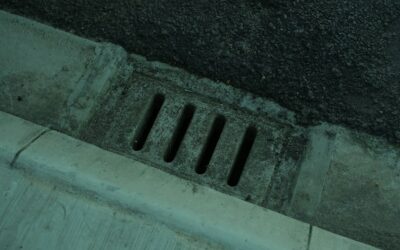
Nobody thinks about a floor drain until water is pooling around the water heater or a musty smell is drifting up from the basement. Then it becomes the most important fixture in the house. A 2 inch floor drain is the standard workhorse for basements, laundry rooms, utility rooms, and garages, sized to move typical incidental water without the cost and disruption of a larger drain. Most of the problems people run into come from misunderstanding the trap, the sizing, or the pipe pitch. This guide covers what a 2 inch drain does, when it is the right size, and how it goes together.
What a 2 Inch Floor Drain Is For
A floor drain is a fixture set flush with the finished floor to collect and carry away standing water. The 2 inch designation refers to the outlet pipe size, and that 2 inch outlet handles the volume you would expect in most residential utility spaces: a leaking appliance, condensate from an HVAC unit, water softener discharge, snowmelt off cars, or the runoff from mopping a floor.
You will find them in basements near the water heater and washer, in laundry rooms, in garages, and in mechanical rooms. The drain body sits below the floor, a strainer grate sits on top, and a trap below holds water to block sewer gas. It is a simple system, but each part has a job, and skipping any one of them causes trouble.
Is 2 Inches the Right Size
Sizing is really about matching flow to the pipe. A 2 inch drain moves a healthy volume for incidental water and is the most common residential choice. Step up or down based on what the space actually handles.
- 2 inch: The default for basements, laundry rooms, and light utility use. Handles appliance leaks, condensate, and mopping water with margin to spare.
- 3 inch: Better for garages that collect heavy snowmelt, or spaces that could see a larger, faster inflow.
- 4 inch: Reserved for commercial and heavy-duty applications with high sustained flow.
For nearly every home, 2 inches is the correct call. Going bigger than the situation requires just costs more and, counterintuitively, can drain so slowly on low flow that the trap water evaporates and lets odors in. Match the drain to the realistic worst-case water event for that room.
Types of 2 Inch Floor Drains
The drain body and grate come in several materials, and the right one depends on the environment. PVC and ABS drain bodies are the most common in modern residential work: inexpensive, corrosion-proof, and easy to solvent-weld to plastic pipe. Cast iron drains are heavier, quieter, and extremely durable, still specified where longevity matters or in older homes.
Grates matter too. A standard round strainer grate is fine for most basements. In a garage or wash-down area, look for a heavier-duty grate rated to carry vehicle or foot loads. Some drains include a removable strainer basket to catch debris, and better models have a cleanout plug that lets you snake the line without pulling the whole assembly.
The Trap and Why It Matters
Every floor drain needs a P-trap, the curved section of pipe below the drain that holds a plug of water. That water seal is the only thing standing between your living space and the sewer gas in the drain line. Without it, or when it dries out, you get that unmistakable rotten-egg smell rising through the grate.
The classic problem with floor drains is trap evaporation. A drain that rarely sees water, common in a basement that stays dry for months, loses its trap seal to evaporation and starts to stink. The simple homeowner fix is to pour a quart of water down the drain every few weeks, and add a couple ounces of mineral oil to slow evaporation. For drains that never get used, plumbers install a trap primer, a small valve that automatically feeds a trickle of water to keep the trap full.
Installing a 2 Inch Floor Drain
New installation in a slab is real work, because it means breaking concrete, so plan carefully. The essentials come down to pitch, connection, and finish height. Run the 2 inch drain line at a minimum slope of 1/4 inch per foot toward the main line so solids and water keep moving; too flat and it clogs, too steep and water outruns the solids.
Set the drain body so the top of the grate sits flush with, or slightly below, the finished floor, and slope the surrounding concrete gently toward the grate over a few feet so water actually finds the drain. Connect the outlet to the trap and then to the branch line with solvent-welded fittings for PVC or ABS, and pressure-test before you pour the patch. Replacing an existing grate or strainer, by contrast, is a five-minute job requiring no plumbing.
Keeping It Clear and Odor-Free
Maintenance is minimal but not optional. Lift the grate a couple of times a year and clear out the lint, hair, and grit that collect in the strainer, since that debris is the number one cause of slow drainage. If water backs up, a small drain snake run through the cleanout usually clears the trap and the first few feet of line.
To fight odors, keep that trap full of water and treat the drain with a quart of water on a regular schedule. Avoid dumping harsh chemical drain cleaners as a routine; they are hard on both cast iron and PVC over time and rarely necessary for a floor drain. If you get persistent sewage smell despite a full trap, have a plumber check the venting, because a poorly vented drain can siphon its own trap dry.
Bottom Line
A 2 inch floor drain is the right, no-nonsense choice for the vast majority of home basements, laundry rooms, and utility spaces. Get the trap, the pitch, and the flush finish height right at installation, keep the strainer clear, and pour water down it periodically, and it will quietly protect your home from water damage and sewer gas for decades without ever asking for attention.
Backwater Valves and Sewer Backup Protection
There is one upgrade worth knowing about, especially if your home sits low or you have ever seen the municipal sewer surcharge during heavy storms. A floor drain is the lowest opening in your drainage system, which makes it the first place sewage backs up into your basement when the main line overloads or clogs. Waking up to two inches of sewage around the water heater is a nightmare that a small device can prevent.
A backwater valve, also called a backflow preventer, installs in the drain line and contains a flap that swings open to let water flow out but snaps shut if water tries to flow back in. Some 2 inch floor drains come with an integrated backwater valve or accept a drop-in float-ball or flapper insert that sits right in the drain body, which is an easy retrofit for an existing drain. A full inline backwater valve on the main line is a bigger job, typically $150 to $400 in parts and often several hundred more installed, and many jurisdictions now require or subsidize them in flood-prone areas.
Whether you need one depends on your risk. If your neighborhood has a history of sewer backups, or your basement floor drain sits below the street level, a backwater valve is cheap insurance against a catastrophic cleanup. Combine it with keeping the drain and trap maintained, and you cover both the everyday water and the rare disaster.
Prefer to explore on your own?
See how new flooring looks in your actual room in seconds — free, no signup.
Try the free Floor Studio →